KEY POINTS
- NUPRC CEO Eyesan urged financial institutions to fund Nigeria’s gas sector more actively and urgently.
- The 2025 licensing round has attracted nearly 300 applications from local and international oil companies.
- Rand Merchant Bank reaffirmed its commitment to Nigeria’s gas sector, citing the OB3 pipeline project.
Nigeria has the gas. What it needs now is the money to get it out of the ground.
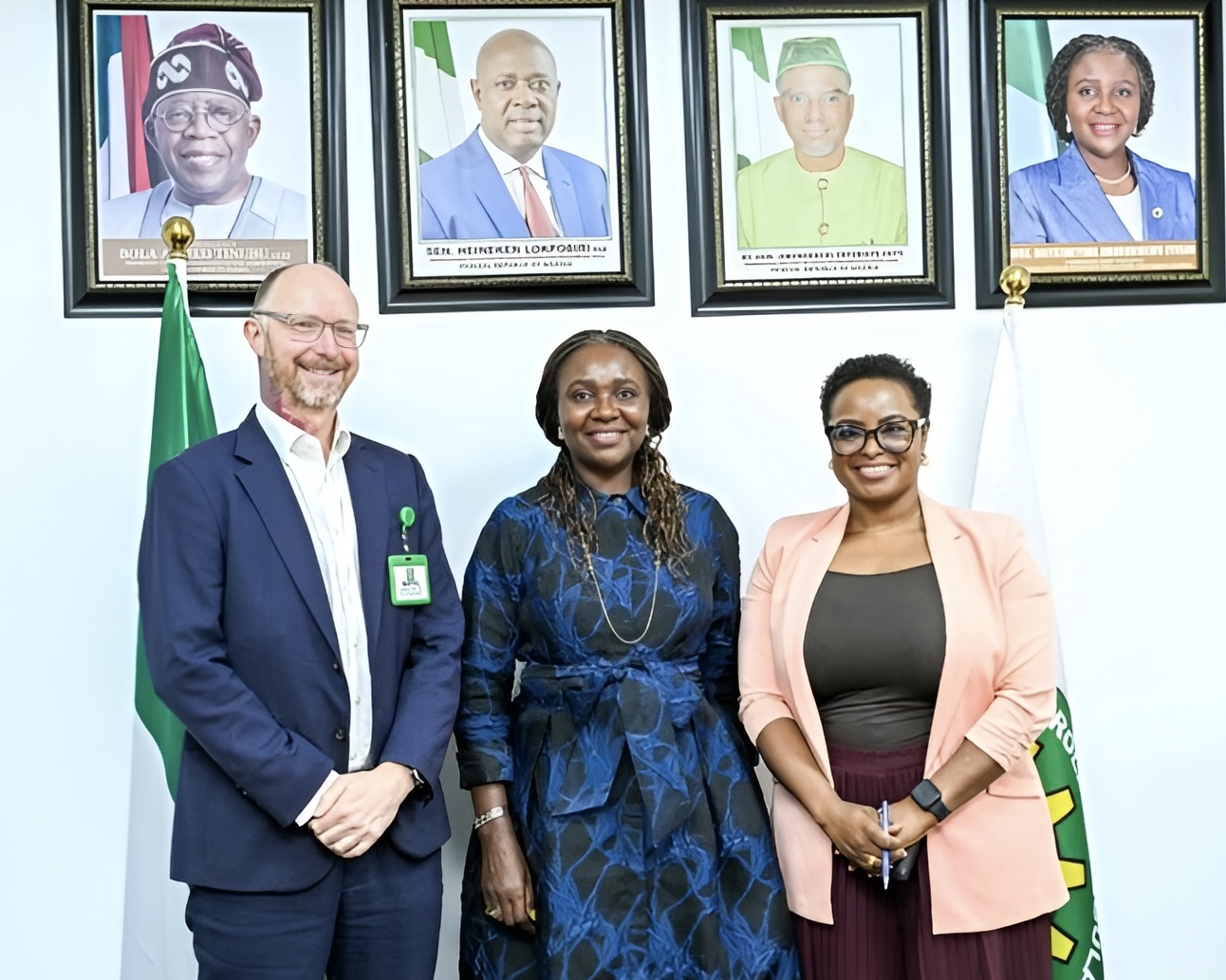
That was the message Oritsemeyiwa Eyesan, chief executive of the Nigerian Upstream Petroleum Regulatory Commission, delivered to senior executives of Rand Merchant Bank during a visit to the commission’s Abuja headquarters this week.
Eyesan was direct. Financial institutions, she said, need to play a more active role in backing operators who want to expand domestic gas production. Regulation alone cannot move the sector. Capital has to show up too.
“Access to financing is a critical factor in achieving the sector’s objectives,” she said. The commission, she added, remains committed to ensuring full compliance with the Petroleum Industry Act and the regulatory frameworks that protect investor interests.
Strong investor signals already coming in
Eyesan did not make the call from a position of weakness. She pointed to the ongoing 2025 licensing bid round as evidence that Nigeria’s upstream sector is already pulling serious attention. Nearly 300 applications have come in from both international oil companies and indigenous operators. That level of interest, she said, reflects sustained investor confidence in what Nigeria’s upstream has to offer.
She also highlighted the commission’s environmental commitments. Permits to access flare gas have been issued to 28 companies, and the commission has set a target of reducing fugitive methane emissions by 60 percent by 2031.
What RMB brought to the table
Rand Merchant Bank’s head of oil and gas coverage, Jonathan Ross, did not come to the meeting without something to say. He confirmed the bank’s commitment to Nigeria’s oil and gas industry and described gas development as a strategic focus area for RMB specifically.
Ross pointed to the OB3 Gas Pipeline as a key piece of infrastructure that can unlock Nigeria’s vast gas resources by connecting supply to demand centers that currently have no access. He also acknowledged that the operating environment has improved. Regulatory reforms and better security conditions in host communities have made Nigeria a more attractive destination compared to previous years, he said.
The meeting reflected a broader pattern in Nigeria’s energy sector: regulators and financiers talking more directly about how to move capital into projects that have sat underfunded despite strong fundamentals.