

KEY POINTS
- Dangote Refinery has begun construction of a second 700,000-barrel-per-day processing unit, which will raise total capacity to about 1.4 million barrels daily by 2028.
- The expansion is expected to strengthen Nigeria’s position as Africa’s leading refining hub, reduce fuel import dependence, and boost refined product exports.
- Industry stakeholders say the project will attract more downstream investments, create jobs, and enhance Africa’s energy security and industrial growth.
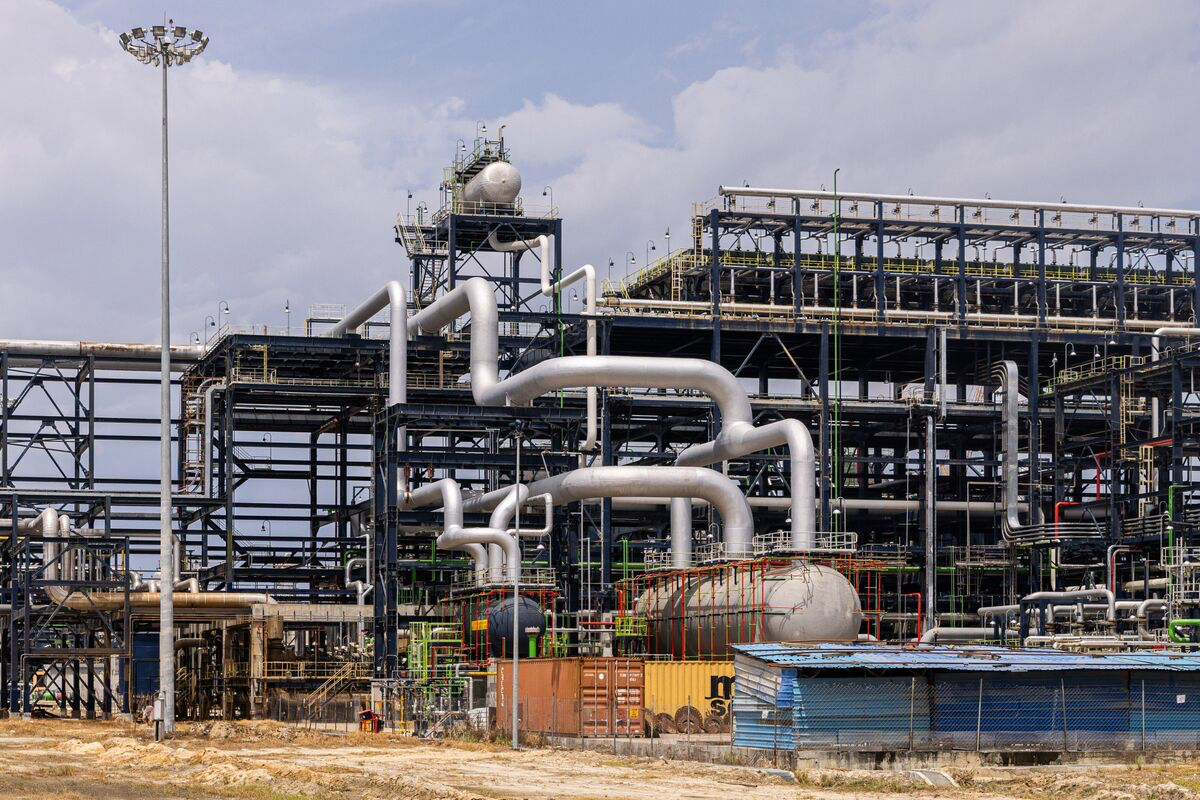
The African Energy Chamber (AEC) has welcomed the commencement of construction on a second crude processing unit at the Dangote Petroleum Refinery, describing the project as a major milestone for Nigeria and the wider African energy sector.
The new 700,000 barrels-per-day (bpd) unit, located within the Lekki Free Zone in Lagos, will nearly double the refinery’s current processing capacity to approximately 1.4 million bpd by 2028. According to the Chamber, the expansion strengthens Nigeria’s emergence as Africa’s leading refining centre and marks a significant shift in the continent’s fuel supply chain.
The project follows the rapid growth of the existing 650,000-bpd refinery, which began processing crude oil in 2024 and reached near-full operational capacity by 2026.
Nigeria Moves Away from Fuel Import Dependence
The AEC noted that the Dangote Refinery has already transformed Nigeria’s fuel market by significantly reducing the country’s reliance on imported petroleum products.
For decades, despite being Africa’s largest crude oil producer, Nigeria depended heavily on imported refined fuel due to inadequate domestic refining infrastructure. However, the operational success of the Dangote Refinery has altered that trend, allowing local production to satisfy a large share of domestic demand.
As a result, imports of petrol, diesel and aviation fuel have fallen considerably, while excess production is increasingly being exported to regional and international markets.
The Chamber believes that the planned expansion will further strengthen Nigeria’s energy independence by ensuring sustained domestic supply and creating larger export surpluses. It added that this could ease pressure on foreign exchange reserves, improve economic stability and reduce the country’s vulnerability to fluctuations in global fuel markets.