KEY POINTS
- ECOWAS Parliament opened a five-day meeting in Dakar on June 15 to tackle West Africa’s energy gap.
- Millions of rural West Africans still lack reliable electricity despite recent regional electrification progress.
- Lawmakers will visit a Senegal renewable energy site to engage directly with communities and entrepreneurs.
Millions of people in rural West Africa still wake up without electricity. This week, the region’s lawmakers are in Senegal to do something about it.
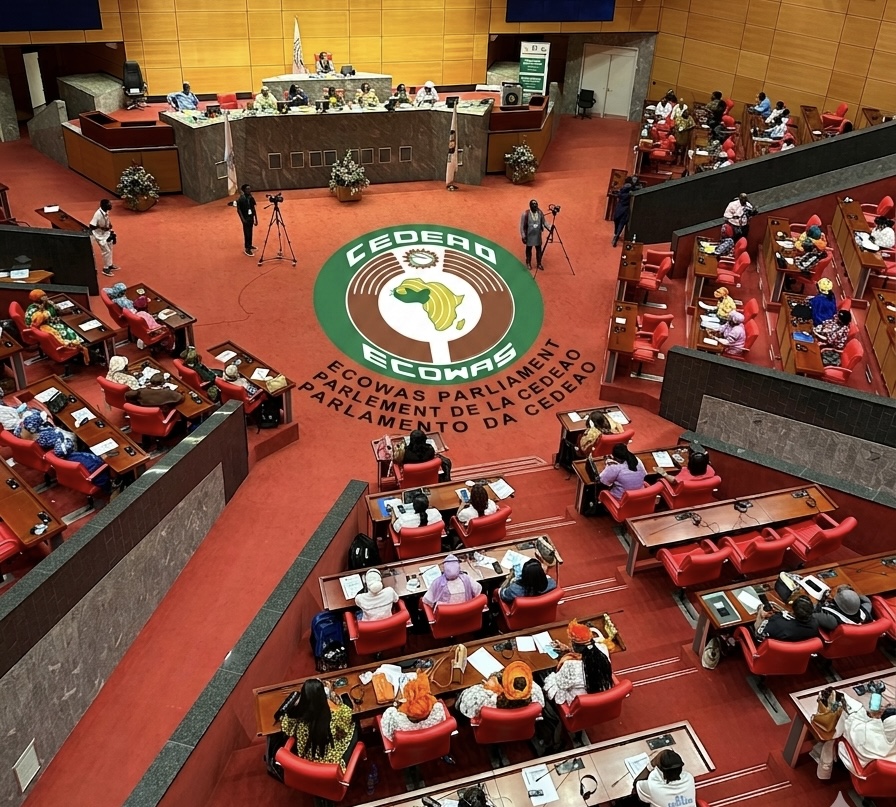
The ECOWAS Parliament opened a five-day delocalized joint committee meeting in Dakar on June 15, bringing together regional parliamentarians, government officials, development partners, private sector actors and energy experts to develop concrete strategies for expanding renewable energy and rural electrification across the 15-member bloc.
The meeting runs through June 19 and is themed “Harnessing Renewable Energy for Rural Electrification and Empowerment of Rural Economies in the ECOWAS Region: The Role of the ECOWAS Parliament.” Three parliamentary committees are driving the discussions: the Joint Committee on Energy and Mines, the Committee on Agriculture, Environment and Natural Resources, and the Committee on Infrastructure.
The session opens at a critical moment. Despite measurable progress in recent years, millions of people in rural West Africa still lack reliable electricity. The knock-on effects touch every sector. Agriculture suffers without irrigation and cold storage. Healthcare systems struggle without power for refrigeration and equipment. Schools cannot run digital classrooms. Economic activity shrinks in communities that go dark after sunset.
What the week’s discussions will focus on
Participants will examine how decentralized renewable energy systems can close the electricity access gap in underserved communities. The specific technologies under discussion include solar mini-grids, hybrid energy systems and stand-alone solar installations. These systems have proven effective in reaching communities that are too remote or too small for traditional grid extension.
ECOWAS has committed to achieving universal access to affordable and sustainable energy by 2030. The parliament’s role in that commitment is the central question of the Dakar meeting. Lawmakers are being asked not just to endorse policies but to exercise stronger oversight of ECOWAS energy programmes and to mobilize investment into renewable infrastructure at scale.
West Africa holds vast untapped solar and hydropower potential. The meeting will assess how that potential can be unlocked faster and how regulatory and financing barriers can be reduced to attract private capital into rural energy markets.
A field visit built into the agenda
The week’s programme includes a field visit to a renewable energy installation in Senegal. Lawmakers will engage directly with beneficiary communities, local entrepreneurs, women and youth who are already living with or working in decentralized energy systems.
At the close of the meeting, members are expected to adopt formal recommendations to reinforce regional rural electrification efforts, mobilize investment in renewable energy infrastructure and strengthen parliamentary oversight of ECOWAS energy policies and programmes. Those recommendations will feed into the bloc’s broader 2030 universal energy access agenda.