KEY POINTS
- TotalEnergies resumed its $20 billion Mozambique LNG project in January 2026 after a five-year suspension.
- Hundreds of displaced farming and fishing families are still waiting for compensation promised since 2014.
- TotalEnergies signed an €8.5 million MoU with Mozambique’s ADIN to fund jobs and income generation locally.
TotalEnergies resumed work on the Mozambique LNG project in January 2026, ending a five-year suspension triggered by deadly jihadist attacks on the northern town of Palma in April 2021. The $20 billion project sits on one of the largest gas discoveries ever made, with reserves estimated at 5,000 billion cubic metres in the offshore Rovuma Basin in Cabo Delgado province.
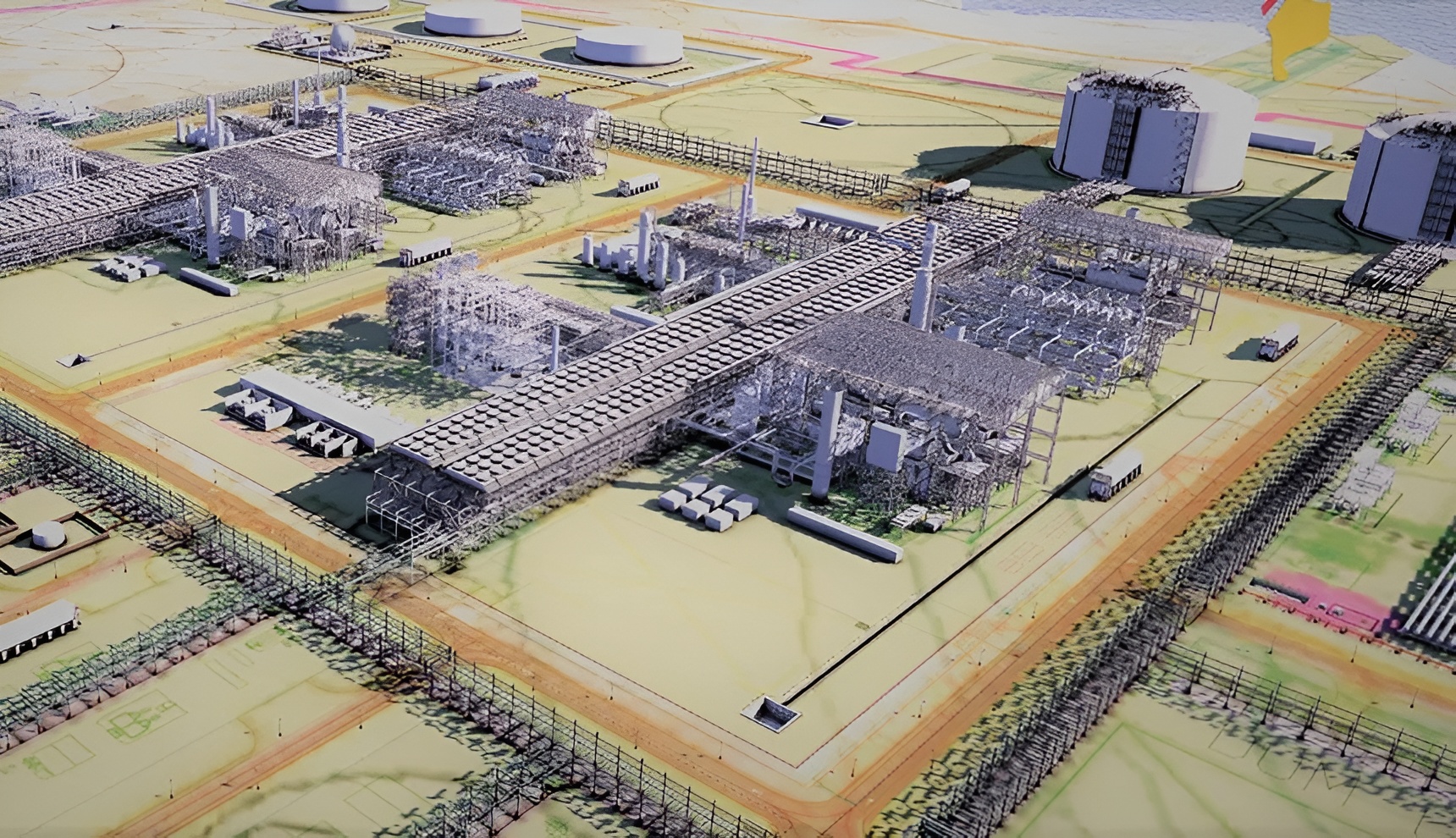
The scale of what TotalEnergies is building is difficult to overstate. The project involves developing the offshore gas field and constructing a massive onshore liquefaction facility at Afungi, a 7,000-hectare peninsula near Palma. Partners include three Indian oil companies, Japan’s Mitsui and the Mozambican state, which holds a 15 percent stake. When complete, the facility will export liquefied natural gas to international markets for decades.
For Cabo Delgado, a province that has suffered more than 6,500 deaths and one million displacements since an Islamist insurgency began in 2017, the project’s return carries enormous weight. Jobs, income and infrastructure are desperately needed.
A decade of compensation claims still unresolved
The frustration runs deep. Hundreds of farming and fishing families were displaced when the project began. Compensation was agreed in 2014, with approximately 184 million meticais, roughly €2.5 million, earmarked for affected households. The project’s five-year suspension froze those payments. Some families are still waiting.
Eduardo Caponde of the Cabo Delgado Community Development Forum raised a specific concern. The cost of living in Palma has changed dramatically since 2014. Is an amount agreed more than a decade ago still adequate? That question has not been answered.
TotalEnergies told journalists that all 643 families affected by the project had been relocated to the village of Quitunda and that by the end of 2025 all land compensation activities in the resettlement plan had been completed. Livelihood restoration programmes, the company said, had also been implemented.
A fortress economy that locals cannot enter
The project’s physical and economic isolation from surrounding communities has become a separate point of resentment. Workers fly in by helicopter directly to the Afungi base. They eat, sleep and work within the perimeter. Local restaurants, hotels and motorcycle taxis see little of their spending.
In September 2025, TotalEnergies signed a memorandum of understanding with Mozambique’s Northern Integrated Development Agency covering an €8.5 million programme to fund job creation and income-generating projects in Palma and Mocímboa da Praia. Many residents remain unconvinced it will reach them.
“Some entrepreneurs took on debt because they believed this development was coming,” said Aly Caetano, Cabo Delgado coordinator for the Centre for Democracy and Human Rights. “But they never see the people from Total.”