

KEY POINTS
- Oil prices dropped to their lowest level in three months after the United States and Iran agreed on a preliminary peace deal.
- The agreement is expected to reopen the Strait of Hormuz, a vital route for about 20% of global oil and LNG supplies.
- Analysts say a full recovery in oil shipments could take months, with global supply shortages likely to persist through 2026.
Global oil prices plunged on Monday after the United States and Iran announced that they had reached an initial agreement aimed at ending their conflict and restoring maritime traffic through the strategically important Strait of Hormuz.
The development eased concerns over disruptions to global energy supplies and pushed crude prices to their lowest levels in three months.
Brent crude futures dropped by $4.16, or 4.8 per cent, to $83.17 per barrel, while U.S. West Texas Intermediate (WTI) crude declined by $4.39, or 5.2 per cent, to $80.49 a barrel.
Both benchmarks had already fallen by more than three per cent on Friday and reached their lowest levels since March 10.
Memorandum of Understanding to Be Signed in Switzerland
Pakistan’s Prime Minister, whose country has acted as a mediator between Washington and Tehran, announced that both nations are expected to sign a memorandum of understanding in Switzerland on Friday.
U.S. President Donald Trump said on Sunday that the Strait of Hormuz would be reopened without restrictions and that the naval blockade imposed on Iranian ports would be lifted.
Iran’s semi-official Mehr News Agency reported that the draft agreement provides for the resumption of shipping activities through the Strait within 30 days under arrangements supervised by Tehran.
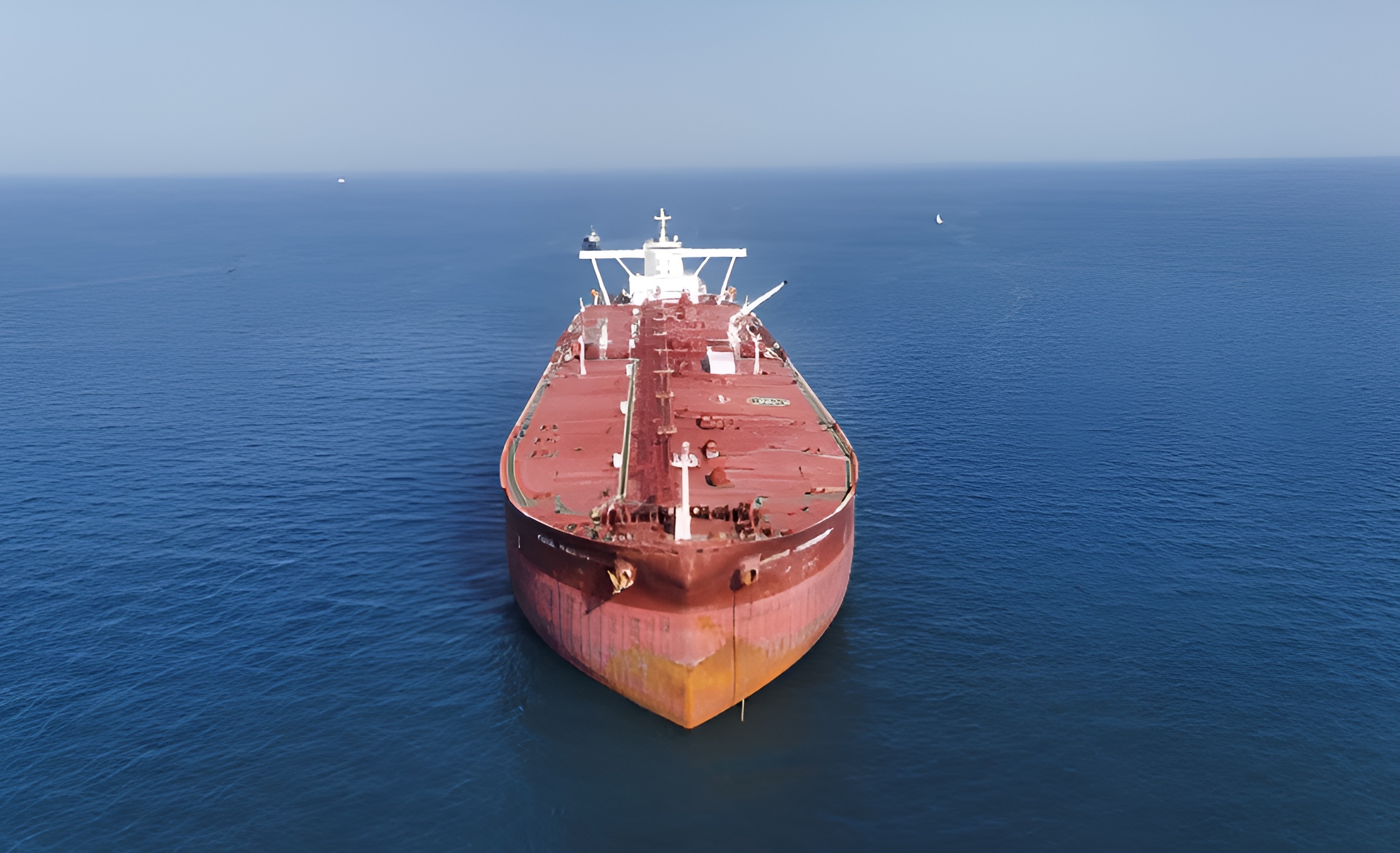
The closure of the Strait of Hormuz during the conflict disrupted millions of barrels of oil and gas supplies for more than three months.
The waterway is regarded as one of the world’s most important energy chokepoints, handling roughly one-fifth of global oil and liquefied natural gas shipments.
Although the peace agreement has raised hopes of improved supply conditions, experts caution that restoring normal operations will take time.
Tamas Varga, an analyst at PVM Oil Associates, said the return to pre-crisis shipping levels of about 20 million barrels per day would not happen immediately.
According to him, estimates for a full resumption range from several weeks to a number of months.
He noted that the recent decline in oil prices reflects expectations of future supply rather than an immediate increase in physical output, adding that the slow pace of recovery could leave the market facing supply deficits throughout 2026.