

KEY POINTS
- Daystar Power installed 6.884MW of solar power across four Nestle West Africa facilities.
- The installations cover two sites in Abidjan, one in Tema and one in Dakar.
- Nestle says the solar investment embeds sustainability directly into its West Africa growth strategy.
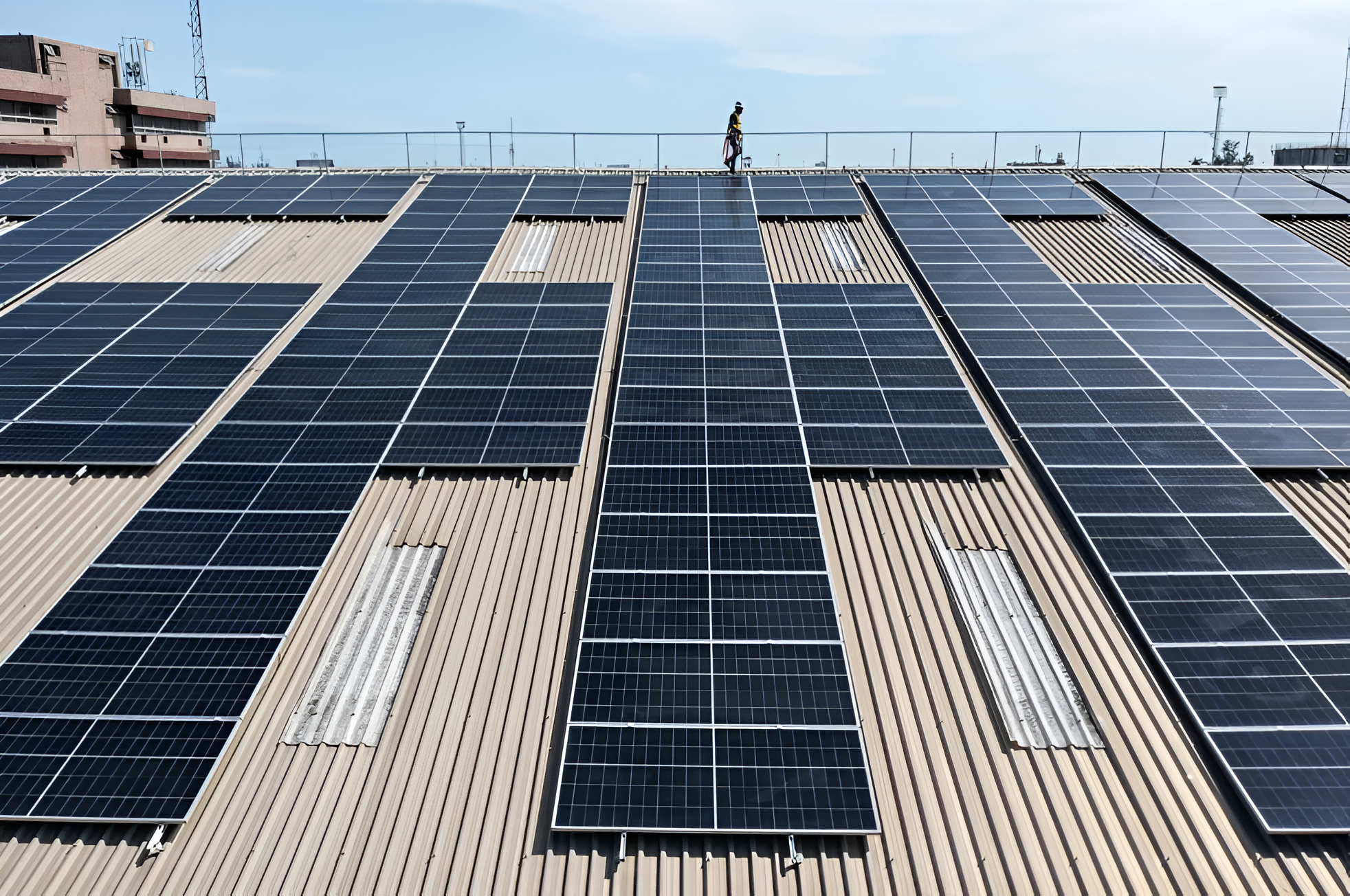
Four Nestle factories across West Africa are now running on solar power. Daystar Power Group announced Sunday that it has installed 6.884 megawatts of solar capacity across Nestle manufacturing sites in Côte d’Ivoire, Ghana and Senegal, in what the companies describe as a deepening energy partnership.
The installations are live at two facilities in Abidjan, one at Nestle’s factory in Tema, Ghana, and another at its plant in Dakar, Senegal. Together, the four sites now carry nearly seven megawatts of solar generation, enough to meaningfully reduce grid dependence and cut greenhouse gas emissions at each location.
Breaking down the installations across three countries
The numbers behind the project show a deliberate spread of capacity. Daystar deployed 3,447 kilowatts peak across the two Abidjan facilities in Côte d’Ivoire. The Tema plant in Ghana received a 2,547kWp system. The Dakar site in Senegal accounts for the remaining 890kWp.
Yischai Beinisch, chief executive officer of Daystar Power Group, said the scale of the deployment reflects a maturing commercial relationship with the global food and beverage manufacturer.
“Nearly 7 megawatts across four Nestle facilities is a number we are proud of,” Beinisch said.
Daystar Power operates across Nigeria, Ghana, Côte d’Ivoire, Senegal and Togo, providing solar hybrid energy solutions to commercial and industrial customers. The Nestle project represents one of its largest multi-country deployments to date.
Nestle ties solar push to its sustainability commitments
Samer Chedid, chief executive officer of the Nestle Central and West Africa Region, said the solar rollout is not a standalone project. It sits inside a broader company commitment to grow responsibly across the region.
“This investment reflects our commitment to building a business that not only grows but does so responsibly,” Chedid said. “By advancing solar energy projects in Ghana, Côte d’Ivoire, and Senegal, we are embedding sustainability into our growth, reinforcing our role as a force for good and ensuring that our footprint actively contributes to a cleaner, more resilient future.”
The project adds to a growing pipeline of commercial and industrial solar deployments across West Africa, where unreliable grid supply has pushed major manufacturers to seek alternative energy solutions. Daystar’s model of providing solar hybrid systems to large industrial clients has made it one of the region’s most active players in that space.