KEY POINTS
- Nigeria flared about 76.92 billion standard cubic feet of gas in five months despite rising cooking gas prices.
- The wasted gas could have supported electricity generation, industry, and domestic LPG supply.
- Experts say poor infrastructure and weak enforcement are preventing effective gas utilisation policies from working.
Nigeria flared about 76.92 billion standard cubic feet of natural gas between January and May 2026, according to data from the Nigerian Upstream Petroleum Regulatory Commission.
The figures show that oil and gas companies continued to burn large volumes of gas that could have been used for power generation, industrial purposes, and domestic cooking gas supply.
In January, about 17.17 billion standard cubic feet of gas was flared. February recorded 14.09 billion, March had 15.58 billion, April recorded 14.52 billion, while May rose to about 15.58 billion standard cubic feet.
The data also showed that Nigeria’s average daily gas production rose to 7.93 billion cubic feet per day in May, even as flaring remained high at about 6.9 percent of output.
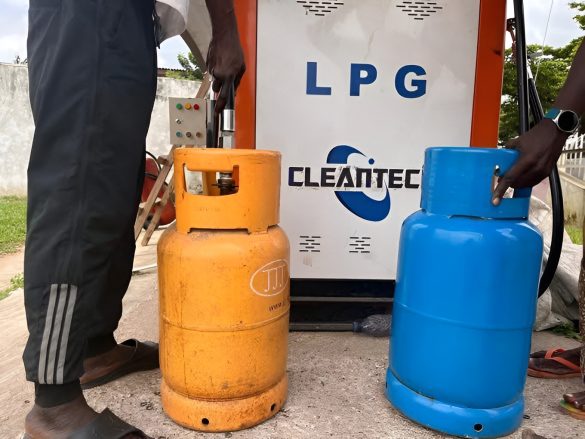
The continued flaring comes at a time when cooking gas prices have risen sharply across the country, with reports showing increases from about ₦1,000 per kilogramme earlier in the year to as high as ₦2,400.
Energy operators attribute part of the domestic supply pressure to reduced LPG availability from major production sources, though internal utilisation by some facilities has also been cited as a factor.
Nigeria holds over 200 trillion cubic feet of proven gas reserves, but a significant portion of associated gas produced alongside crude oil is still being flared instead of captured and used.
Experts say reducing gas flaring could significantly improve domestic gas supply and support government plans under the Decade of Gas initiative.
The Federal Government has pledged to end routine gas flaring by 2030 through policies such as the Petroleum Industry Act and the Gas Flare Commercialisation Programme.
Gas Experts Say That Implementation Remains Weak
However, energy experts argue that implementation remains weak, with major gaps in infrastructure such as pipelines and processing facilities limiting gas capture and utilisation.
A professor of energy at the University of Lagos, Dayo Ayoade, said Nigeria has made policy progress but continues to struggle with enforcement and practical execution.
He added that without sufficient infrastructure investment and stronger regulation, gas flaring will remain a major challenge despite existing government initiatives.
Environmental experts also warn that continued flaring contributes to pollution and environmental degradation, particularly in oil-producing communities.
Although Nigeria has reduced flaring compared to previous years, the practice remains a major obstacle to achieving energy security and cleaner fuel access.