

KEY POINTS
- NUM opposes Ramaphosa’s Eskom restructuring plan.
- Union fears job losses and higher electricity costs.
- NUM is considering legal action against the process.
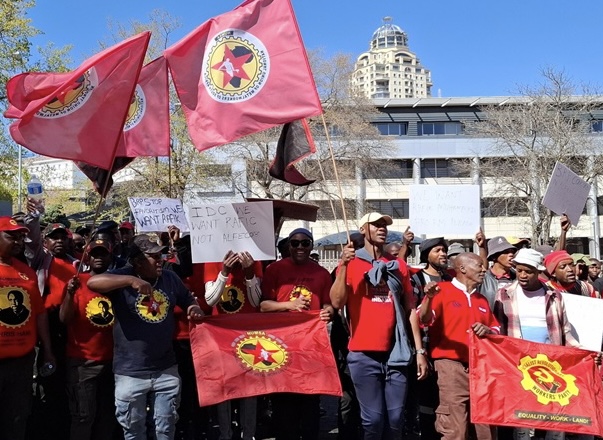
The National Union of Mineworkers, NUM, has criticised President Cyril Ramaphosa’s approval of a task team to oversee the restructuring of Eskom, saying the plan may not serve the public interest.
The union said it is concerned that the proposed changes could lead to job losses and may eventually increase the role of private businesses in South Africa’s electricity sector.
The dispute comes as the government pushes ahead with reforms aimed at changing the way Eskom’s electricity transmission system operates and attracting new investment into the power sector.
NUM deputy president Olehile Kgware said the union is unhappy with the restructuring plans because it believes workers and the wider public could be negatively affected.
He stressed that any changes to Eskom must not be carried out at the expense of jobs.
The union is also concerned about the possible impact of the reforms on electricity prices, particularly at a time when many South Africans are already struggling with high energy costs.
According to Kgware, the issue goes beyond NUM and its members because changes to Eskom could affect electricity consumers and the wider economy.
The NUM said it has already written to President Ramaphosa to raise its concerns about the restructuring process.
The union said it has not received a response to its letter and has therefore started considering legal options.
It has consulted lawyers over the matter and is looking at the possibility of challenging the restructuring process through the courts.
The union believes that workers and other affected groups should have a greater say in decisions that could significantly change the structure of Eskom.
Government wants more competition and investment
The restructuring plan is part of wider efforts by the South African government to reform Eskom and address long-standing problems in the electricity sector.
The first phase of the task team’s work recommends the creation of an independent Transmission System Operator (TSO) separate from Eskom.
The proposed TSO would oversee the transmission of electricity and operate independently from electricity generation and other parts of the power system.
The presidency has said the move is intended to encourage greater competition, attract investment and improve South Africa’s energy security.
Supporters of the reform argue that separating the transmission system from Eskom could create a more open electricity market and make it easier for new power producers to participate.
However, the NUM remains strongly opposed to the direction of the reforms.
The union fears that restructuring could eventually result in more private-sector involvement in Eskom and the electricity industry.
Kgware argued that the benefits of restructuring should not be limited to private businesses or a small group of investors.
The union also questioned whether the changes would make electricity more affordable for ordinary South Africans.
It believes that any restructuring of Eskom should focus on the needs of workers and electricity consumers while ensuring that the country maintains a reliable and affordable power supply.
The disagreement highlights the wider debate over how South Africa should reform Eskom while protecting workers and improving electricity supply.
The government has been pursuing changes to the power utility as part of efforts to address the country’s long-running electricity challenges and create a more competitive energy market.
For the NUM, however, the success of any restructuring plan should not be measured only by investment and competition.
The union wants guarantees that workers will not lose their jobs and that consumers will not face even higher electricity costs as the reforms are implemented.
With the union considering legal action, the restructuring of Eskom could face further opposition as the government moves to implement the proposed changes.