

KEY POINTS
- 31 laden LNG tankers exited Hormuz in October, the most since February.
- UAE transits are back to prewar levels; Qatar’s are above 30%.
- Ras Laffan loaded 35 cargoes, its most since the war began.
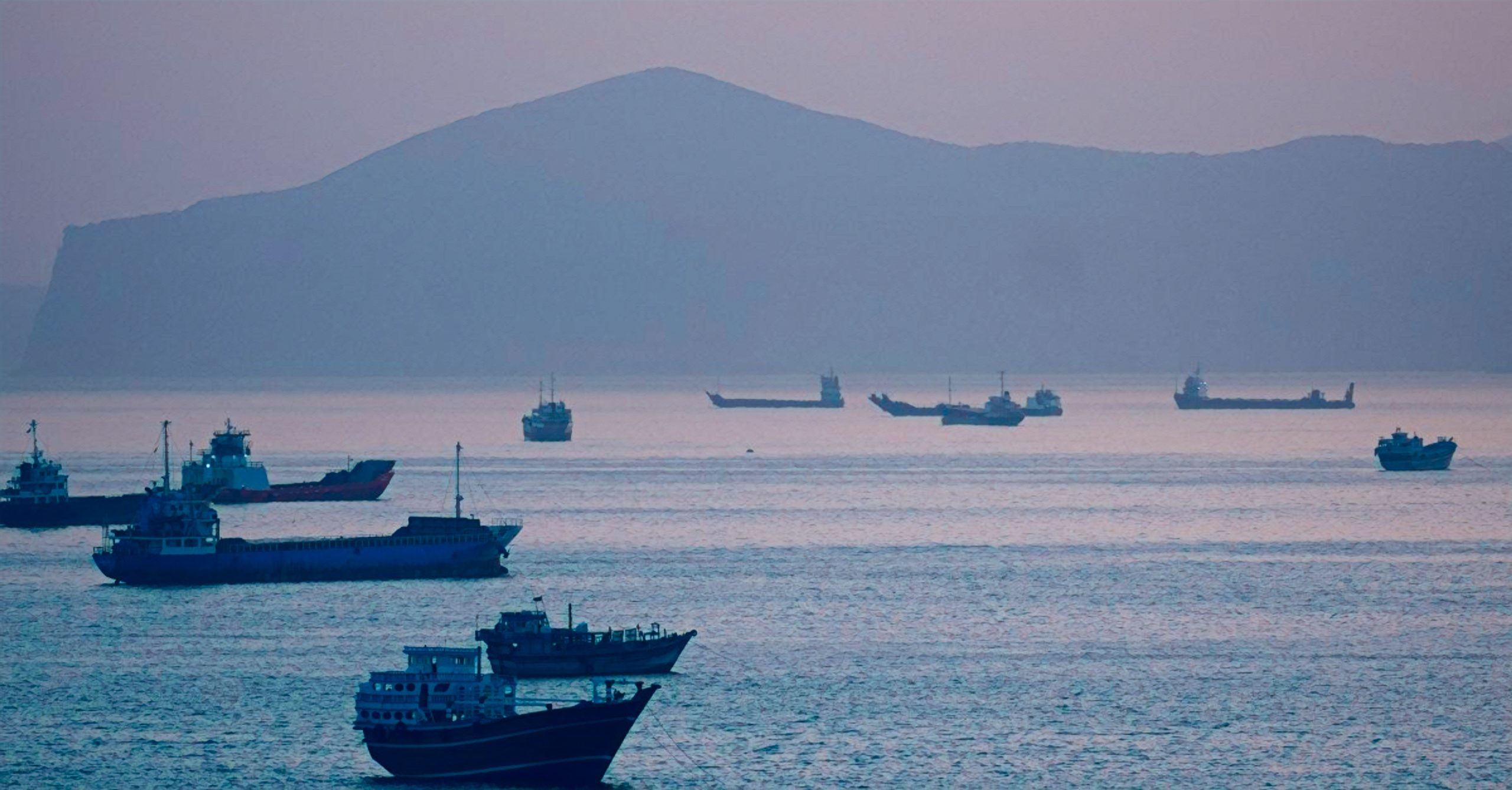
Liquefied natural gas shipments through the Strait of Hormuz climbed in October to their highest monthly level since the U.S.-Iran war disrupted the waterway in February, Asharq Al-Awsat reported, citing vessel-tracking data.
Thirty-one laden LNG tankers exited the strait last month, according to S&P Global Energy, up from 23 in September. Of October’s total, 23 loaded at Qatar’s Ras Laffan and eight at Das Island in the United Arab Emirates.
Hormuz LNG recovery led by the UAE
The recovery is uneven, however. “We are looking at UAE back to pre-war transit levels,” said Eric Yep, a senior principal analyst at S&P Global Energy, adding that Qatar’s transits stood at more than 30% of prewar levels.
Meanwhile, Kpler counted 42 LNG cargo loadings in October, up from 27 in September. Ras Laffan alone loaded 35 cargoes, topping 2.7 million metric tons, its highest since the war began. Still, that remains well below February, when Qatar exported nearly 6.2 million metric tons. Das Island held steady at seven loadings, flat with September.
Ship-to-ship transfers off Oman
After leaving the strait, two tankers carrying Qatari LNG also carried out ship-to-ship transfers off Oman’s Sohar anchorage, Kpler data showed. The SC Prestige moved its cargo to the BW ENN Crystal Sky, now heading to South Korea. The Al Mafyar, meanwhile, transferred its LNG to two vessels that delivered it to Pakistan.