

KEY POINTS
- FG targets January 2027 to begin replacing national grid infrastructure.
- Government has paid N1.23 trillion of the N3.3 trillion debt owed to GenCos.
- Transmission faults, gas supply constraints and ageing power plants remain major challenges.
The Federal Government plans to begin replacing ageing infrastructure across Nigeria’s national electricity grid in January 2027, as part of efforts to address persistent power supply challenges.
Joseph Tegbe, minister of power, disclosed the plan on Monday, November 9, during an interview on TVC, saying work would commence within the next one to two months.
He said President Bola Tinubu was fully supportive of the initiative and that the government was preparing to strengthen the country’s electricity transmission network.
Ageing transmission lines identified as major challenge
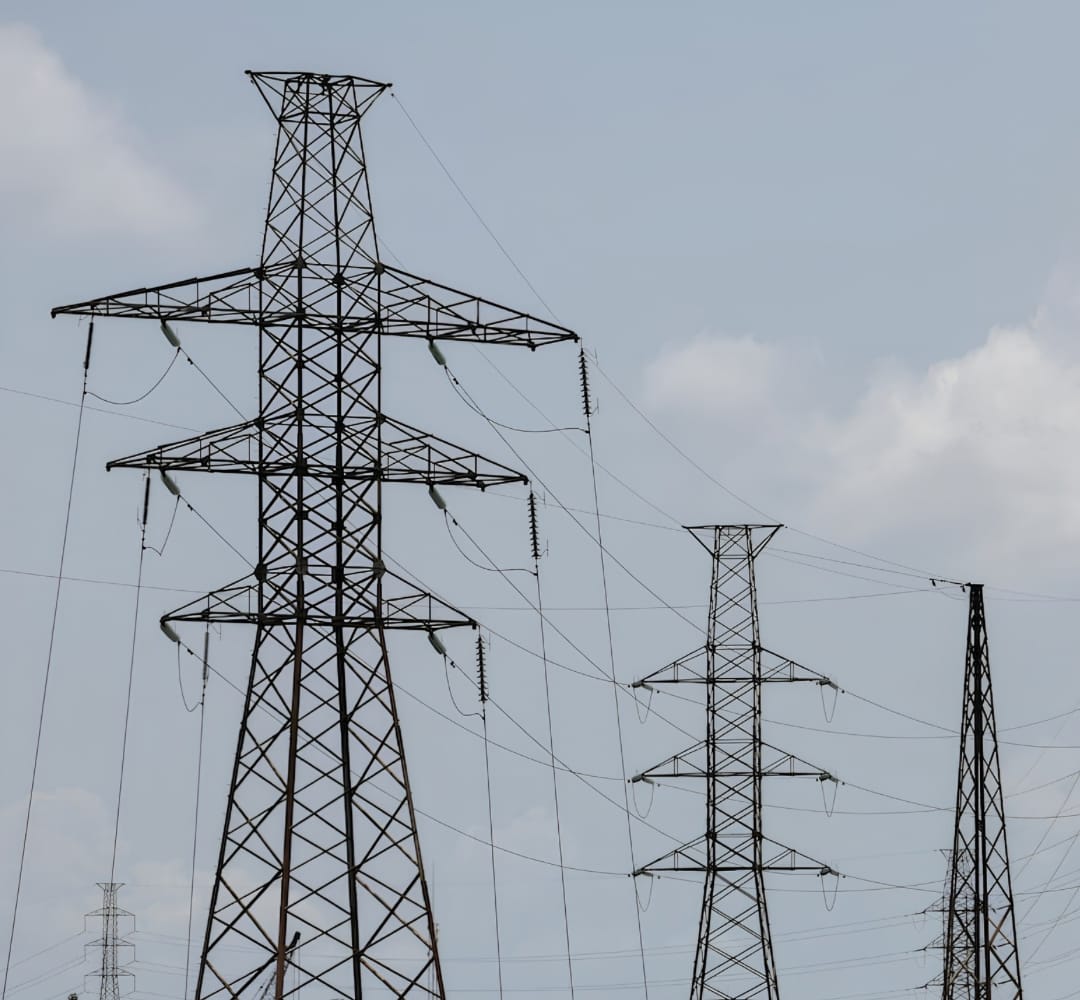
Tegbe identified transmission as the biggest constraint in Nigeria’s power sector, noting that some electricity transmission lines have been operating for as long as 50 years.
He said the ministry had begun a technical audit of the entire power sector to determine which facilities require repairs, replacement or upgrades.
According to the minister, the audit had been underway for about a month and had already provided preliminary findings on the condition of critical infrastructure.
The assessment identified faults involving transmission towers, insulators, conductors and relays at different facilities.
Tegbe said the exercise was necessary to ensure that government funding was directed towards the actual problems affecting each facility rather than being spent on components that did not require immediate attention.
He explained that replacing insulators, for example, would amount to a waste of resources if the real problem was a faulty conductor relay.
The government intends to use the audit findings to establish the scale of work required and guide the allocation of funds ahead of the planned infrastructure replacement.
Gas supply chain and outstanding debts affect electricity generation
The minister also identified weaknesses in Nigeria’s gas supply chain as another factor limiting electricity generation, despite the country having sufficient gas reserves.
He said financial challenges within the supply chain, particularly outstanding payments involving electricity generation companies (GenCos), had made it difficult for some operators to purchase the gas needed to generate power.
Tegbe put the outstanding debt at N3.3 trillion, adding that the federal government had begun reducing the obligations with President Tinubu’s support.
He said the government had paid down N1.23 trillion over the preceding months, leaving approximately N2 trillion outstanding.
The minister expressed hope that the remaining debt would be addressed in 2027.
His comments come amid differing explanations from agencies in the electricity and gas sectors over the factors behind Nigeria’s recent decline in power generation.
On November 5, the Nigerian Independent System Operator (NISO) attributed lower electricity generation partly to limited gas availability and reduced water inflows into hydroelectric stations.
However, on November 7, the Nigerian National Petroleum Company (NNPC) Limited said its gas transportation network had no operational constraints responsible for the decline.
Responding to the differing positions, Tegbe said his priority was to ensure that Nigerians received reliable electricity rather than allow disagreements among agencies to distract from addressing the problems.
He said the ministry would work to ensure that the relevant agencies collaborated to resolve the challenges.
Ageing power plants also require attention
Beyond transmission infrastructure and gas supply, Tegbe identified the age of some electricity generation plants as another factor affecting the sector’s performance.
He said the government was replacing some ageing facilities with newer ones as part of efforts to improve electricity generation.
The minister maintained that addressing problems across the gas supply chain, settling outstanding financial obligations and upgrading generation facilities would help improve power supply.
The planned grid infrastructure replacement is expected to focus on repairing or replacing faulty components identified through the ongoing technical audit.
However, the success of the initiative will depend on the government’s ability to fund the required upgrades and coordinate the different agencies responsible for electricity generation, transmission and gas supply.