

KEY POINTS
- Ramokgopa and Eskom will host a nuclear and clean energy conference in Gauteng on November 10 and 11.
- Eskom is considering a nuclear power station of up to 5,200MW, with Thyspunt identified as the preferred site for further assessment.
- Thyspunt communities oppose the proposal over concerns about livelihoods, environmental damage, safety and project costs.
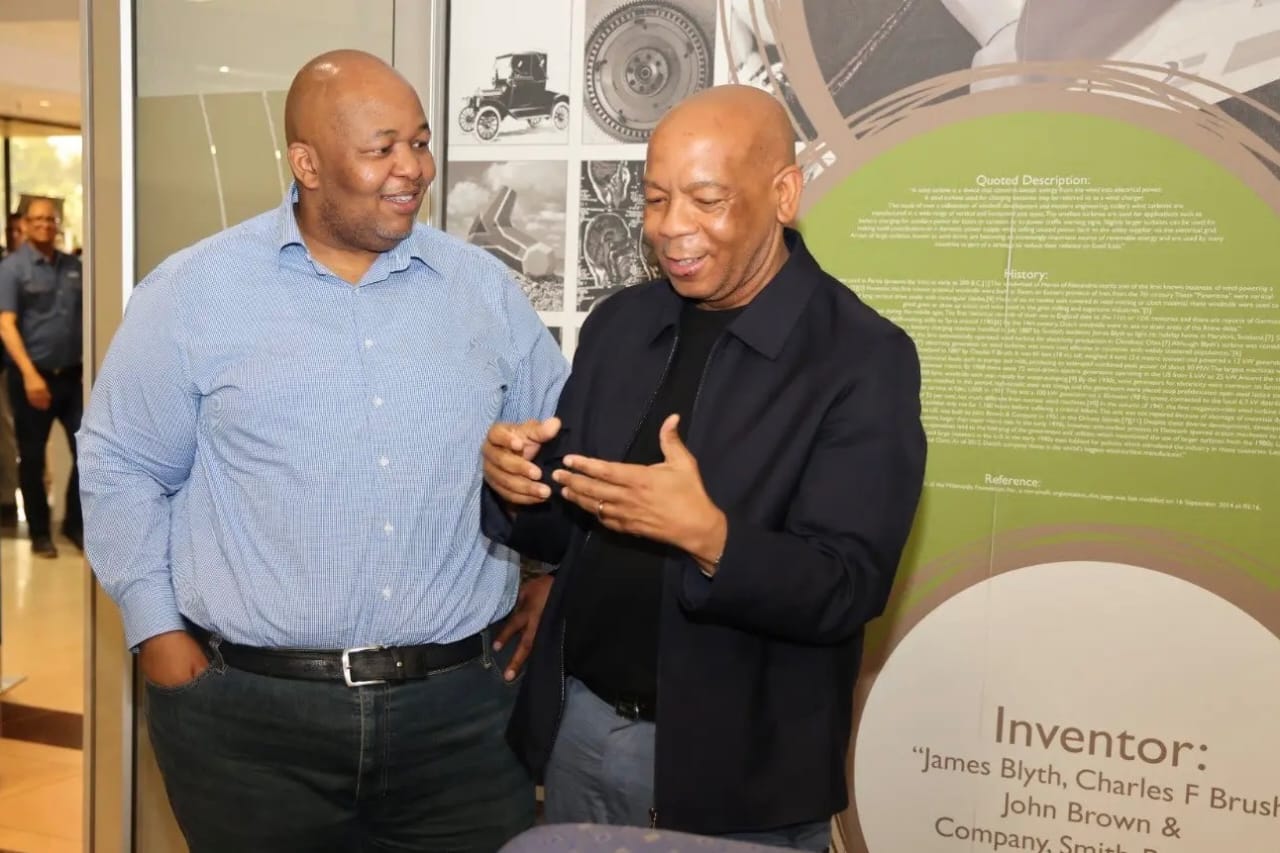
South Africa’s Minister of Electricity and Energy, Kgosientsho Ramokgopa, and state-owned power utility Eskom are preparing to advance the country’s nuclear energy programme at a joint nuclear and clean energy conference scheduled for November 10 and 11 in Gauteng.
The event comes as Eskom considers developing a nuclear power station with a capacity of up to 5,200 megawatts (MW), with Thyspunt in the Eastern Cape emerging as the preferred site for further assessment.
However, the proposed development is facing opposition from communities in the Kouga region, where residents and environmental organisations have raised concerns about its potential impact on livelihoods, marine ecosystems, cultural heritage and public finances.
The Department of Electricity and Energy (DEE) and Eskom will host the South African Nuclear and Clean Energy Conference under the theme, “Transitioning from Policy to Execution: Powering a Secure, Sustainable and Industrialised Future.”
The gathering will bring together policymakers, industry representatives, international experts and other stakeholders to discuss the country’s energy priorities and the investments required to implement them.
Conference to focus on nuclear and clean energy development
The conference will combine the DEE Nuclear Conference and the fourth Eskom Clean Energy Conference on one platform, while retaining separate discussions on their respective areas.
The nuclear programme sessions will examine policy, regulation, financing, technology, international partnerships, industrial development and skills requirements.
Participants are also expected to discuss emerging technologies, including Small Modular Reactors (SMRs), and opportunities to strengthen nuclear energy development across Africa.
The clean energy conference will use South Africa’s Integrated Resource Plan 2025 as its main reference point. Discussions will cover emissions reduction, emerging energy technologies, electricity grid development, regional power connections, affordability and private sector participation.
The department said the joint event would provide an opportunity to examine the infrastructure, investment and technological requirements of South Africa’s changing electricity system.
The 2026 conference builds on previous nuclear and clean energy engagements held in 2025, including discussions involving the International Atomic Energy Agency (IAEA) on the potential role of nuclear technology and SMRs in the country’s long-term energy transition.
Eskom identifies Thyspunt as preferred nuclear site
Eskom is pursuing plans for a new nuclear power station capable of generating up to 5,200MW as part of efforts to strengthen South Africa’s long-term electricity security and reduce dependence on fossil fuels.
The utility has been considering two coastal locations: Thyspunt in the Eastern Cape and Bantamsklip in the Western Cape.
Following the publication of a 776-page draft environmental scoping report prepared by environmental consultancy WSP, Thyspunt was identified as the preferred location for further assessment.
The site’s grid access advantages were among the factors supporting its selection. However, the area also has significant environmental and cultural sensitivities, including its classification as a Grade I cultural landscape.
The preferred-site designation does not mean the project has received final approval. Environmental assessment and other regulatory processes remain important steps before any construction decision can be made.
Thyspunt communities raise environmental concerns
Opposition to the proposed nuclear facility has grown among residents and community groups in the Kouga region.
On July 11, communities from across the area gathered in Jeffreys Bay for a public Speak Out event organised by Earthlife Africa Johannesburg.
Residents, small-scale fishers, environmental campaigners and heritage advocates used the gathering to express concerns about the proposed development and demand greater involvement in decisions affecting their communities.
Makoma Lekalakala, director of Earthlife Africa Johannesburg, said opposition to the project had been building for nearly two decades. She argued that Thyspunt was unsuitable for a nuclear power station because of its environmental, cultural and economic importance.
Participants warned that construction activities, including dredging and marine dumping, could damage marine ecosystems and affect chokka squid breeding grounds.
They also raised concerns about the potential impact on fishing, tourism and agriculture, which provide livelihoods for communities in the area.
Local fisher Phenius Nkatshuka said damage to marine ecosystems could affect fish stocks, food security and the incomes of people who depend on fishing.
Residents further questioned whether the employment opportunities promised by the project would compensate for possible losses in existing economic activities. They argued that many construction jobs would be temporary, while damage to established industries could have lasting consequences.
Safety, infrastructure and public spending concerns
Community opposition also centres on the potential pressure the development could place on local infrastructure and public services.
Residents warned that a large construction workforce could increase demand for housing, healthcare, water and municipal services.
Emergency preparedness was another major concern, particularly the ability of residents to evacuate safely in the event of a nuclear incident.
Some participants questioned whether the area’s limited road network, including congestion along the N2, could support an effective evacuation exercise during an emergency.
Environmental and faith-based organisations also raised questions about nuclear waste management, project affordability and the financial implications for taxpayers.
Lydia Peterson of the Southern African Faith Communities Environment Institute said communities were being asked to accept significant risks without sufficient answers on safety, electricity costs and radioactive waste disposal.
Gary Koekemoer of the Wildlife and Environment Society of South Africa argued that the development could threaten natural and cultural resources that would be difficult or impossible to restore once damaged.
Ntombizodidi Mapapu, also of the Southern African Faith Communities Environment Institute, questioned whether the substantial investment required for the project would be better directed towards public services such as education, healthcare and housing.
Opponents have also raised concerns that the project could require hundreds of billions of rand, potentially increasing public debt and electricity tariffs.
Nuclear expansion faces questions over energy priorities
The disagreement over Thyspunt reflects a broader debate about the role of nuclear power in South Africa’s future electricity mix.
Supporters of the programme see nuclear energy as a source of reliable, low-carbon electricity that could strengthen energy security and complement renewable power generation.
However, opponents argue that large nuclear projects require substantial capital investment, lengthy development periods and extensive safety and environmental assessments.
They also question whether the country should prioritise large nuclear facilities when renewable energy and decentralised electricity systems are expanding.
The upcoming conference is expected to provide a platform for government, Eskom, investors and industry stakeholders to discuss how South Africa can move from energy policy commitments to implementation.
For communities around Thyspunt, however, the central issues remain the protection of local livelihoods, environmental resources, cultural heritage and public participation in decisions about the proposed facility.
The project will therefore face not only technical and financial considerations but also the challenge of addressing concerns from residents who could be directly affected by its development.