KEY POINTS
- Cooking gas now sells for N1,250–N1,650 per kg in the FCT but remains expensive for many households.
- Improved supply and competition have helped push LPG prices down from earlier highs near N2,000 per kg.
- Government is targeting hoarding and diversion while pursuing increased domestic production and better distribution.
Residents of the Federal Capital Territory (FCT) are continuing to struggle with the high cost of cooking gas, despite a recent decline in Liquefied Petroleum Gas (LPG) prices.
According to residents who spoke with the News Agency of Nigeria in Abuja, the reduction from the much higher prices recorded earlier in the year has provided some relief, but cooking gas remains too expensive for many households.
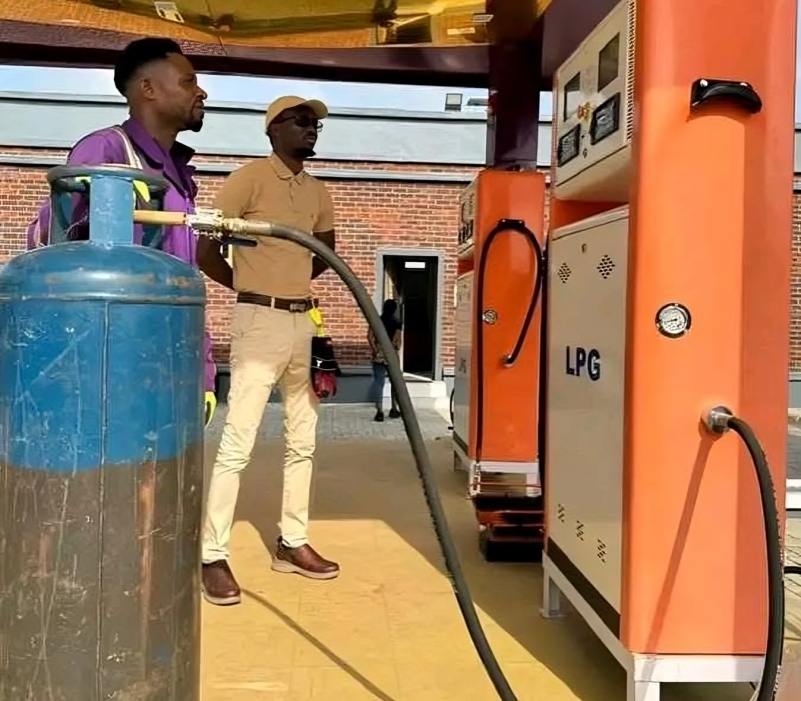
LPG is currently selling for between N1,250 and N1,650 per kilogramme across the FCT, depending on the location and where consumers purchase the product. Major gas outlets and depots generally offer lower prices, while some roadside vendors charge more.
At the prevailing prices, households using a 5kg cylinder now spend between N6,250 and N8,250 to refill it. For consumers using larger 12.5kg cylinders, the cost ranges from N15,625 to N20,625.
Although these prices represent an improvement from the peak recorded earlier in the year, many consumers say the cost is still putting considerable pressure on household finances.
Some residents have resorted to buying smaller quantities of gas because they cannot afford to fill their cylinders at once.
Prices have dropped from earlier highs
The current prices represent a notable decline from levels recorded in some parts of the FCT earlier this year.
In June, cooking gas sold for between N1,498 and N1,650 per kilogramme, while some roadside retailers charged as much as N1,850 per kilogramme. At the height of the price surge, LPG approached N2,000 per kilogramme in parts of the territory.
The recent moderation has therefore eased some of the pressure on consumers, although households say the reduction has not yet brought the commodity within comfortable reach of low- and middle-income families.
Consumers welcomed the decline but stressed that a temporary reduction would not be enough.
Innocent Emmanuel, a resident of Gudu and public servant, said the lower price had yet to make a major difference to household budgets. He said some families were now purchasing smaller quantities because they could not afford to refill their cylinders fully.
Elizabeth Tanko, a resident of Lugbe, similarly called for greater price stability, noting that consumers had experienced previous periods of declining prices followed by fresh increases.
Zainab Isiaka, a businesswoman living in Kubwa, said that although prices were no longer close to N2,000 per kilogramme, even N1,300 remained a significant expense for families already dealing with high food and transportation costs. Energy expert Chris Mordi attributed the recent fall in LPG prices largely to improved availability and easing supply constraints across the downstream market.
According to him, supply and demand have become better aligned, while lower depot prices are gradually being reflected in retail prices. Increased competition among LPG suppliers and marketers is also contributing to the downward movement in prices.
However, Mordi cautioned that what consumers ultimately pay will continue to depend on factors including transportation and logistics costs, distribution margins, exchange-rate movements and the sustainability of domestic LPG supply.
He said further price moderation could occur if improved supply is sustained and there are no major disruptions in domestic production or the import-supply chain.