

KEY POINTS
- Dangote Refinery may restrict petrol supplies to marketers that continue importing PMS.
- The refinery is concerned about imported petrol being blended with its products and the lack of adequate quality-control infrastructure.
- The move could deepen the shift from fuel imports towards domestic refining and reshape competition in Nigeria’s downstream oil market.
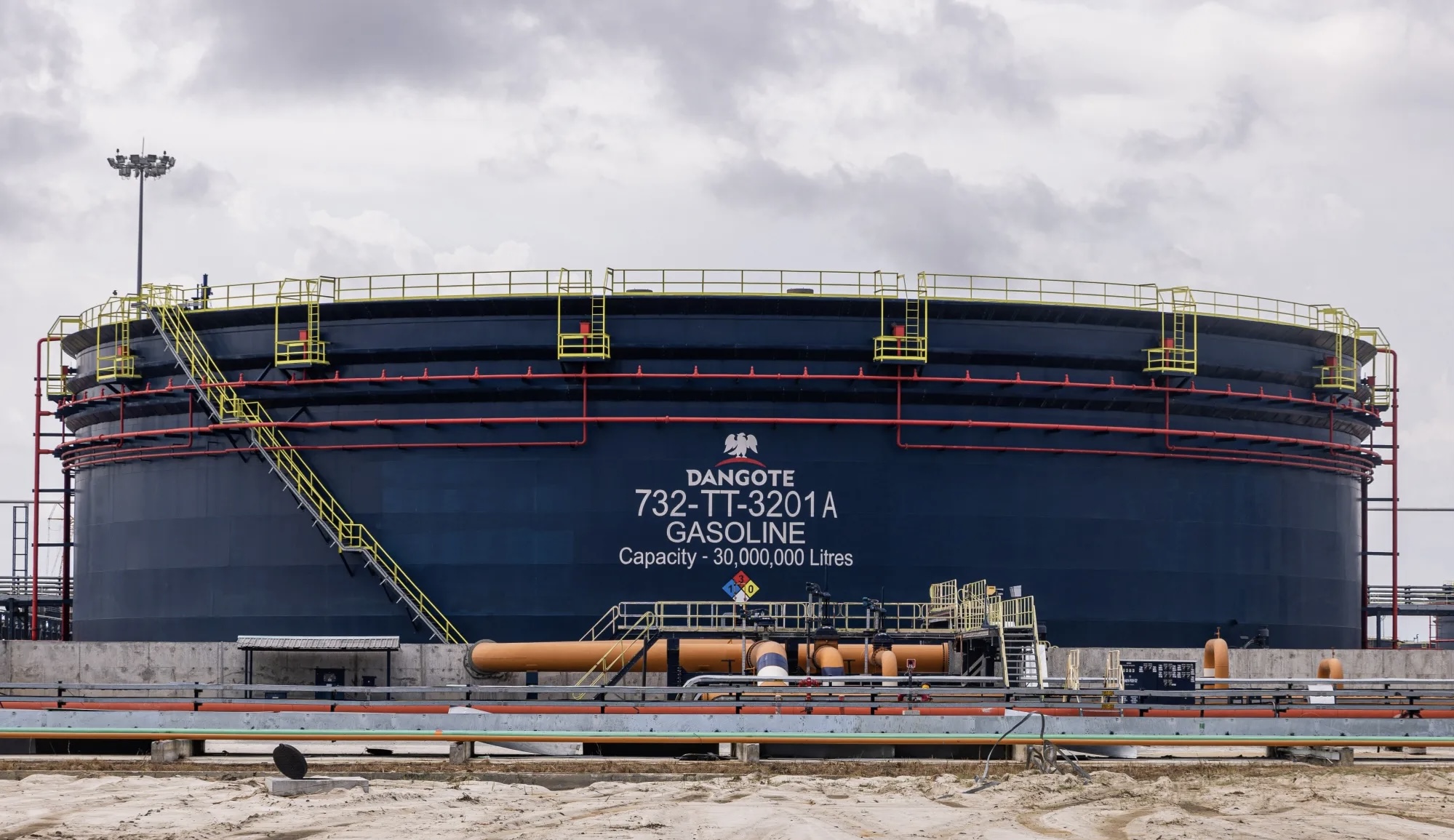
Dangote Petroleum Refinery is considering restricting petrol supplies to major oil marketers that continue to import Premium Motor Spirit (PMS) into Nigeria, amid growing concerns over fuel quality, product blending and market transparency.
The proposed measure could take effect as early as this week, according to a source familiar with the refinery’s position, although consultations are reportedly ongoing and a last-minute intervention could still prevent its implementation. The move is linked primarily to concerns that some marketers may be blending imported petrol with products purchased from Dangote Refinery before distributing the mixture to consumers.
The refinery reportedly fears that such practices could make it difficult to determine whether products sold in the market are supplied entirely by Dangote or have been mixed with petrol from other sources.
The source questioned the rationale behind investing heavily in the production of high-quality petroleum products only for them to be mixed with imported fuel whose quality may not be independently established before being sold to Nigerians.
Dangote Refinery has also raised concerns about the availability of adequate quality-control infrastructure for imported petroleum products, including the absence of a standard laboratory operated by the regulator.
According to the refinery, stronger independent testing and certification mechanisms are required to verify the specifications of petroleum products entering the Nigerian market.
Domestic Refining Versus Fuel Imports
The development comes as Nigeria’s downstream petroleum industry undergoes a major shift away from its longstanding dependence on imported refined products.
With its 700,000-barrel-per-day capacity, Dangote Refinery has become a major supplier of refined petroleum products to both the Nigerian and international markets.
Its emergence has significantly altered the structure of Nigeria’s petroleum products market, as domestic refining capacity increases while some marketers continue to source petrol from overseas.
The refinery maintains that its petroleum products meet internationally recognised quality standards and has increasingly positioned itself as a major player in the domestic and international refined-products market.
Nigeria’s seaborne petroleum product shipments averaged about 561,000 barrels per day in the second quarter of 2026, compared with an annual average of 79,000 barrels per day in 2023, according to data referenced in the report.
The increase has been linked partly to the growing contribution of Dangote Refinery to Nigeria’s refined petroleum product exports. Beyond petrol, Dangote Refinery has also strengthened its position in the international aviation fuel market.
Its jet fuel has gained traction in overseas markets, including Europe and the United States, with the refinery’s supplies to Europe reportedly exceeding volumes from traditional exporters in the US and Middle East for consecutive months.
The refinery’s growing export footprint underscores the broader transformation taking place in Nigeria’s petroleum industry as the country moves from importing refined products towards becoming a significant exporter. The latest concerns are not entirely new.
In November 2024, Dangote Refinery criticised an unnamed international trading company for allegedly engaging a nearby depot to blend what it described as substandard petroleum products and compete with its refined products in the Nigerian market.
Dangote Group’s Chief Branding and Communications Officer, Anthony Chiejina, had argued that such activities could undermine the development of domestic refining.
He also called on relevant authorities to adopt measures similar to those used by other oil-producing and refining countries to protect domestic refiners from practices that could undermine their investments.