

KEY POINTS
- Gas producers are promoting Australia’s Northern Territory for AI data centres, saying on-site “behind the meter” generation avoids four-to-eight-year grid-connection waits in the southeast.
- The plan relies on Beetaloo shale gas, but a proposed 2-gigawatt campus near Darwin would need about 200 terajoules a day per gigawatt.
- Supply is nascent, with Tamboran piping 40 terajoules a day and Beetaloo Energy adding 15, and advisers warn the strategy suits only deep-pocketed developers.
Australian gas producers and advisers are pitching the remote Northern Territory as a home for AI data centres, arguing developers there can self-generate power and skip the grid-connection queues stalling projects in the populous southeast.
The pitch comes from firms poised to gain from a data centre build-out, and it lands as Canberra prepares new rules. Specifically, from next year the government plans to require new data centres to be matched by renewable generation, with natural gas allowed only as a backup.
Behind-the-meter power as the draw
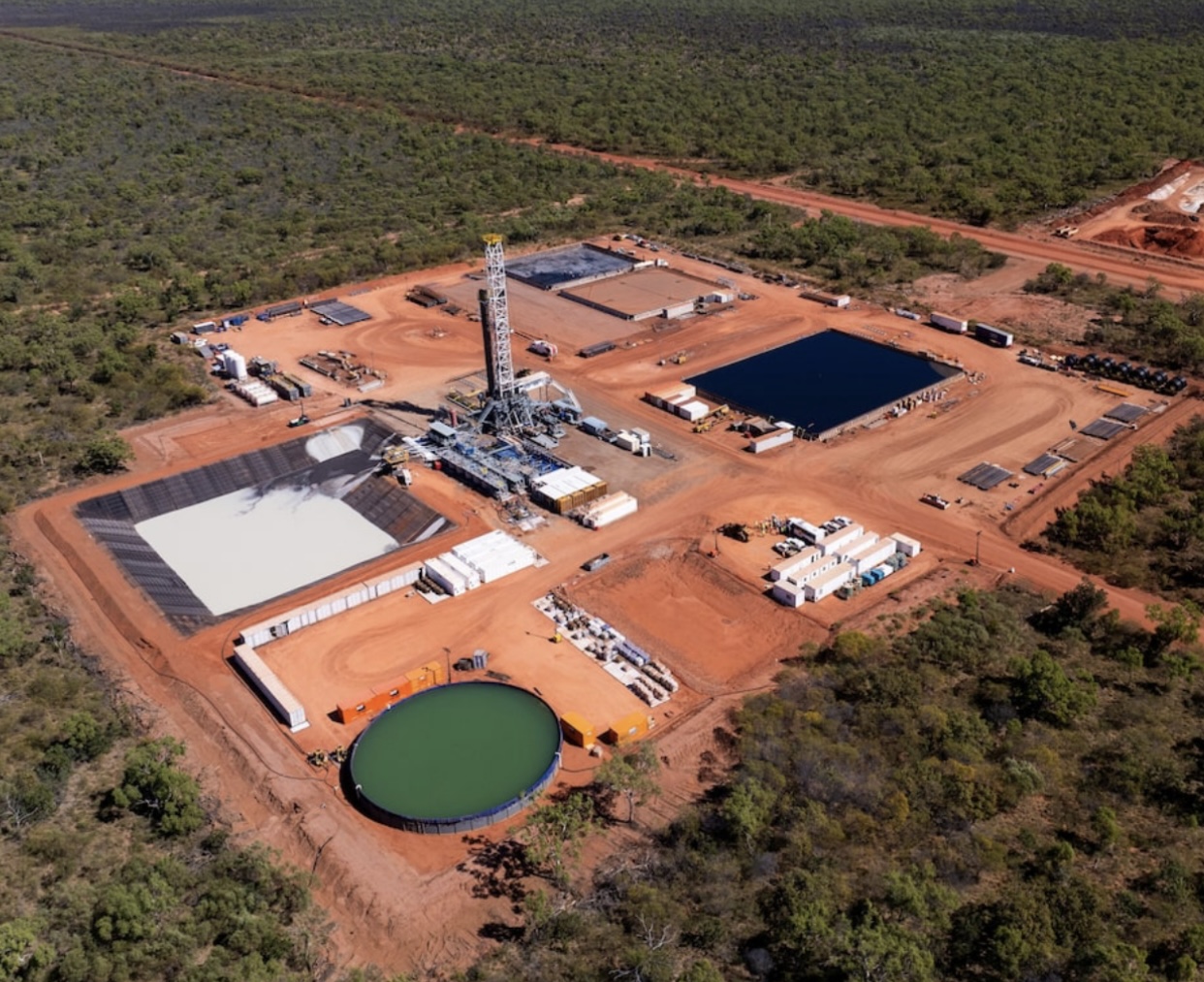
The Territory’s proposed developments lean on shale gas from the Beetaloo sub-basin, Australia’s only shale gas province, which sits 500 km south of Darwin and shipped its first commercial volumes this week. Consequently, backers say a nearby fuel source lets developers build generation right at the site.
According to Jason Finlay, a partner at consultancy Vantage North Group, a developer with land and an energy source can generate behind the meter next to the facility. Moreover, he said that means no connection application, no augmentation works and no four-to-eight-year wait on someone else’s transmission line.
Speed against real risks
The contrast with the east is stark. According to Beetaloo Energy CEO Alex Underwood, developers there basically cannot get a data centre connection anymore. Furthermore, his company’s Beetaloo Digital arm holds exclusive Territory rights to a site 30 km from Darwin, where a planned 2-gigawatt campus would need about 200 terajoules of gas a day per gigawatt.
However, supply is only just ramping up. Specifically, Tamboran Resources began piping 40 terajoules a day to Darwin on Tuesday, and Beetaloo Energy plans to add another 15 terajoules later this year. Therefore, current flows still fall well short of a full-scale campus.
Still, the economics demand caution. Nevertheless, Finlay warned the strategy carries heavy risk and suits only deep-pocketed players able to fund generation, gas supply and a data centre at once. Ultimately, the Territory’s promoters are betting that speed to power, rather than grid access, becomes the decisive edge in Australia’s data centre race.