

KEY POINTS
- ExxonMobil plans more offshore exploration.
- Liza gas to support 300MW power plant.
- Guyana targets wider industrial growth.
ExxonMobil expects offshore exploration and expanded natural gas development to remain important drivers of Guyana’s economic growth over the next decade as the South American country seeks to build on its rapidly expanding energy sector.
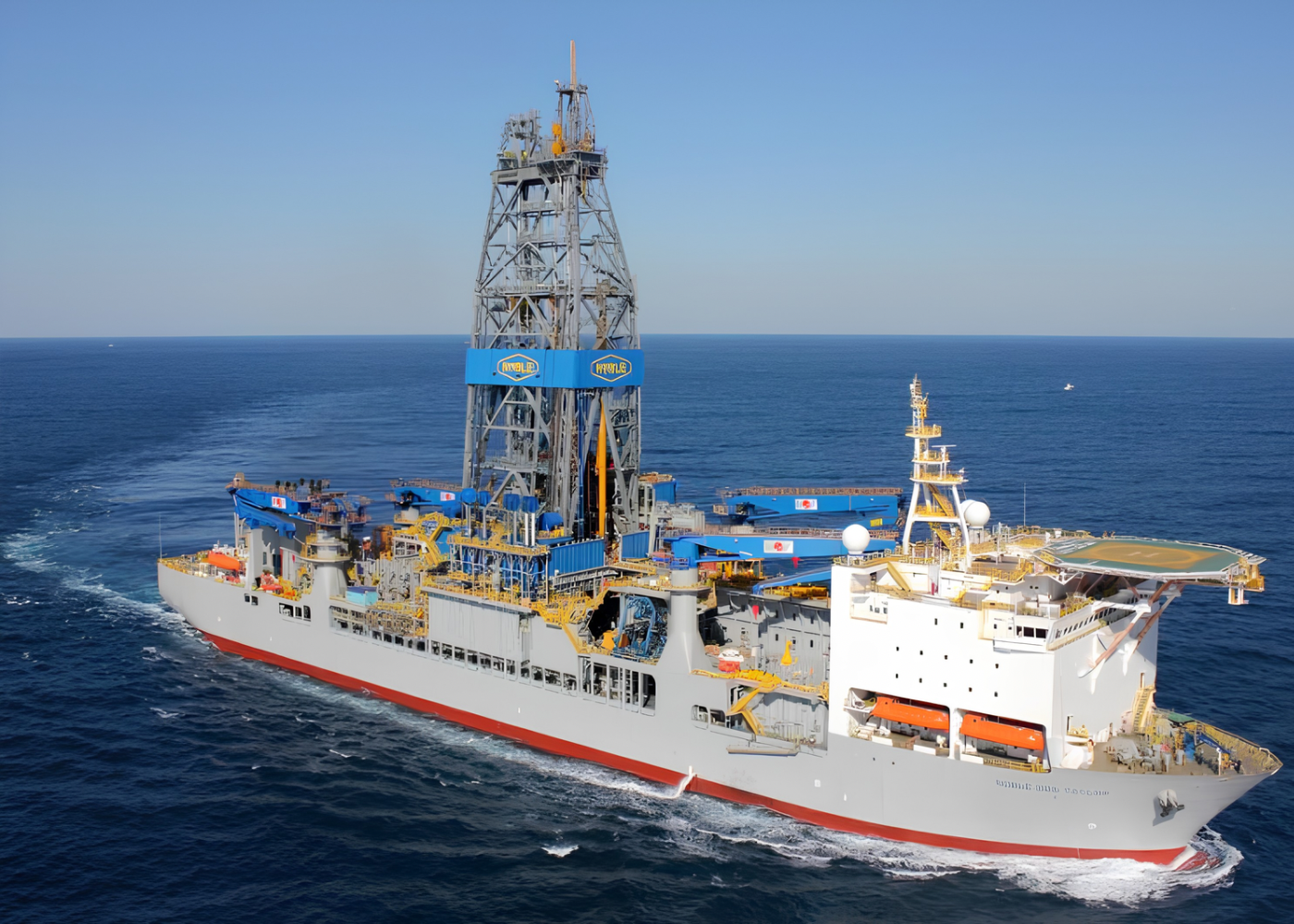
The company plans to continue exploring and appraising discoveries in the Stabroek Block, where a series of major oil discoveries has established Guyana as an increasingly important producer in the global energy market.
The continued exploration programme is expected to help create a pipeline of future oil developments while providing the foundation for additional investment in offshore production and related infrastructure.
Beyond crude oil, ExxonMobil sees natural gas becoming increasingly important to Guyana’s economic development.
Gas from the Liza field is expected to supply about 50 million cubic feet per day to an integrated gas processing facility at Wales. The facility is expected to support a 300-megawatt power plant, helping strengthen domestic electricity supply.
The project could provide Guyana with a more reliable source of energy while reducing the limitations associated with electricity generation and supporting wider economic activity.
Longer term, the proposed Berbice gas pipeline could transport significantly larger volumes of natural gas to onshore facilities.
The infrastructure could create opportunities for industries that require reliable and relatively affordable supplies of gas and electricity.
ExxonMobil Guyana President Alistair Routledge said natural gas could help the country generate greater value from its domestic resources rather than relying primarily on crude oil exports.
The availability of gas and dependable electricity could support industrial projects and attract new investors to Guyana. According to Routledge, industries such as fertiliser production and alumina processing could benefit from increased gas availability.
Fertiliser manufacturing could also support Guyana’s agricultural sector by improving access to inputs needed to increase food production.
Reliable energy supplies could similarly help develop processing industries, allowing Guyana to add more value to its natural and agricultural resources before exporting them.
The expansion of gas infrastructure could therefore create opportunities beyond the traditional oil and gas sector. According to Routledge, industries such as fertiliser production and alumina processing could benefit from increased gas availability. ExxonMobil’s continued focus on exploration and appraisal in the Stabroek Block is expected to maintain the flow of potential offshore developments.
Exploration success could provide the company and its partners with additional resources to develop, supporting long-term production and investment.
For Guyana, continued offshore activity could generate additional government revenue, employment opportunities and demand for local services as the country’s energy industry expands. The combination of offshore exploration, natural gas development and new energy infrastructure could help Guyana diversify its economy.
Although crude oil has become central to the country’s economic transformation, greater use of natural gas could support electricity generation, manufacturing, agriculture and other industries.
The development of gas-based industries could also help the country capture more value domestically rather than depending heavily on exporting raw petroleum resources.
With further exploration and infrastructure investment, Guyana’s energy sector could therefore become a platform for broader industrial development over the coming decade.
.