

KEY POINTS
- University installs 8,500 solar panels.
- Renewables to provide about 80% of power.
- Project could save R10m yearly.
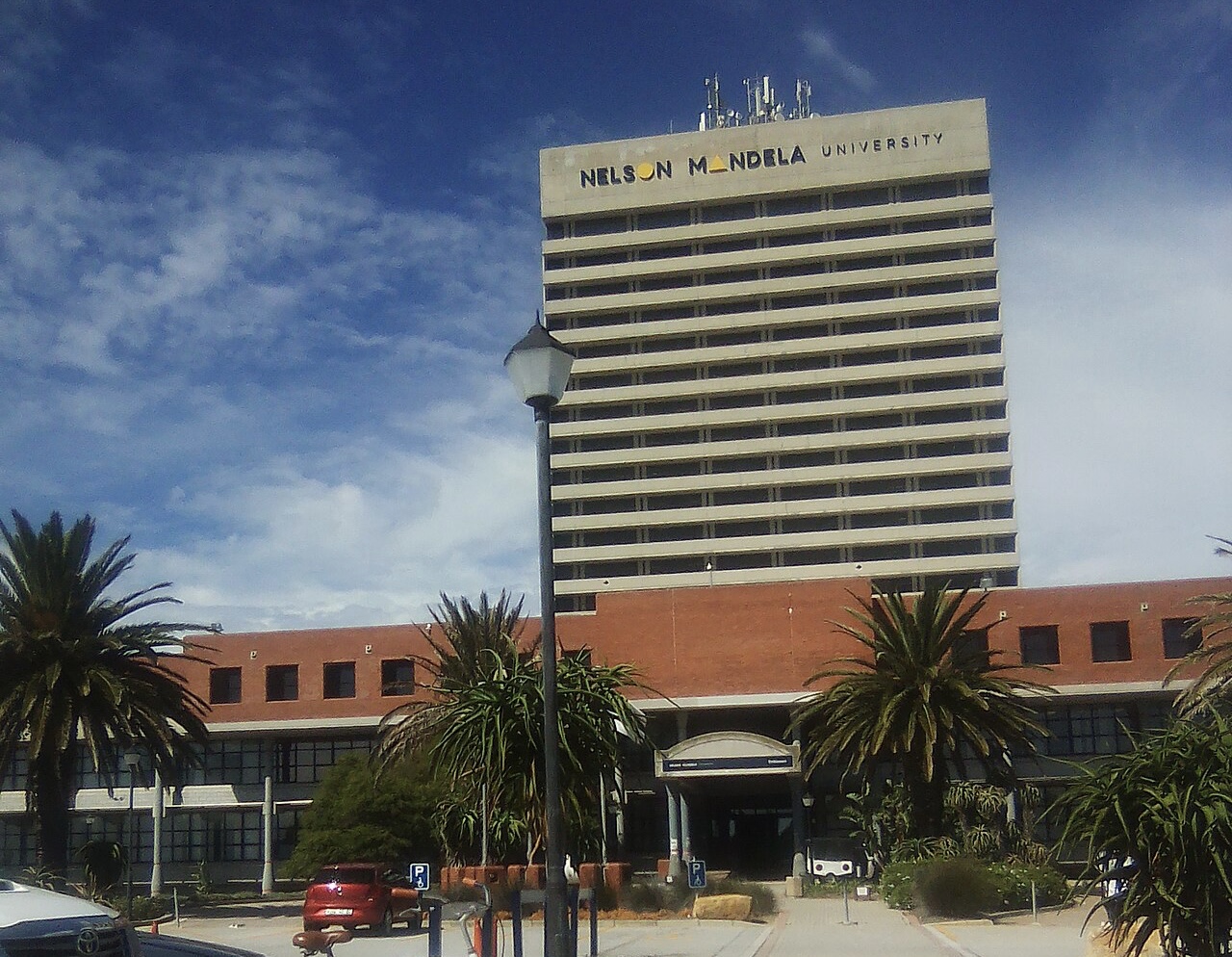
Nelson Mandela University in South Africa’s Eastern Cape is set to significantly reduce its dependence on Eskom after installing a 4.4 megawatt solar photovoltaic system across its seven campuses.
The renewable energy project will feature about 8,500 solar panels and is expected to begin supplying electricity to the university by May 2027.
The project forms part of a 10-year renewable electricity agreement between the university and Cape Town-based electricity supplier Etana Energy, as the institution seeks to improve energy security, lower electricity costs and reduce its carbon footprint.
Once fully operational, the solar system is expected to provide between 25% and 30% of the university’s electricity requirements.
Nelson Mandela University sustainability engineer Andre Hefer said the university would purchase another 50% to 55% of its electricity directly from Etana’s renewable energy sources.
Combined with the electricity generated by the new solar installation, renewable energy is expected to account for about 80% of the institution’s total power supply. Eskom will provide the remaining electricity.
The university is also strengthening its generator infrastructure to provide centralised backup power during outages, reducing the potential disruption to teaching, research and other campus activities. The solar project is expected to deliver substantial financial savings for the university.
Nelson Mandela University currently spends about R60 million annually on electricity supplied by Eskom. The new renewable energy arrangement is expected to save between R8 million and R10 million every year once fully implemented.
The savings could help the institution reduce its exposure to rising electricity costs while freeing up funds for other academic and operational priorities.
The project is also expected to improve the university’s ability to manage electricity supply more efficiently over the long term.
Emissions to fall by 12,000 tonnes
The university expects the renewable energy programme to reduce its carbon emissions by approximately 12,000 tonnes annually, based on its current electricity consumption.
The reduction will come from replacing a significant portion of electricity sourced through the traditional grid with renewable energy.
The university’s new solar project builds on an earlier 1 MW solar plant installed at its Summerstrand South Campus, which has been operating since 2019.
The expansion therefore represents a major increase in the institution’s renewable generation capacity. Under the agreement, Etana Energy will wheel renewable electricity to Nelson Mandela University through the Eskom grid serving the Nelson Mandela Bay metropolitan area.
Wheeling allows electricity generated from renewable sources to be delivered through the existing electricity network rather than requiring the university to be directly connected to each renewable energy project.
Etana CEO Evan Rice said the agreement demonstrated how large electricity users outside traditional heavy industries could support the development of new renewable energy projects.
He said universities and other public-interest institutions could play an important role in creating demand for renewable electricity and supporting additional generation capacity. Nelson Mandela University is not the only South African university seeking to reduce its dependence on Eskom.
The University of Cape Town recently signed a 10-year renewable electricity supply agreement with Discovery Green.
Under that arrangement, Discovery Green is expected to supply renewable electricity equivalent to between 70% and 90% of the consumption of UCT’s main and health sciences campuses from the third quarter of 2027.
UCT expects the agreement to reduce its carbon emissions by an estimated 33,200 tonnes of carbon dioxide equivalent each year.
Unlike Nelson Mandela University, UCT has limited space for large-scale rooftop solar installations. It will therefore receive renewable electricity generated by solar and wind farms through wheeling arrangements.