KEY POINTS
- Gauteng and KZN have the strongest resistance to Eskom’s smart meters.
- They are the last two provinces where load reduction remains.
- Eskom says smart meters can improve monitoring and demand management.
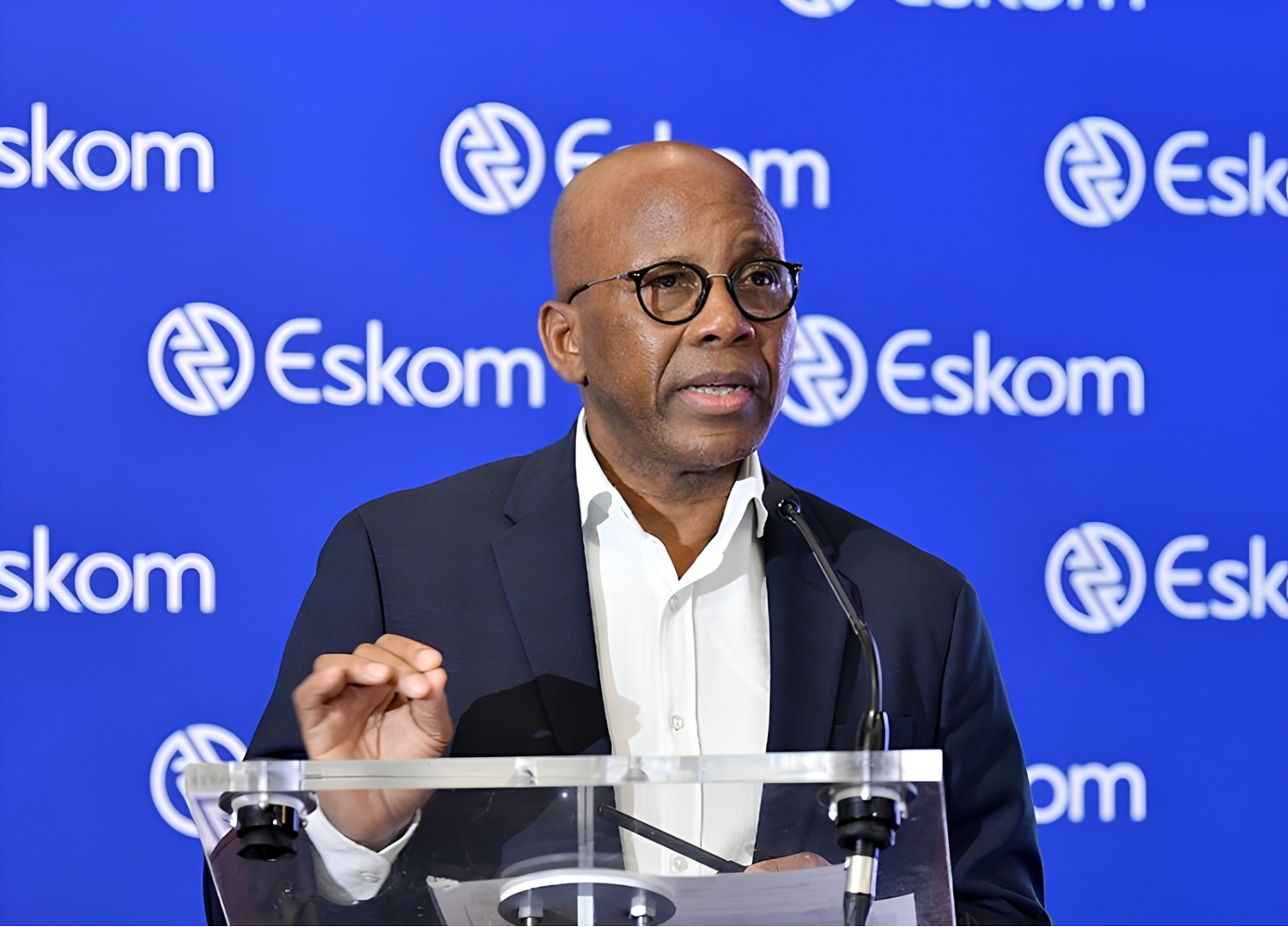
Eskom is facing its strongest resistance to the rollout of smart electricity meters in Gauteng and KwaZulu-Natal, according to the utility’s chairperson, Mteto Nyati.
The two provinces are among South Africa’s most heavily populated areas and remain the last major regions where Eskom has not fully eliminated load reduction, adding pressure to efforts to modernise electricity distribution and improve the management of power demand.
Nyati said Gauteng and KwaZulu-Natal had proved particularly difficult for Eskom as the utility works to install smart meters among electricity users.
Smart meters are designed to provide more accurate information on electricity consumption and allow utilities to monitor usage more effectively. They can also support better demand management and reduce some of the challenges associated with traditional electricity metering.
However, resistance from communities and other stakeholders has slowed the rollout in the two provinces.
The situation is significant because Gauteng and KZN account for large populations and major commercial and industrial activity, making reliable electricity supply particularly important to households and businesses.
Load reduction remains a concern
The difficulty in installing smart meters comes as Eskom continues efforts to eliminate load reduction in areas where the electricity network is under severe pressure.
Load reduction is used to manage electricity demand in specific areas when local distribution infrastructure cannot safely handle consumption levels. It differs from nationwide load-shedding, which involves planned reductions in electricity supply to balance overall demand and available generation.
According to Nyati, Gauteng and KZN are the last two provinces where load reduction has not yet been eradicated.
The continued use of load reduction in densely populated communities means residents can still experience interruptions even as South Africa’s broader electricity situation improves. The rollout of smart meters forms part of Eskom’s wider efforts to modernise its electricity distribution system.
Unlike conventional meters, smart meters can provide electricity suppliers with more detailed and timely information about consumption. This can help utilities identify unusual usage patterns, improve billing and manage electricity demand more efficiently.
Smart metering can also give consumers better information about their electricity consumption, potentially helping households manage their usage and costs.
For Eskom, wider adoption could improve its ability to understand electricity demand at the local level and plan infrastructure upgrades more effectively.
The resistance in Gauteng and KZN highlights the difficulty of implementing major electricity reforms in highly populated communities.
Eskom needs cooperation from residents, municipalities and other stakeholders to install and maintain the meters. Delays in the rollout could make it harder for the utility to achieve its broader distribution and demand-management goals.
The two provinces also contain some of the country’s largest urban centres and economic hubs, meaning electricity distribution problems can have wider consequences for businesses, households and essential services.
Nyati’s comments therefore point to a key challenge facing Eskom: improving the electricity network requires not only investment in infrastructure but also greater public acceptance of new technologies.
As Eskom continues working to end load reduction, overcoming resistance to smart meters in Gauteng and KwaZulu-Natal is likely to remain an important part of the utility’s modernisation programme.