KEY POINTS
- Bonny and Forcados produced a combined 637,440 bpd in August.
- Nigeria’s crude and condensate output rose 0.4% to 1.68 million bpd.
- Crude production hit 1.5 million bpd, meeting Nigeria’s OPEC quota for a fourth straight month.
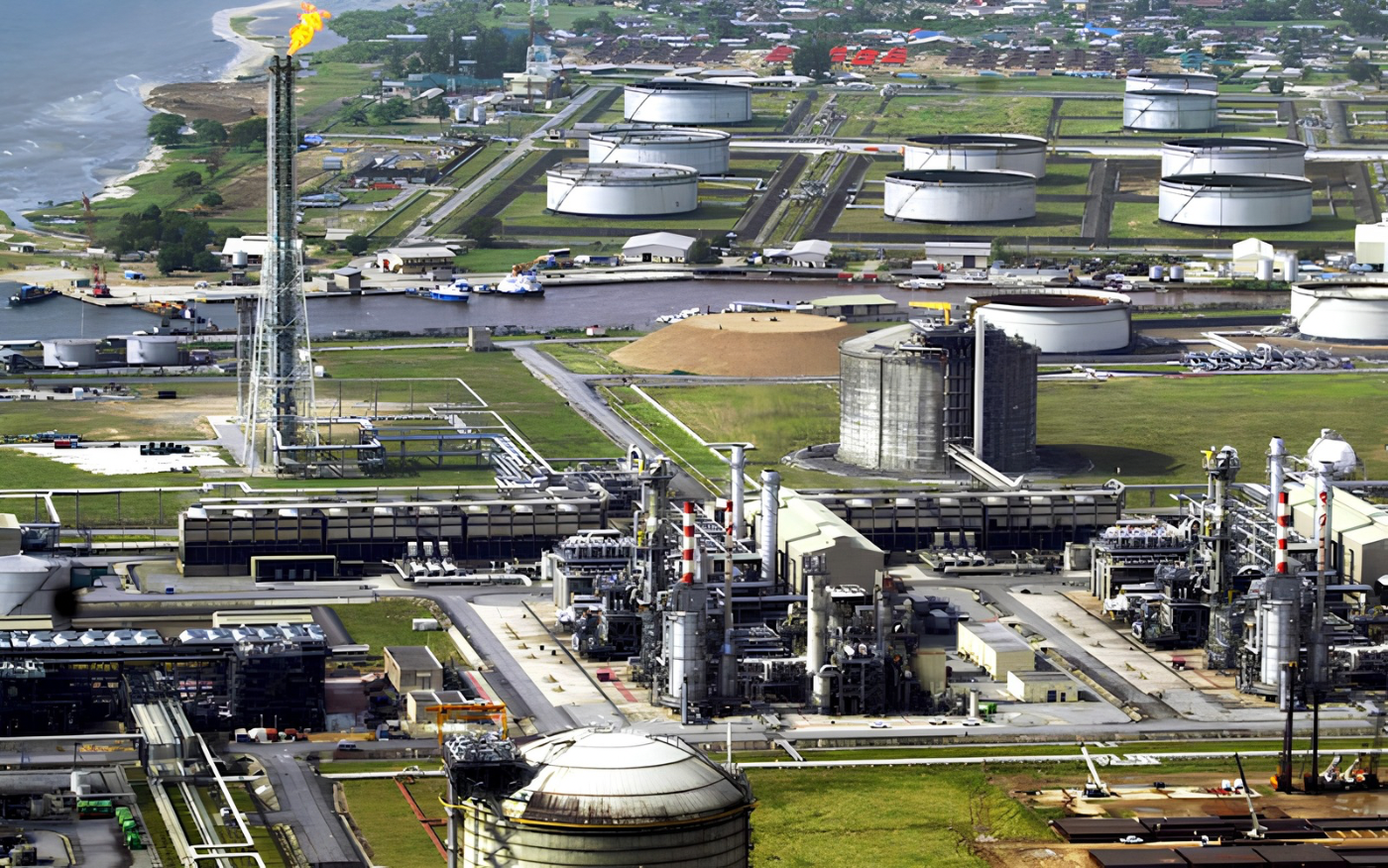
Nigeria’s Bonny and Forcados oil terminals accounted for a combined 637,440 barrels per day of crude oil and condensates in August, making them the country’s two biggest producing streams during the month, according to the Nigerian Upstream Petroleum Regulatory Commission, NUPRC.
The two terminals jointly contributed about 37.9 percent of Nigeria’s total average daily crude oil and condensate output in August, underlining their importance to the country’s upstream petroleum sector and government revenues.
The latest production figures were contained in a statement issued by NUPRC spokesperson Eniola Akinkuotu on Sunday.
Bonny Terminal recorded an average daily output of about 320,040 barrels, while Forcados followed closely with 317,400 barrels per day.
The relatively narrow gap between the two terminals shows the significant contribution both assets continue to make to Nigeria’s crude oil production. Their combined output alone was more than one-third of the country’s total crude oil and condensate production during the month.
Qua Iboe Terminal ranked third, with an average daily production of 171,720 barrels, while Escravos recorded 131,710 barrels per day.
Bonga was the fifth-highest producing stream, with average crude oil production of 92,500 barrels per day.
Nigeria’s August output rises slightly
NUPRC said Nigeria’s combined crude oil and condensate production averaged 1,677,777 barrels per day in August.
The figure represents a 0.4 percent increase from July, indicating a modest recovery in national production despite continuing operational challenges across parts of the upstream sector.
When condensates are excluded, Nigeria’s crude oil production stood at 1,500,190 barrels per day.
The figure means the country met its Organisation of the Petroleum Exporting Countries quota for the fourth consecutive month, marking continued improvement in its ability to maintain production around its agreed output level.
Daily combined crude oil and condensate production fluctuated between 1.64 million and 1.71 million barrels per day throughout August. NUPRC attributed the increase in August production largely to the resolution of operational problems involving the single buoy mooring system at the Erha field.
The commission said the disruption had negatively affected production in the preceding month. The restoration of normal operations at the field therefore helped Nigeria recover some lost production capacity in August.
NUPRC added that production activities across most other producing assets remained relatively stable during the month.
Operators continued measures aimed at improving production efficiency, maintaining the integrity of oil and gas facilities and reducing disruptions that could affect output.
The commission also said routine production and crude evacuation activities continued across the industry, supporting the modest increase recorded during the month.