

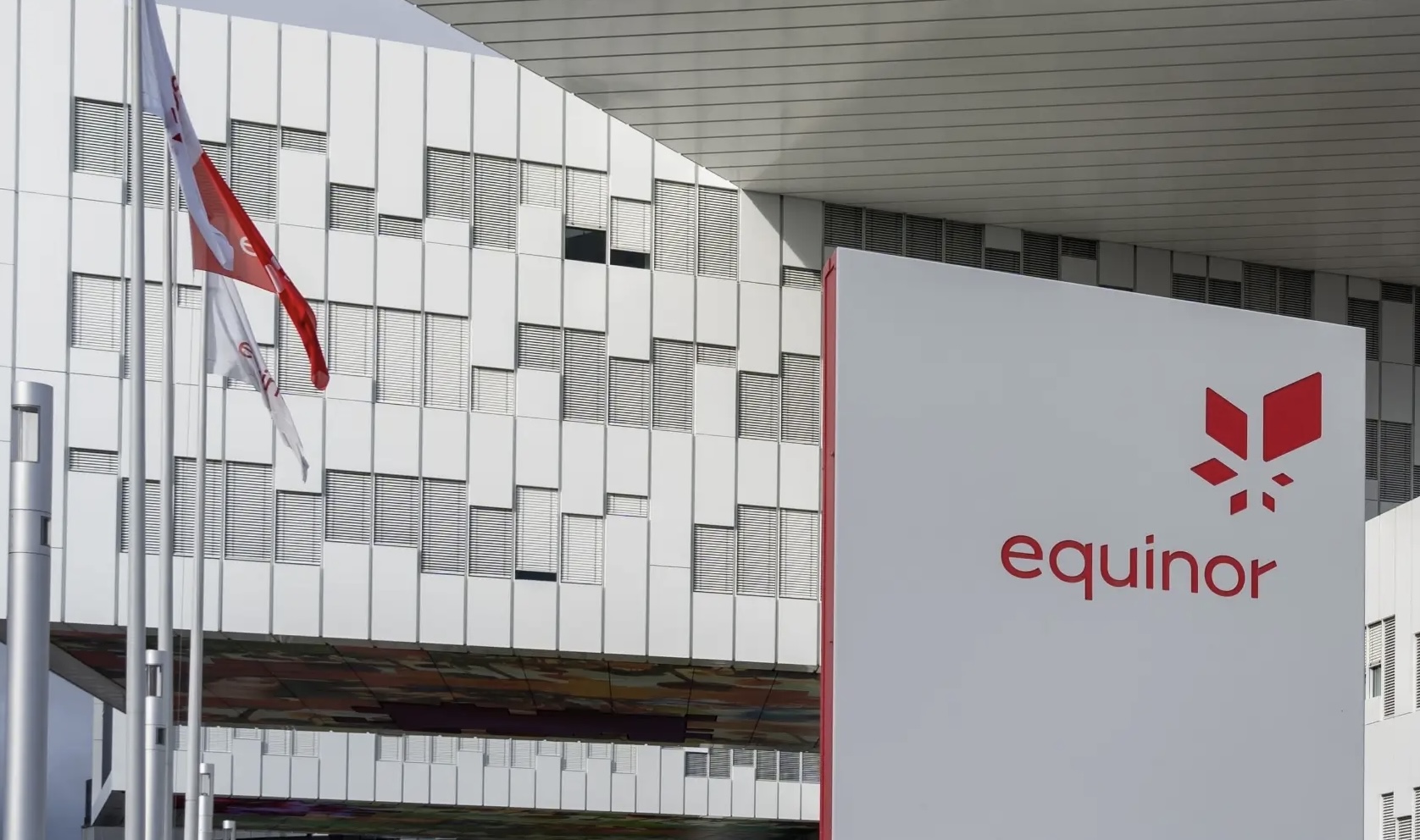
Equinor reported its strongest quarterly profit in almost four years on Wednesday as the war in the Middle East kept oil and gas prices high, with adjusted operating income of $12.35 billion for the third quarter.
Net operating income was $11.95 billion, up from $5.27 billion a year earlier, and net income was $2.54 billion. Adjusted net income was $2.86 billion, or $1.20 a share.
Equinor profit: what drove the quarter
The company said results were driven mainly by higher liquids prices and European gas prices, along with strong refining margins. Equinor realized $92.30 a barrel for liquids and $20.00 per million British thermal units for gas in Europe.
Production helped. Equity production rose 2% from a year earlier to 2.166 million barrels of oil equivalent a day, and output from international assets jumped 21%. Equinor raised its 2026 production growth forecast to about 4% from 3%.
Chief Executive Anders Opedal said high production allowed the company to “capture additional value from higher prices,” and credited safe and efficient operations.
Cash, taxes and what comes next
Cash flow from operations after taxes was $8.14 billion, after Equinor paid the first two Norwegian continental shelf tax installments for 2026, totaling $6.2 billion. Before taxes and working capital changes, operating cash flow was $14.68 billion.
Capital spending was $3.82 billion in total, including $3.28 billion of organic spending. Costs were broadly stable, with higher transport and other variable costs offset by a smaller charge tied to decommissioning estimates for a U.S. offshore asset.
The state, which holds a majority stake in Equinor, is expected to receive about 25.4 billion Norwegian kroner in dividends for 2026, according to earlier reports.
A windfall under scrutiny
The result follows a second quarter in which Equinor’s adjusted operating income nearly doubled to $11.48 billion from $6.54 billion a year earlier.
Oil prices remain high. Brent closed at $113.17 on Oct. 22, its highest close since May, as Houthi attacks on Saudi Arabia and tanker strikes kept supply fears alive.
Equinor’s gas matters most to consumers. Norway is the largest supplier of piped gas to Europe and a major supplier to Britain, where wholesale gas prices have fed into higher household bills.
Climate groups criticized Equinor’s earlier windfall, saying the company profits while energy remains costly for households. Governments are also trying to cut reliance on fossil fuels even as conflict raises the strategic value of oil and gas.
Equinor describes itself as a broad energy company moving toward lower carbon energy, but oil and gas still generate most of its revenue and drove this profit surge.
Other majors report this week, and RBC expects BP, Chevron, Exxon, Shell and TotalEnergies to post combined profits of about $53 billion.
Investors will watch how much of the windfall goes to shareholders, how much to new oil and gas projects and how much to renewables.
A profit that doubles because of a war is a measure of the war’s cost as much as the company’s skill. Equinor’s own challenge is to spend it wisely.