KEY POINTS
- Niger State and the Islamic Development Bank plan to develop a $163 million, 100MW solar power plant on about 200 hectares of land.
- The project is designed to boost electricity supply, support agriculture, agro-processing, and industrial growth.
- Project preparation has begun, but no operational timeline has been announced.
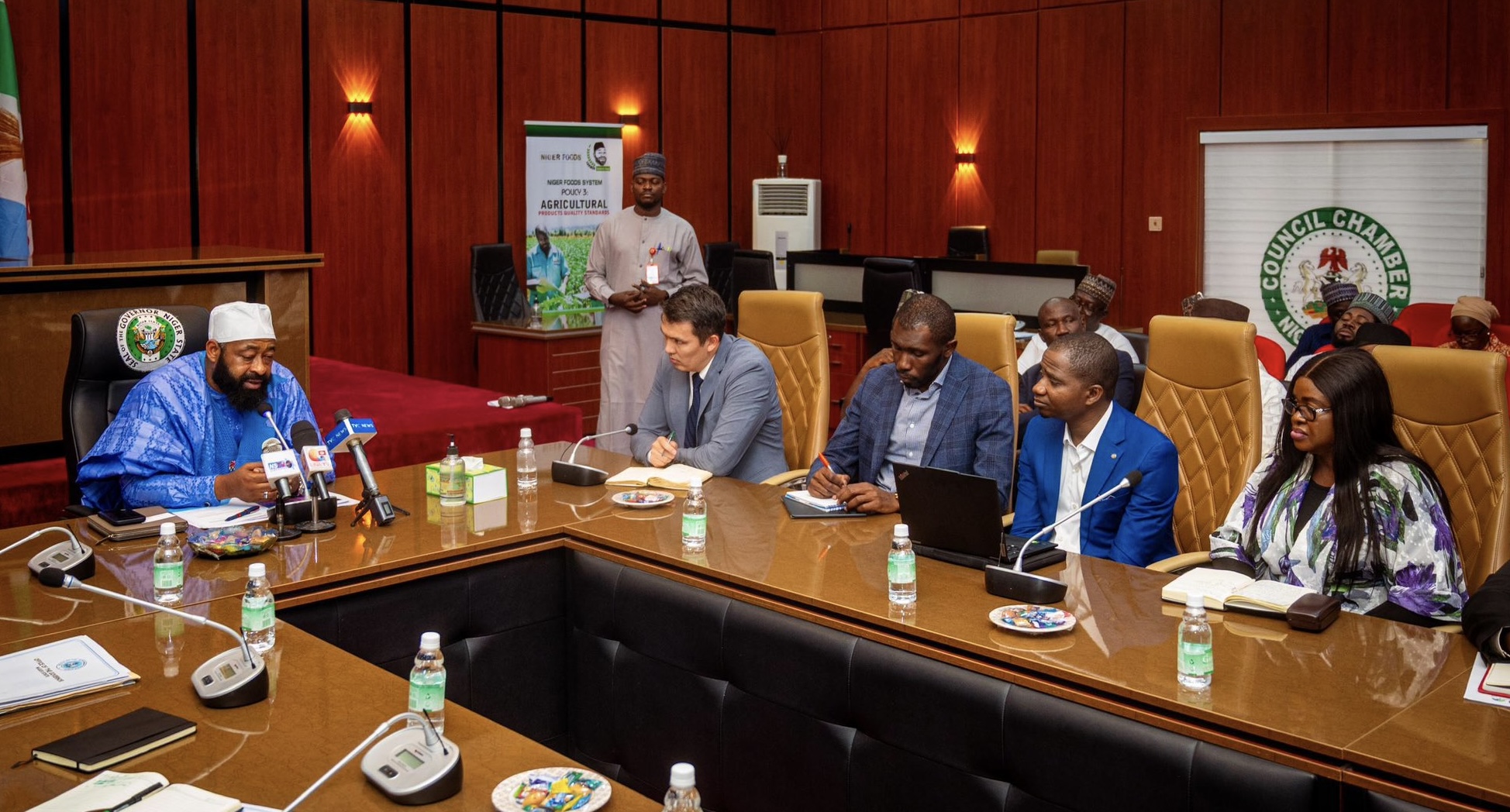
The Niger State Government has entered into a partnership with the Islamic Development Bank (IsDB) to develop a $163 million solar electrification project aimed at boosting electricity supply and supporting economic growth across the state.
The proposed project will involve the construction of a 100-megawatt (MW) solar power plant on approximately 200 hectares of land in north-central Nigeria.
When completed, the facility is expected to deliver electricity to multiple communities within Niger State, helping to address long-standing power deficits.
Project to Strengthen Agriculture and Agro-Processing
Governor Umaru Mohammed Bago said the solar plant aligns with the state’s agricultural transformation agenda, noting that reliable power is critical for food production, storage, and processing.
According to the governor, improved electricity access will enhance agro-processing activities, reduce post-harvest losses, and attract new investments into the state’s agricultural value chain. He added that the project would also stimulate industrial activity, create jobs, and expand the state’s revenue base.
Daniyar Abylkhan, leader of the Islamic Development Bank’s Task Team, said the bank is leveraging Niger State’s abundant solar resources to support clean energy generation and promote sustainable development.
He described the initiative as part of the bank’s long-standing collaboration with the state, focused on deploying renewable energy solutions that contribute to economic diversification and environmental sustainability.