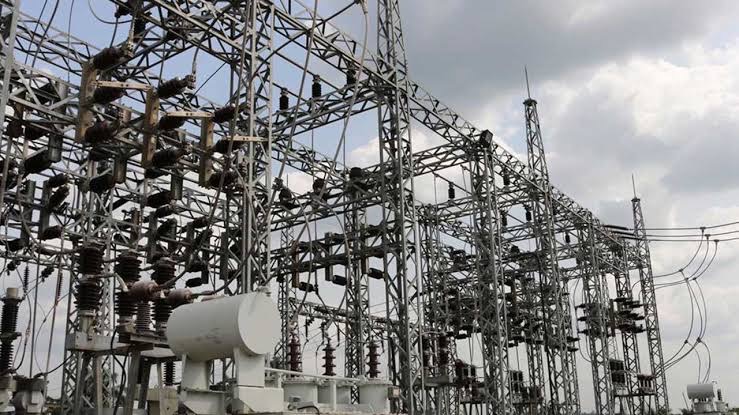
KEY POINTS
- Nigeria’s power grid was designed for a smaller, simpler economy and no longer matches today’s energy demand.
- Weak transmission capacity imposes hidden costs on businesses and fuels economic inefficiency.
- Building a modern, decentralised, and resilient grid is essential for sustainable growth.
When much of the national transmission infrastructure was conceived decades ago, Nigeria’s economy was smaller, less industrialised, and far less digitally connected.
Today, Africa’s largest economy is powered by data centres, telecom towers, manufacturing clusters, fintech hubs, and a rapidly expanding population. Yet, the backbone carrying electricity across the country still reflects an earlier era.
The result is a widening mismatch between what Nigeria’s economy demands and what its power grid can reliably deliver.
A Grid Designed for a Simpler Energy Landscape
Nigeria’s national grid was built around large, centralised power stations transmitting electricity over long distances to consumers. This model worked reasonably well when generation volumes were low and demand patterns were predictable.
But today’s energy ecosystem is far more complex. Power now comes from a mix of hydro, gas, embedded generation, independent power plants, and captive industrial sources. The grid, however, has not evolved at the same pace.
Most transmission corridors remain overstretched, ageing, and technically fragile, making the system vulnerable to frequent collapses and voltage instability.
Economic Growth Has Outpaced Transmission Capacity
Nigeria’s electricity generation capacity has grown gradually over the years, but transmission capacity has not kept up in a meaningful way.
This imbalance means that even when power plants generate electricity, the grid often lacks the strength to evacuate and distribute it efficiently. Power is either constrained, rejected, or lost along the way.
For businesses, this translates into unreliable supply, production disruptions, and heavy dependence on self-generation mostly through diesel and petrol generators.
The Hidden Tax on Nigerian Businesses
Manufacturers spend heavily on fuel, maintenance, and backup power systems. Small businesses factor energy costs into prices. Startups divert capital from growth to survival.
These costs are eventually passed on to consumers, contributing to inflation and weakening Nigeria’s competitiveness compared to countries with stable electricity. In effect, Nigeria’s grid weakness is not just an energy problem, it is an economic handicap.
Centralisation Is Becoming a Liability
Mini-grids, embedded generation, and regional power markets allow electricity to be produced closer to where it is consumed. This reduces pressure on national transmission networks and improves reliability.
Nigeria’s grid, however, remains heavily centralised. When a major transmission node fails, large sections of the country can lose power simultaneously. This structure magnifies small technical faults into nationwide crises.