KEY POINTS
- Ikeja Electric has ordered traders operating under high-voltage lines in Lagos to vacate immediately.
- The company says such activities are illegal and pose risks including electrocution, fires, and severe injuries.
- Defaulters risk demolition, loss of property without compensation, and prosecution.
Ikeja Electric Plc has issued a public warning to traders, artisans, and shop owners operating beneath high-voltage electricity lines across Lagos, urging them to vacate immediately or risk demolition, property loss, and prosecution.
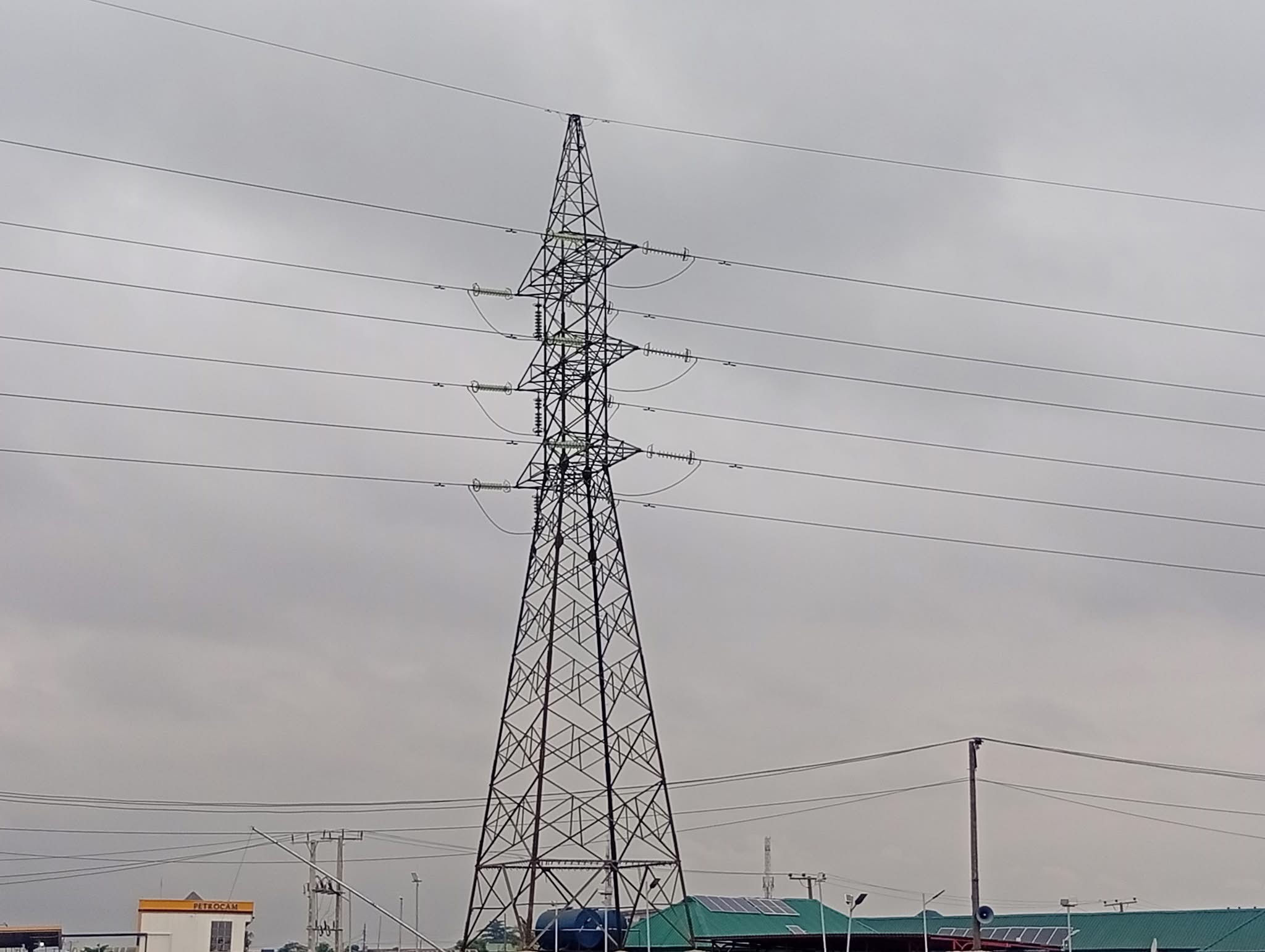
The utility company described the erection of kiosks, stalls, and other structures under 11kV, 33kV, 132kV, and 330kV lines as illegal and extremely dangerous, stressing that such actions violate safety regulations and put lives at risk.
The firm explained that conducting business or daily activities within power line corridors exposes individuals to severe hazards including fatal electrocution, fires, and serious injuries, especially during rainfall. It warned that electricity can arc from high-voltage lines even without physical contact, meaning people in close proximity remain at risk regardless of precautions taken.
Affected areas already identified
The company disclosed that it has detected new cases of illegal encroachment in several locations, specifically mentioning Shogbesan Street in Alimosho and AIT Road in Alagbado. It stated that these zones fall within restricted right-of-way corridors where construction or commercial activity is prohibited under state safety laws.
Ikeja Electric cautioned that anyone who ignores the directive may face immediate removal of structures, confiscation or destruction of property without compensation, and possible legal prosecution. The company urged business operators to relocate quickly and advised residents to report unsafe developments near electricity infrastructure to relevant authorities.
The utility reaffirmed its commitment to protecting lives and property and said it will continue working with stakeholders to prevent avoidable accidents linked to unsafe practices around power installations. It concluded that public safety is a shared responsibility and no business activity is worth risking human life.