KEY POINTS
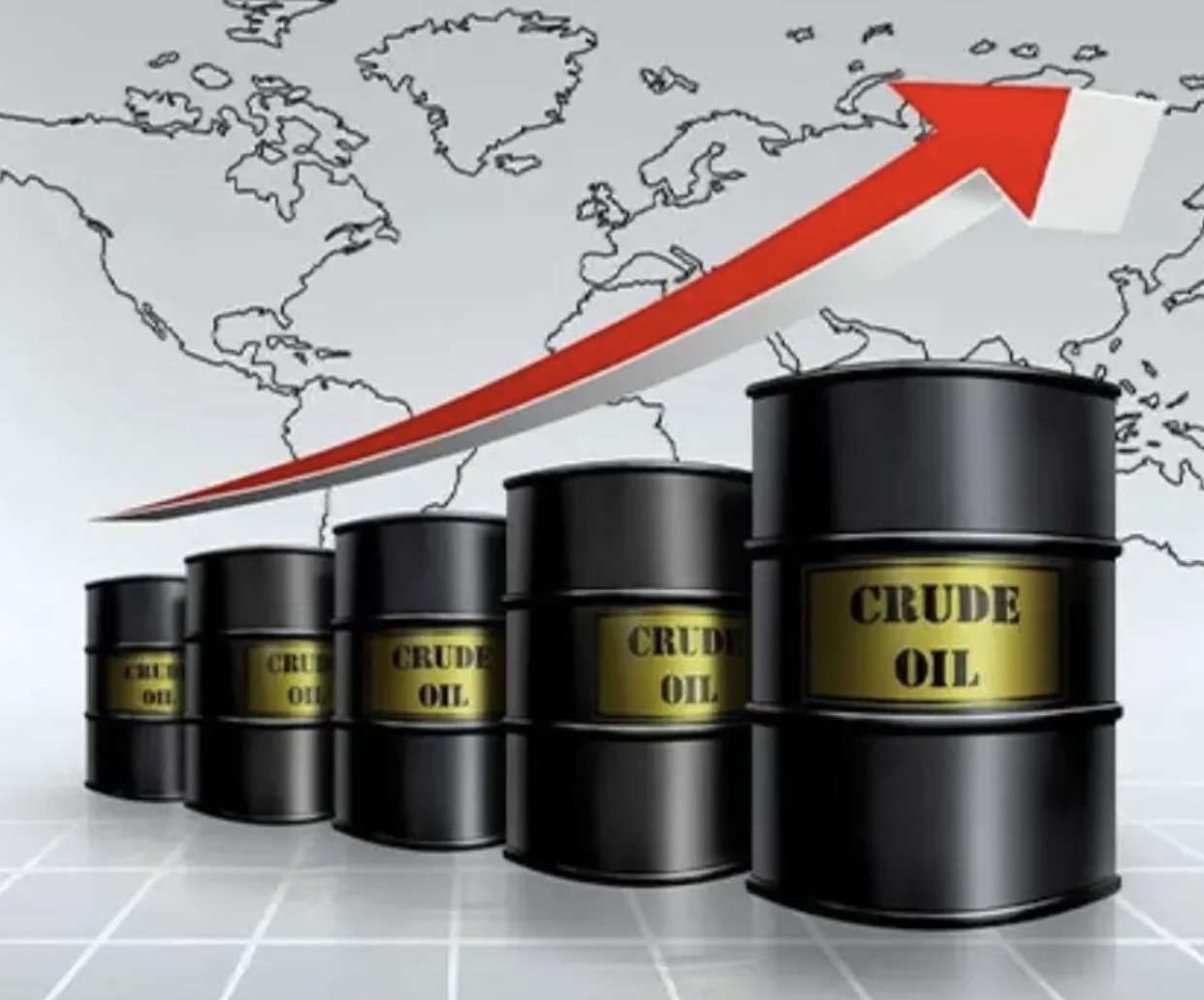
- Brent crude rose nearly 5 percent to $96.45 per barrel after Iran intensified attacks on oil and transport facilities across the Middle East.
- Concerns over the security of the Strait of Hormuz, which carries about 20 percent of global oil supply, are driving market volatility.
- The International Energy Agency plans to release 400 million barrels from strategic reserves, including 172 million barrels from the United States, to stabilise global oil markets
Global oil prices climbed sharply on Thursday after Iran intensified attacks on oil and transportation facilities across the Middle East, raising fears of a prolonged regional conflict and potential disruptions to critical global energy supply routes.
Brent crude futures surged by $4.47, representing a 4.86 percent increase, to reach $96.45 per barrel by 07:33 GMT. Earlier in the session, the benchmark briefly touched the $100 mark before easing slightly. At the same time, U.S. West Texas Intermediate (WTI) crude rose by $4.05, or 4.64 percent, to $91.30 per barrel, reflecting growing concerns among investors about instability in one of the world’s most important oil-producing regions.
The surge in prices comes as hostilities escalate between Iran and its adversaries, with reports of strikes targeting key oil infrastructure and maritime transport routes across the Middle East. The developments have renewed fears about the security of the Strait of Hormuz, a narrow but strategically vital waterway through which roughly one-fifth of global oil supply passes daily.
Energy traders and analysts say the sharp rise in oil prices highlights the market’s sensitivity to geopolitical risks in the Gulf region. Any threat to oil flows through the Strait of Hormuz is widely regarded as a major risk to global energy security, capable of triggering significant price volatility.
Brent crude had earlier surged to $119.50
Earlier this week, Brent crude prices had already surged to $119.50 per barrel on Monday, the highest level since mid-2022. However, prices retreated after comments by U.S. President Donald Trump suggested that the conflict involving Iran could soon come to an end, temporarily easing market concerns.
Iranian officials have since warned that oil prices could climb significantly higher if tensions continue to escalate. A spokesperson for Iran’s military command stated that the destabilisation of regional security could push oil prices dramatically upward, even suggesting that prices could reach as high as $200 per barrel if the situation worsens.
Market analysts also note that there are currently few signs of de-escalation in the region. Analysts at ING warned that the only sustainable way to bring oil prices down would be the full restoration of oil flows through the Strait of Hormuz. Without such assurances, they cautioned that current price levels may not represent the peak of the market rally.
The ongoing conflict has also heightened concerns about maritime security in the region. On Wednesday, two foreign tankers transporting Iraqi fuel oil were attacked in Iraqi territorial waters, resulting in fires onboard the vessels. The incident was confirmed by Farhan al-Fartousi, director general of Iraq’s General Company for Ports.
Iraqi security officials believe the attacks may have been carried out using explosive-laden boats suspected to have originated from Iran. The incident has further underscored the vulnerability of oil transport routes in the Gulf and the potential for disruptions to global energy markets.
Historically, tensions involving Iran and the United States have repeatedly triggered spikes in oil prices, particularly when threats emerge against shipping lanes in the Strait of Hormuz. Even short-lived incidents in the region have historically sent shockwaves through global energy markets due to the sheer volume of oil that passes through the corridor.
In response to rising concerns about supply shortages, the International Energy Agency (IEA) has announced plans for a coordinated release of strategic petroleum reserves among member countries. The agency said a record 400 million barrels will be released to help stabilise global oil markets and cushion the impact of supply disruptions.