KEY POINTS
- Iranian missile strikes caused significant damage to Qatar’s Ras Laffan gas facility, a key global LNG hub
- Qatar expelled Iranian military attaches, calling the attack a violation of sovereignty and national security
- Rising tensions in the Gulf could drive global energy prices higher and deepen regional instability
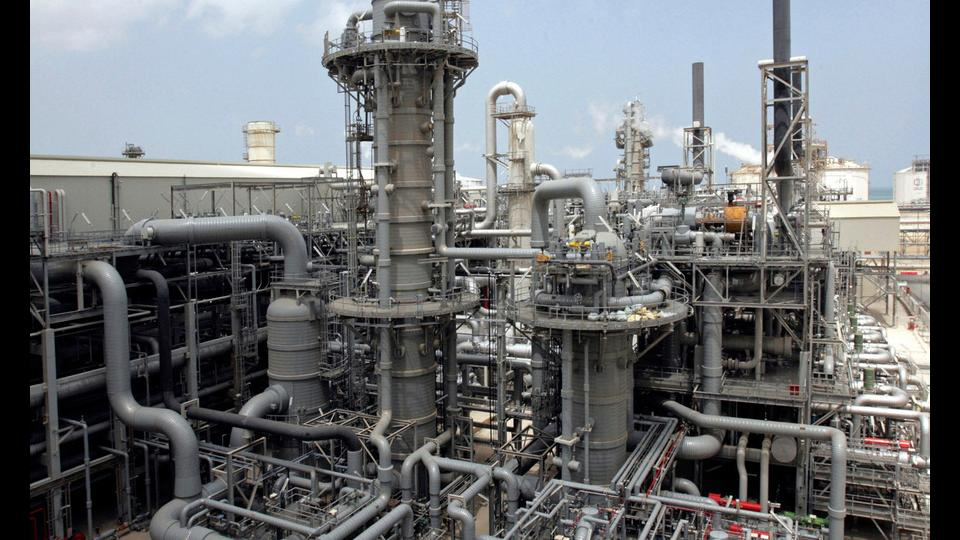
The government of Qatar has confirmed that Iranian missile strikes caused significant damage to the Ras Laffan Industrial City, the country’s primary gas production hub. Authorities said the attack triggered fires across the facility, raising concerns over energy security in the region.
Officials from QatarEnergy stated that all personnel were accounted for and no injuries were recorded. While initial fires were brought under control, subsequent assessments revealed that additional liquefied natural gas facilities were also hit, leading to more extensive damage.
In response to the attack, Qatar declared Iranian embassy military and security attaches persona non grata, ordering them to leave the country within 24 hours. The foreign ministry described the strike as a violation of sovereignty and a serious threat to national security, accusing Iran of escalating tensions in the region.
Attack linked to wider US-Israel-Iran conflict
The strike followed threats from Iran to target oil and gas infrastructure across the Gulf, in retaliation for Israeli attacks on its South Pars gas field. The broader conflict involving the United States and Israel has heightened fears of a regional energy crisis and wider military escalation.
French President Emmanuel Macron said he had spoken with Qatar’s Emir, Sheikh Tamim bin Hamad Al Thani, and former US President Donald Trump, urging an immediate halt to attacks on civilian infrastructure. He stressed the need to protect energy supplies and prevent further escalation.
Ras Laffan, located northeast of Doha, is the world’s largest LNG production site, responsible for roughly 20 percent of global supply. The facility had already suspended production earlier in March following prior attacks, limiting immediate global supply disruptions but raising long-term concerns.
Analysts warn that continued instability could push LNG prices higher, affecting markets in Europe and Asia. Countries heavily reliant on LNG imports, particularly in the Global South, may face economic strain as energy costs rise.