KEY POINTS
- IEA says over 40 energy facilities across nine Middle East countries have been heavily damaged by conflict.
- Disruptions to oil fields, refineries, and pipelines have nearly halted shipping through the Strait of Hormuz.
- The agency plans to release 400 million barrels from emergency reserves to stabilize global energy supply.
The International Energy Agency, IEA, has revealed that more than 40 energy assets across nine Middle East countries have been severely or very severely damaged amid the ongoing conflict in the region.
The affected facilities include oil fields, refineries, and pipelines, raising concerns about prolonged disruptions to global energy supply chains.
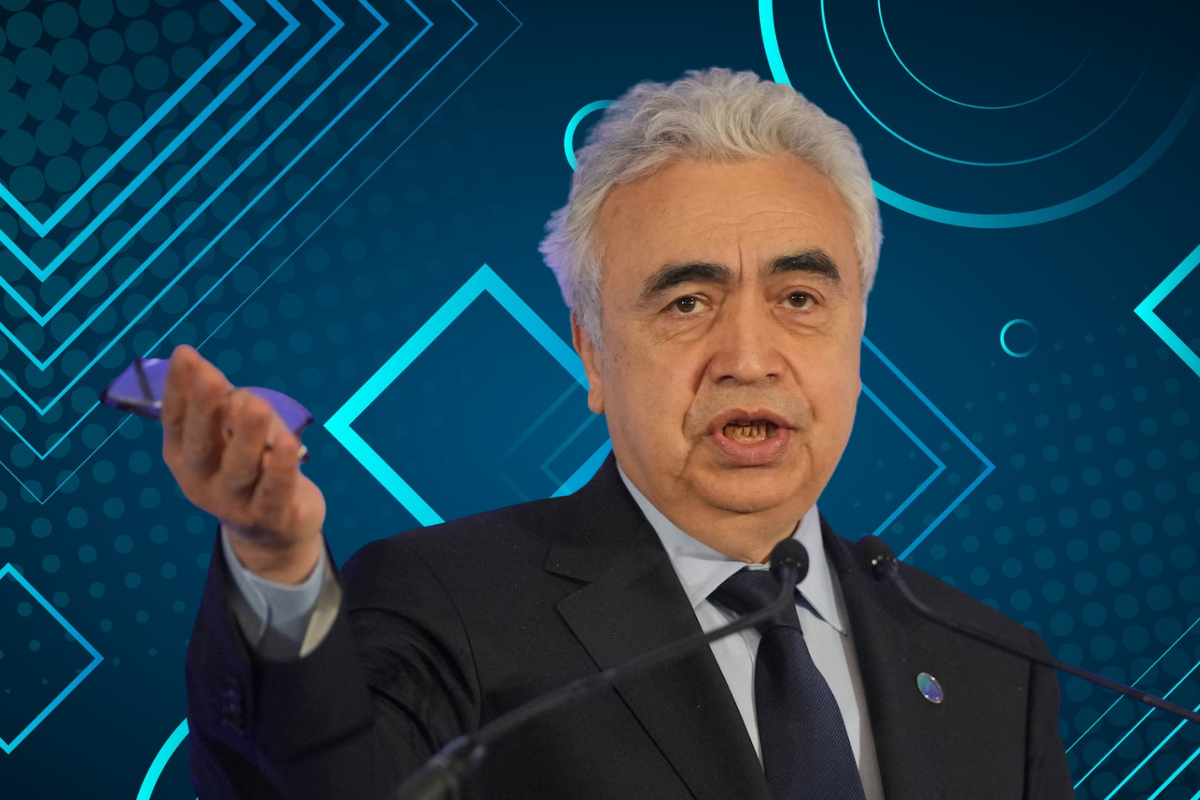
IEA Executive Director Fatih Birol warned that it could take significant time for damaged infrastructure to return to normal operations.
He said more than three weeks of fighting have disrupted the entire energy supply chain and nearly halted shipping through the Strait of Hormuz, a key route for global oil exports. According to him, the scale of disruption is comparable to the oil crises of the 1970s combined with the 2022 natural gas crisis.
Asia particularly vulnerable to supply shock
Birol noted that Asian economies are especially affected because of their heavy reliance on energy supplies from the Middle East. He also cautioned countries against imposing unjustified export restrictions, warning that such measures could worsen the global energy crisis and further disrupt trade.
To cushion supply shocks, the IEA said it plans to release 400 million barrels of oil from emergency reserves. Birol added that additional reserves could be deployed if disruptions persist. The agency emphasized that restoring shipping through the Strait of Hormuz is critical to stabilizing global energy flows.
The Strait of Hormuz has been effectively disrupted since early March. The channel normally handles about 20 million barrels of oil daily, and the interruption has increased shipping costs and pushed global oil prices higher. The ongoing conflict continues to threaten one of the most vital arteries of the global economy.