KEY POINTS
- Angola’s Cabinda refinery has begun shipping diesel locally and fuel oil internationally this week.
- The 30,000-bpd facility is Angola’s first new refinery built in 50 years.
- Gemcorp is targeting a final investment decision on a $700 million expansion by year-end.
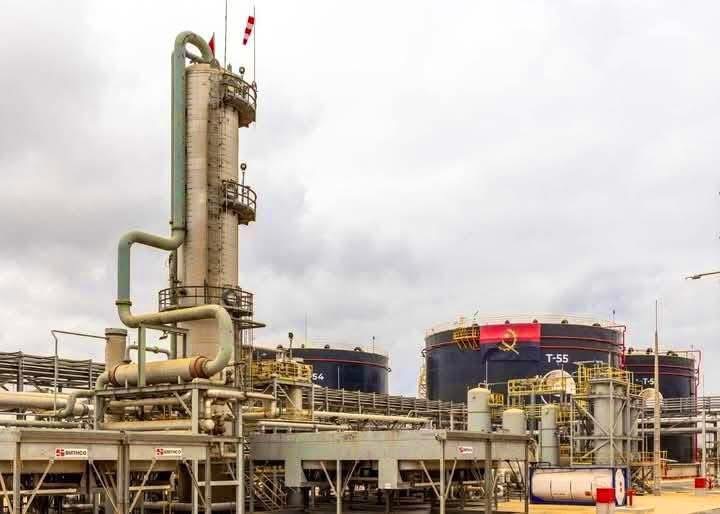
The Cabinda refinery, the first built in Angola since the country won independence from Portugal 50 years ago, has begun shipping diesel to the domestic market and naphtha and heavy fuel oil to international buyers. The news lands at a moment when Middle East supply disruptions are squeezing fuel markets globally.
Gemcorp Capital, the London-based investment firm that owns 90% of the refinery, confirmed the shipments. Gemcorp founder and CEO Atanas Bostandjiev said the timing has vindicated the original investment logic.
“The very core of the investment thesis for this refinery was energy security for Angola,” Bostandjiev told Bloomberg. “Fast forward this to what we’re seeing geopolitically, with the crisis in the Middle East, that whole thesis now got validated.”
A modest but meaningful start
The Cabinda refinery processes 30,000 barrels per day. At that output, it is capable of meeting roughly one tenth of Angola’s domestic fuel demand. The numbers are modest compared to Africa’s largest refinery, the 650,000-barrel-per-day Dangote facility in Nigeria, but the strategic value is real.
Angola has long exported crude oil while importing refined fuels, a pattern that has cost the continent billions in value over decades. Cabinda is one of two new facilities, alongside Dangote in Nigeria, now beginning to chip away at that dynamic.
Angola’s only other refinery sits in the capital Luanda and is operated by state-owned oil firm Sonangol. Cabinda gives the country a second processing point for the first time in half a century.
The expansion decision and what comes next
The Cabinda refinery cost $470 million to build. Gemcorp is now eyeing a second phase that would double capacity to 60,000 barrels per day at an estimated cost of $700 million. Bostandjiev said the firm is targeting a final investment decision on the expansion before the end of 2026.
Africa’s refining gap has been a long-standing structural problem. Angola and Nigeria are now moving in the same direction at the same time, building domestic processing capacity that keeps more value inside the continent rather than shipping it out as unrefined crude.