KEY POINTS
- NERC inaugurated the Forum of Nigerian Electricity Regulators to coordinate national and state electricity oversight
- The forum will harmonise tariffs, market rules, and consumer protection across Nigeria’s evolving power market
- Move comes amid worsening outages caused by gas shortages, debts, and instability in Nigeria’s power supply chain
The Nigerian Electricity Regulatory Commission, NERC, has inaugurated a new forum designed to strengthen coordination and improve effectiveness in electricity regulation across Nigeria, as the country continues to grapple with worsening power supply challenges.
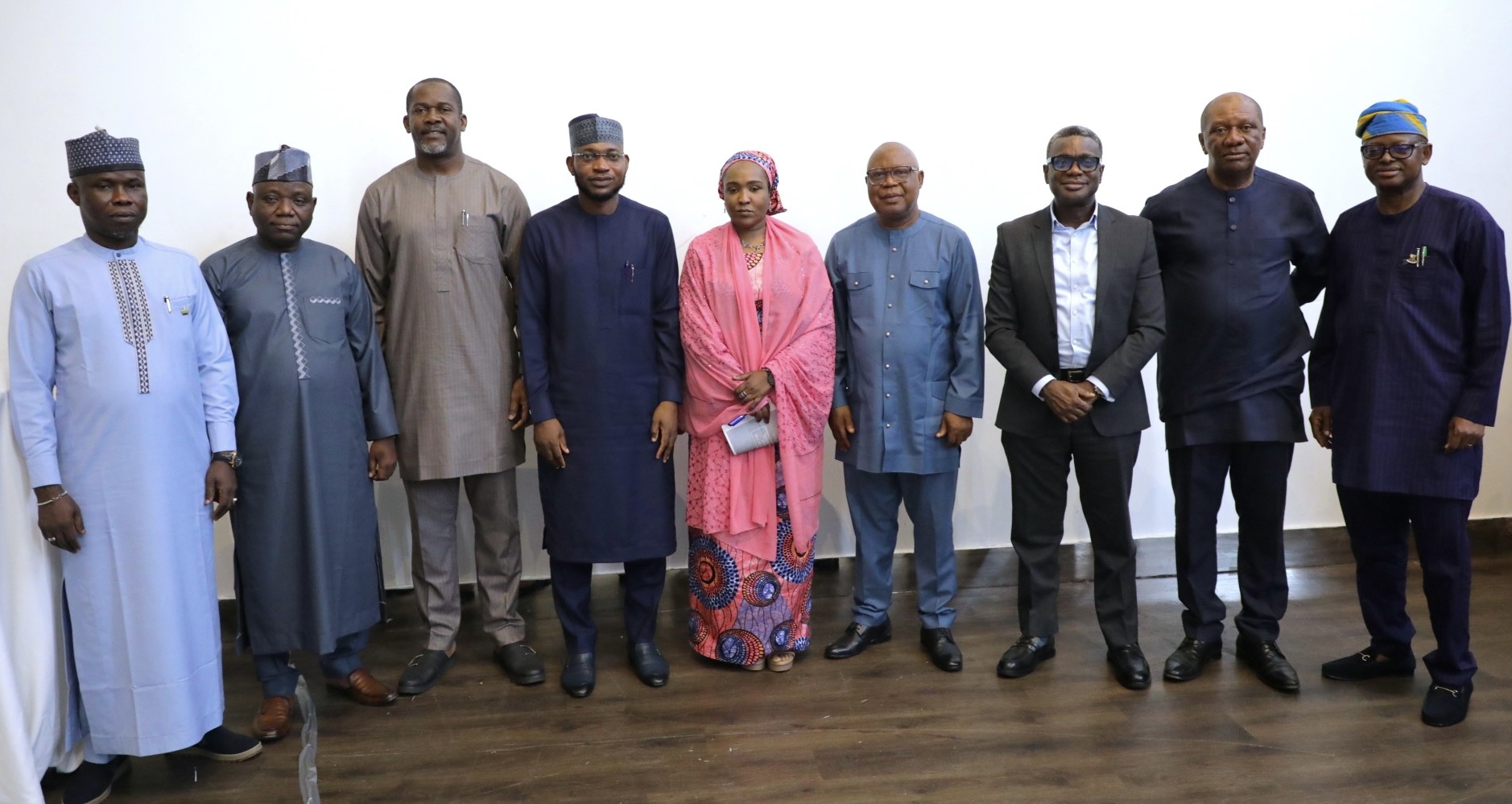
The initiative, known as the Forum of Nigerian Electricity Regulators, was launched during the first quarter 2026 Regulatory Meeting with State Regulators held in Lagos. The development was disclosed in a statement posted on the commission’s official X handle.
The move comes at a time when many parts of the country are experiencing prolonged power outages, largely driven by declining generation linked to persistent gas supply shortages. Industry operators have also pointed to mounting debts and operational constraints as key factors affecting electricity supply.
According to the commission, the Forum of Nigerian Electricity Regulators is expected to drive key regulatory objectives, including fostering dialogue between the national regulator and state electricity regulators. The platform will also promote harmonised approaches in tariff setting, market operations, and consumer protection across the country.
The forum is further expected to support capacity building among regulators through peer learning and shared technical expertise. NERC noted that the initiative would serve as a consultative platform for electricity market reforms while advancing transparency, accountability, and national regulatory benchmarks.
NERC Chairman, Dr. Musiliu Oseni, described the creation of the forum as a major step in Nigeria’s transition toward a multi-level electricity market following the decentralisation enabled by the Electricity Act 2023. He stressed the importance of collaboration among regulators to avoid inconsistencies and regulatory gaps within the sector.
Oseni warned that weak coordination could create opportunities for operators to exploit regulatory differences across jurisdictions. He urged members of the newly inaugurated forum to carry out their responsibilities with diligence and a high sense of responsibility.
“We must work collaboratively to avoid regulatory arbitrage by operators. I charge all of us to carry out this mandate with the highest sense of responsibility. Pursuant to Section 230(9) of the Electricity Act 2023, I hereby declare the Forum of Nigerian Electricity Regulators duly inaugurated,” he said.
Leadership inaugurated, charter signed
Key highlights of the meeting included the review of the fourth quarter 2025 action log, the signing and launch of the forum’s charter, and the inauguration of its leadership structure.
Oseni will serve as chairman of the forum, while Chijioke Okonkwo of the Enugu State Electricity Regulatory Commission was appointed vice chairman. Aisha Mahmud, NERC commissioner for the Stakeholder Management Division, will serve as secretary.
The commission added that NERC and state regulators used the meeting to exchange ideas aimed at strengthening collaboration and improving performance across Nigeria’s electricity supply industry. The engagement is expected to support more coordinated regulatory oversight as more states establish independent electricity markets.
The inauguration of the forum comes as Nigeria’s fragile electricity supply chain remains under pressure from financial and contractual disputes between generation companies and gas producers. These disputes have disrupted fuel deliveries to power plants, worsening grid instability and intensifying blackouts nationwide.
Industry insights indicate that mounting debts, foreign exchange constraints, and infrastructure vulnerabilities continue to undermine the reliability of gas-fired power plants, which produce the bulk of Nigeria’s electricity.
Nigeria’s power generation system remains heavily dependent on natural gas, with thermal plants accounting for more than 70 percent of total output, and in some periods exceeding 80 percent. Persistent liquidity challenges across the power sector have strained the ability of generation companies to meet obligations to gas suppliers, further constraining supply.