KEY POINTS
- Oil prices rose after attacks cut Saudi Arabia’s output by about 600,000 barrels per day and disrupted key infrastructure.
- Tanker traffic through the Strait of Hormuz fell to below 10% of normal levels despite a U.S.–Iran ceasefire.
- Analysts warn oil prices could spike to $190 per barrel if shipping disruptions and supply risks persist.
Oil prices climbed on Friday amid growing concerns over supply disruptions following attacks on energy facilities in Saudi Arabia and continued restrictions on shipping through the Strait of Hormuz.
Benchmark crude futures rose despite heading for a weekly loss after a fragile two-week ceasefire between the United States and Iran eased some market anxiety. Diplomatic signals also emerged as Israel indicated readiness for direct talks with Lebanon.
Brent crude gained about 1 per cent to $96.88 per barrel, while West Texas Intermediate rose 0.8 per cent to $98.65. However, both benchmarks were still on track for an 11 per cent weekly decline, their biggest drop since June 2025.
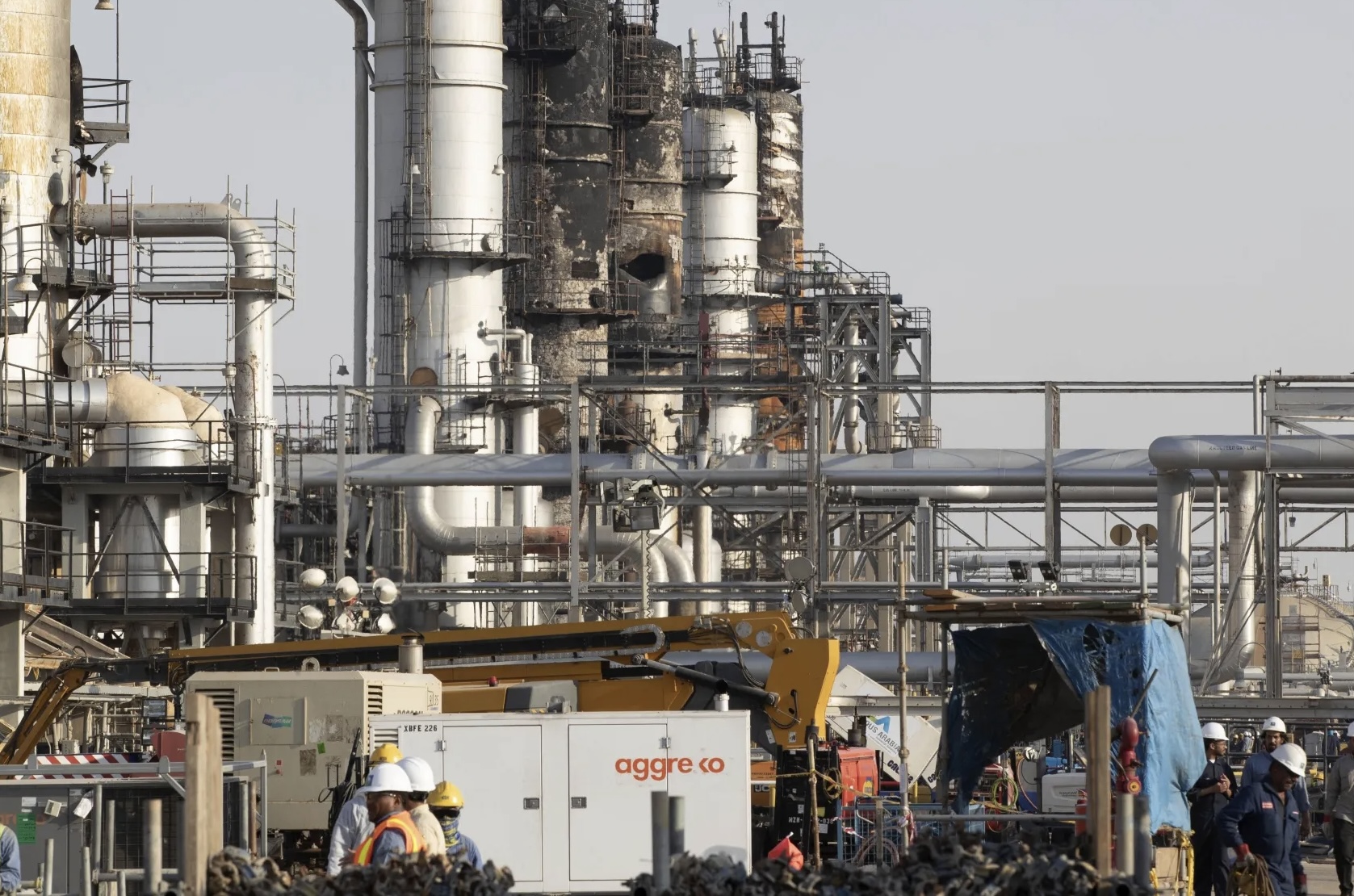
Fresh concerns emerged after reports that strikes on Saudi energy infrastructure reduced the kingdom’s oil production capacity by roughly 600,000 barrels per day.
The attacks also cut throughput on the East-West pipeline by about 700,000 barrels daily, according to official sources cited by Saudi state media. Analysts warned that the damage could tighten global supply if repairs take time.
Hormuz shipping nearly halted
Shipping activity through the Strait of Hormuz, a critical artery for global oil and gas flows, remained severely disrupted. Tanker traffic was reported at below 10 per cent of normal levels, even after a ceasefire agreement.
Tehran warned vessels to stay within its territorial waters, effectively slowing maritime movement. The disruption has heightened fears of further supply shortages.
The ceasefire between the U.S. and Iran, brokered by Pakistan, has not fully stabilised the region, with sporadic fighting still reported. Iran has also proposed charging fees for ships passing through the strait, an idea opposed by Western leaders and the United Nations’ shipping agency.
Energy analysts said continued restrictions in the Strait of Hormuz could trigger a sharp rally in oil prices.
John Paisie, president of Stratas Advisors, warned that Brent crude could surge to as high as $190 per barrel if flows remain at current reduced levels. Others noted that price direction now depends on how quickly shipping through the strait resumes.
According to JPMorgan estimates, nearly 50 infrastructure assets across the Gulf have been damaged by drone and missile strikes since the conflict began on February 28, with about 2.4 million barrels per day of refining capacity taken offline.