KEY POINTS
- Nigeria holds 14,000MW of hydropower potential but taps only a fraction of it.
- Four major dams carry 87% of renewable output while hundreds of others sit idle.
- Rehabilitating dormant hydro assets could cut deficits without building new infrastructure.
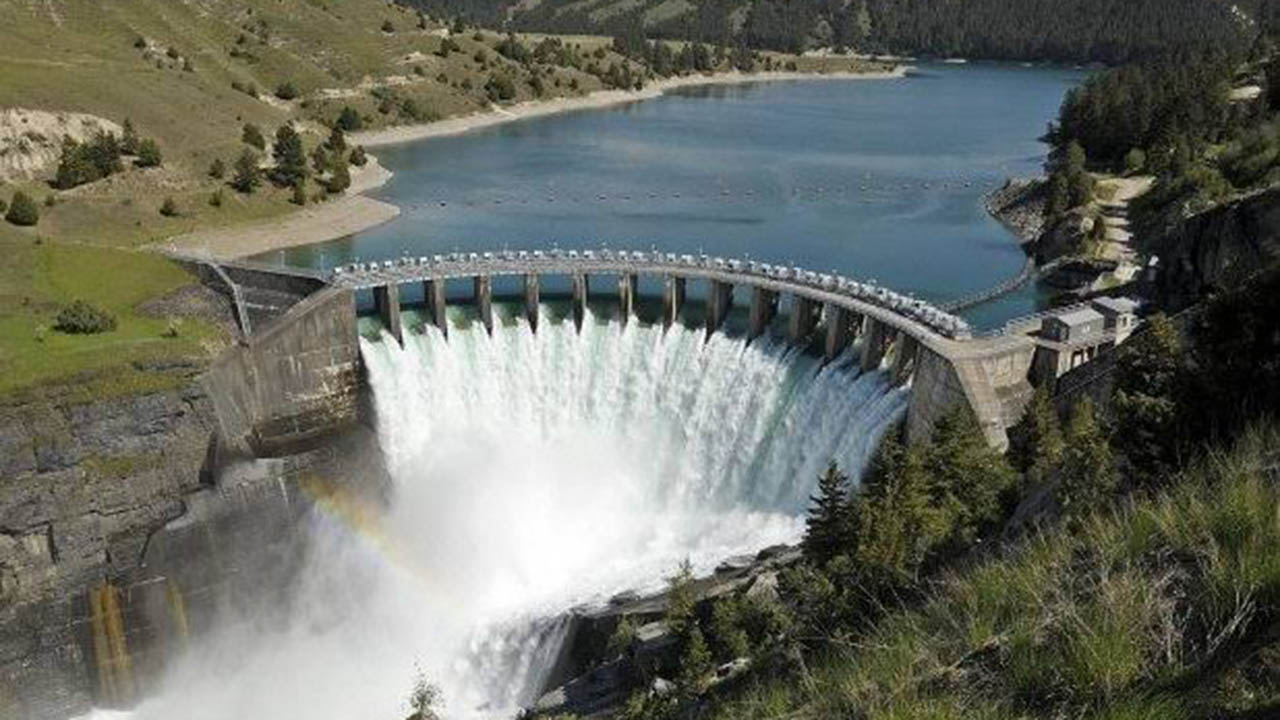
Nigeria has quietly assembled one of the largest dam networks on the continent. Government records put the total somewhere between 323 and 408 structures, ranging across large reservoirs to smaller facilities in more than 30 states. The hydropower potential locked inside all of this tops 14,000 megawatts. Yet chronic electricity shortages persist, and most of this infrastructure is doing almost nothing.
Four major plants carry the burden. Kainji Dam (760MW), Jebba Dam (578MW), Shiroro Dam (600MW) and the newer Zungeru Dam (700MW) account for roughly 87% of Nigeria’s renewable energy generation. The dependence on so few facilities is stark, and their combined output still falls well short of national demand.
A problem hiding in plain sight
The rest of the story lives in the smaller and mid-sized dams. States including Kaduna, Kano, Plateau, Kogi, Cross River and Bauchi hold facilities that are either underperforming or completely idle.
Engineers and energy analysts describe a familiar chain of failures: silted reservoirs, ageing turbines, weak transmission links and unpredictable seasonal water levels worsened by climate variability. None of this is new. What is shifting is the cost of continuing to ignore it.
Nigeria is already spending on solar mini-grids, hybrid systems and private-sector electrification. But analysts say the faster, cheaper fix is already built: rehabilitate existing dams rather than starting from scratch. Hybrid solar-hydro pilots have shown this works, improving output stability during dry seasons. They remain small and underfunded.
The gap between policy talk and field reality
Analysts say unlocking even 30 to 40% of underutilized hydro assets could meaningfully narrow electricity deficits and reduce the grip of diesel generators on Nigerian homes and businesses.
The stakes go beyond power. These dams were designed to do more: irrigation, flood control and water supply were all part of the original brief. In northern states battling food insecurity and flooding, the failure to activate these systems is being counted as both an energy and agricultural loss.
The Nigerian Electricity Regulatory Commission has pointed to rehabilitation programmes and public-private partnerships as the way forward. Green bonds and multilateral financing are under discussion to upgrade turbines and dredge silted reservoirs. Progress remains slow, slowed further by funding gaps, procurement bottlenecks and security concerns in some dam communities.
The infrastructure exists. Nigeria does not need new mega-dams to shift its energy outlook. The answer may already be sitting in rusting turbines and silted waterways, waiting, some for decades, to be switched back on.