KEY POINTS
- Kenya’s hydropower output hit 9.57 million kWh on May 4, driven by heavy rains.
- KenGen says all major dams are stable, with controlled releases managing excess water levels.
- Communities along the Tana River basin have been warned to stay alert to flood risks.
Kenya’s power grid got a meaningful lift last weekend. Sustained rains across key catchment areas drove hydropower production to 9.57 million kilowatt-hours on May 4, state electricity producer KenGen announced, reducing the country’s reliance on expensive thermal energy.
KenGen managing director and CEO Peter Njenga said all major dams are operating under controlled conditions. Coordinated water releases across the system are keeping output steady while keeping safety risks in check.
“Hydropower remains among the country’s most economical energy sources,” Njenga said, adding that the surge in output could ease electricity costs for consumers if thermal generation steps back.
A cascade running at full throttle
The gains are concentrated in the Tana River cascade, a chain of hydropower dams fed by catchments on Mount Kenya and the Aberdare Range, two areas seeing heavy, sustained rainfall.
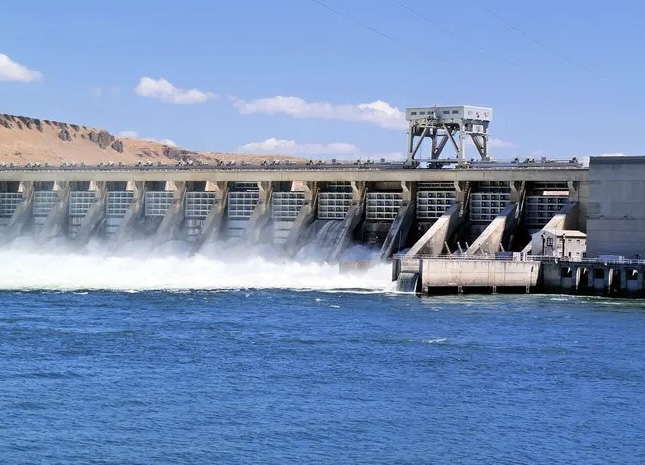
Masinga Dam, Kenya’s largest reservoir, has nudged past its full supply level, reaching 1,057.43 metres above sea level. KenGen said the excess stays within design capacity. Controlled spillages are underway to stabilise the system.
Regulated discharges from Masinga are feeding operations downstream. Other facilities in the Seven Forks scheme, Kamburu, Gitaru and Kindaruma, are running within normal operating ranges. Kiambere Dam is marginally above its full supply level but remains under active management, with no immediate risk reported.
Power gains, but flood risks remain real
KenGen, which controls about 60% of Kenya’s installed electricity capacity, is urging communities living along the Tana River basin to stay alert. Controlled water releases are ongoing, and residents near flood-prone stretches have been told to keep away from riverbanks and follow guidance from local authorities.
The broader picture is encouraging. Kenya has long leaned on geothermal power as its renewable anchor, but hydropower is stepping up when rain cooperates. Njenga said the weather conditions have created a window to push low-cost renewable output without compromising dam safety. KenGen said it will keep monitoring rainfall patterns and reservoir levels, with updates to follow as conditions develop.