

KEY POINTS
- A coalition has criticised NNPC’s new refinery deal with Chinese firms as a repeat of failed rehabilitation efforts.
- It demands a full audit of over $1bn reportedly spent on refinery repairs without clear results.
- The group calls for EFCC and lawmakers to investigate refinery projects and improve accountability in the oil sector.
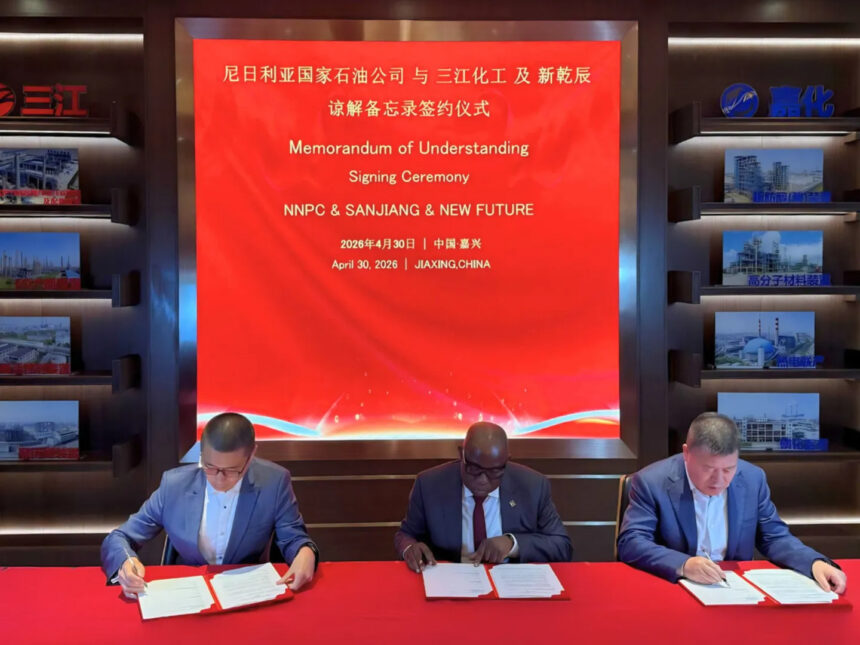
A coalition of oil sector reform advocates, the Centre for Energy Sector Transparency, has criticised the latest agreement between the Nigerian National Petroleum Company Limited, NNPC Ltd, and Chinese firms aimed at reviving the Port Harcourt and Warri refineries.
The group described the move as a continuation of failed policy approaches, arguing that successive refinery rehabilitation efforts have not delivered results despite repeated government commitments and funding.
In a statement signed by its Executive Director, Oghenetega Edafe, the coalition said the agreement reflects weak accountability and a lack of transparency in how Nigeria’s refinery projects are managed.
It noted that the refineries have undergone multiple rehabilitation exercises over the years but remain largely inactive, raising concerns about policy effectiveness and project execution.
The group expressed concern that more than $1 billion may have already been spent on refinery rehabilitation without clear results or public accountability.
It argued that Nigerians have not been provided with a transparent audit explaining how previous funds were used or why earlier rehabilitation efforts failed to restore refinery operations.
According to Edafe, proceeding with new partnerships without reviewing past expenditures risks undermining public trust in the management of national resources.
The coalition stressed that accountability for past investments is necessary before committing additional public funds or entering new technical agreements.
Call for transparency in technical equity partnership model
While acknowledging that technical equity partnerships are not inherently flawed, the group warned that such arrangements must not replace accountability or transparency.
It said bringing in foreign technical partners should not divert attention from unresolved issues surrounding past refinery rehabilitation projects.
The coalition argued that without strong governance, oversight, and consequences for failed projects, new agreements may repeat the same cycle of wasted investments.
It urged authorities to disclose details of previous project execution, responsible officials, and reasons for persistent failures in achieving refinery output targets.
The Centre for Energy Sector Transparency called on the National Assembly and anti-corruption agencies, including the Economic and Financial Crimes Commission (EFCC), to investigate refinery rehabilitation spending over the past decade.
It demanded a full forensic review of all funds allocated to refinery projects, including recent billion-dollar interventions.
The group said such an investigation would help restore public confidence and clarify why Nigeria continues to depend heavily on imported fuel despite years of refinery rehabilitation efforts.
It maintained that sustainable reform in the oil sector requires transparency, accountability, and institutional discipline rather than repeated agreements without oversight.