KEY POINTS
- Enugu State will break ground on a 660MW coal-fired power plant in July 2026.
- Governor Mbah promises reliable, affordable electricity across Enugu State by late 2027.
- Enugu’s coal carries less than 0.5% sulfur content, among the cleanest grades globally.
Enugu State is done waiting for the national grid. Governor Peter Mbah announced Wednesday that the state will break ground on a 660-megawatt coal-fired power plant in July, with a target to commission it 24 months later. The message to businesses and residents was direct: post-2027, the lights stay on.
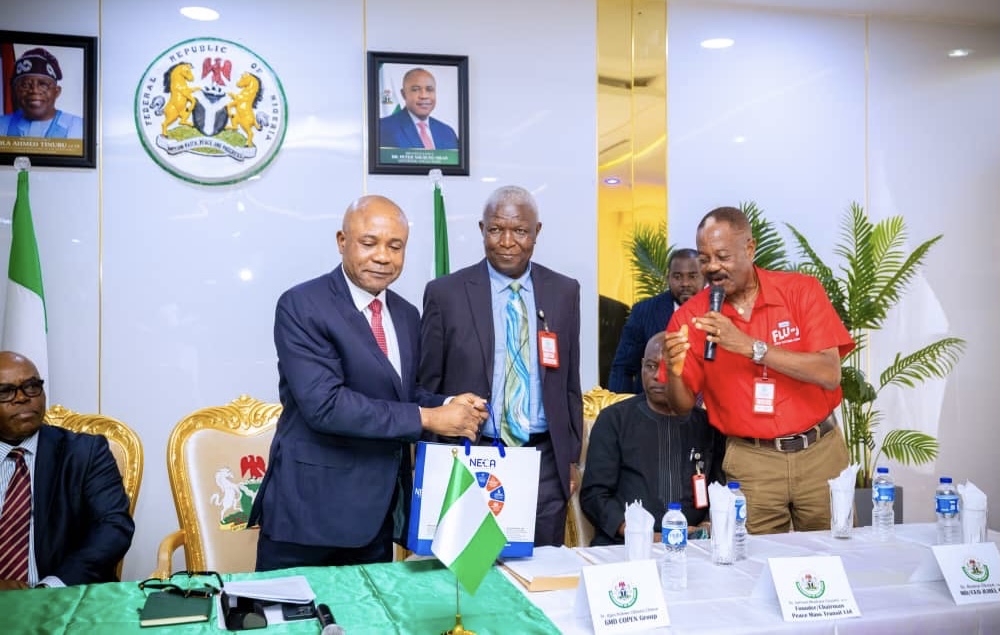
The announcement came during a solidarity visit by the Organized Private Sector Nigeria to Government House in Enugu. Mbah used the occasion to outline his administration’s energy push, framing the coal plant as the centerpiece of a broader plan to grow the state’s economy from $4.4 billion to $30 billion.
“What that simply means is that post-2027, you will not have your power go off in Enugu, whether for businesses or for residential,” Mbah said. “You are also going to have affordable electricity because it is going to be by far the cheapest in the country.”
Why Enugu is betting on coal
The governor pushed back on concerns about coal’s environmental record, pointing to the quality of Enugu’s reserves. The state’s coal carries a sulfur content of less than 0.5%, well below the 1% threshold considered acceptable in most markets. The calorific value sits at approximately 7,000 kilocalories per kilogram.
“The only country that comes close is Japan,” Mbah said. “So, instead of just exporting our coal, we are going to be benefiting from it by adding value, generating electricity with it.”
He said the project took two years of studies and resource-securing before the state was ready to commit. Enugu has already positioned itself as the first subnational government to establish an electricity market following constitutional amendments that opened power generation, transmission and distribution to states.
A broader economic bet taking shape
The power plant is one piece of a larger picture. Mbah’s administration is also building a technology incubation center, opening a one-stop shop for investors and partnering with the Nigerian Communications Commission to establish an Artificial Intelligence Institute in the state.
“In four years from now, AI will contribute $20 trillion to the global economy,” Mbah said. “We want to be at the epicenter, not just as consumers, but as producers.”
OPSN endorsed the governor for a second term, citing measurable gains in security, infrastructure and business confidence under his watch since taking office.