KEY POINTS
- Aliko Dangote plans to build a 650,000-barrel-per-day oil refinery in Kenya, with Mombasa identified as the preferred location.
- The proposed refinery project could cost up to KSh 2.3 trillion and forms part of a broader East African refinery expansion plan.
- Regional leaders believe local refineries will reduce dependence on imported fuel and protect East Africa from global energy supply disruptions.
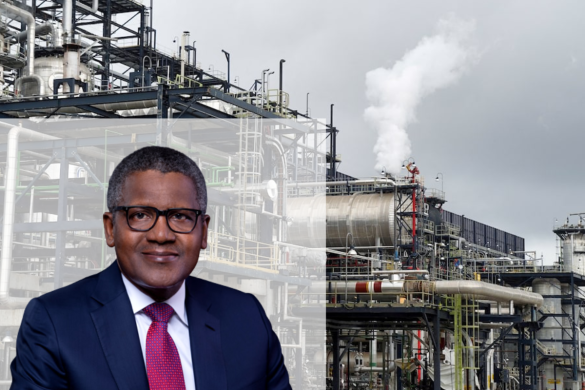
Africa’s richest man, Aliko Dangote, has revealed plans to build a 650,000-barrel-per-day oil refinery in Kenya, with Mombasa County identified as his preferred location for the massive investment.
Dangote said Mombasa’s deep seaport and Kenya’s relatively larger economy and fuel consumption levels made the country an attractive destination for the proposed refinery project. The refinery is estimated to cost between KSh 1.9 trillion and KSh 2.3 trillion.
The Nigerian billionaire made the disclosure during an interview with the Financial Times after previously committing to establishing regional refineries during the Nairobi Infrastructure Summit held in April 2026.
Dangote Seeks Regional Partnership for East African Refineries
According to Dangote, the project forms part of a broader regional strategy by the Dangote Group to establish three or four refineries across East Africa within the next four to five years.
Speaking at the summit, Dangote pledged to spearhead the refinery initiative if agreements are reached with participating governments in the region.
However, he clarified that the Kenyan refinery plan would require approval from Kenyan President William Ruto, who holds the final authority over the project.
Earlier discussions involving Yoweri Museveni and President Ruto explored the possibility of locating the refinery in Tanga, Tanzania, but the proposal reportedly faced diplomatic resistance, leading to fresh talks with Kenya and Uganda.
Regional leaders and investors at the April summit agreed that establishing local refineries would help East African countries reduce dependence on imported refined petroleum products from the Middle East.
The move is also aimed at shielding the region from global fuel supply disruptions and rising energy prices triggered by ongoing geopolitical conflicts.