KEY POINTS
- A drone struck a generator near Barakah nuclear plant, forcing one reactor onto emergency diesel power.
- UAE air defenses intercepted two drones but a third hit a generator outside the plant’s inner perimeter.
- IAEA chief Rafael Grossi expressed grave concern, warning military attacks on nuclear sites are unacceptable.
A drone struck an electrical generator on the perimeter of the UAE’s Barakah Nuclear Energy Plant on Sunday, forcing one reactor to temporarily rely on emergency diesel power and raising urgent questions about the safety of the Arabian Peninsula’s only nuclear facility.
UAE air defenses intercepted two of the three drones. The third hit a generator outside the plant’s inner perimeter in the Al Dhafra region, about 225 kilometers west of Abu Dhabi. No injuries were reported. Radiation levels remained normal throughout.
The UAE’s nuclear regulator moved quickly to reassure the public. “All units are operating as normal,” it said in a statement posted Sunday. The UAE Defense Ministry confirmed its air defenses had dealt “successfully” with two drones, adding that the third came from the “western border” and that investigations were under way to determine the source.
No group claimed responsibility. The UAE has not publicly blamed any country.
The IAEA raises the alarm
The International Atomic Energy Agency confirmed the strike forced one reactor to draw on emergency diesel generators temporarily. IAEA Director General Rafael Grossi did not hold back. He expressed “grave concern” and said military activity targeting nuclear facilities was “unacceptable” under any circumstances.
Qatar and Saudi Arabia both condemned Sunday’s attack, calling it a threat to regional security and stability. The plant sits close to the Saudi border, underscoring how exposed the facility is to the wider regional conflict.
A pattern of attacks on the UAE
The UAE has faced repeated drone and missile attacks since the United States and Israel began striking Iran on Feb. 28. The attacks continued even after a ceasefire agreement was announced on April 8, with the gap between US and Iranian demands still wide enough to keep the Strait of Hormuz effectively closed.
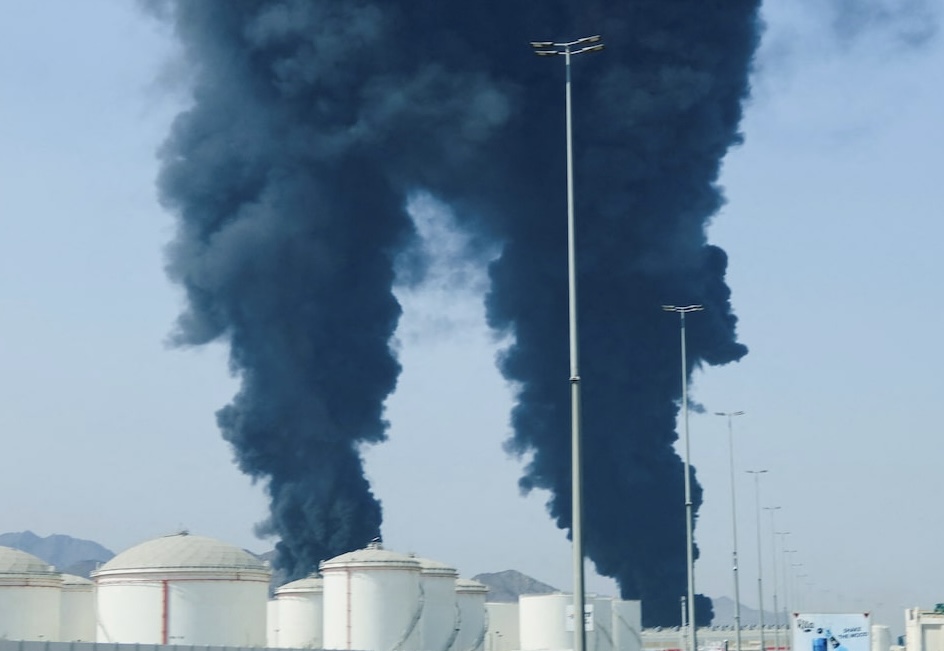
Last week, Emirati officials accused Iran of launching missiles and drones at the port city of Fujairah. Three Indian nationals were injured and a fire broke out at an oil facility in the Fujairah Oil Industry Zone.
Iran had previously warned that countries hosting US military bases or Israeli-linked interests could become targets. Iran recently accused the UAE of strengthening ties with Israel. US Ambassador to Israel Mike Huckabee said last week that Israel had deployed Iron Dome air defense systems and personnel to the UAE. The UAE denied reports of a secret visit by Israeli Prime Minister Benjamin Netanyahu during the conflict. The UAE’s Foreign Ministry said Friday it rejected Iranian attempts to justify attacks on Emirati territory and reserved the right to respond to any threats.