KEY POINTS
- Angola plans to increase electricity production from 6,400 to 9,000 megawatts by 2027.
- The Caculo Cabaça hydroelectric plant will contribute 2,172MW, one of sub-Saharan Africa’s largest dams.
- Angola’s population is growing by more than 1.5 million people annually, driving rising energy demand.
Angola wants to add 2,600 megawatts of electricity production capacity in two years. The government has set a target to grow national electricity output from its current 6,400 megawatts to 9,000 megawatts by 2027, anchored by the completion of one of the largest hydroelectric dams in sub-Saharan Africa.
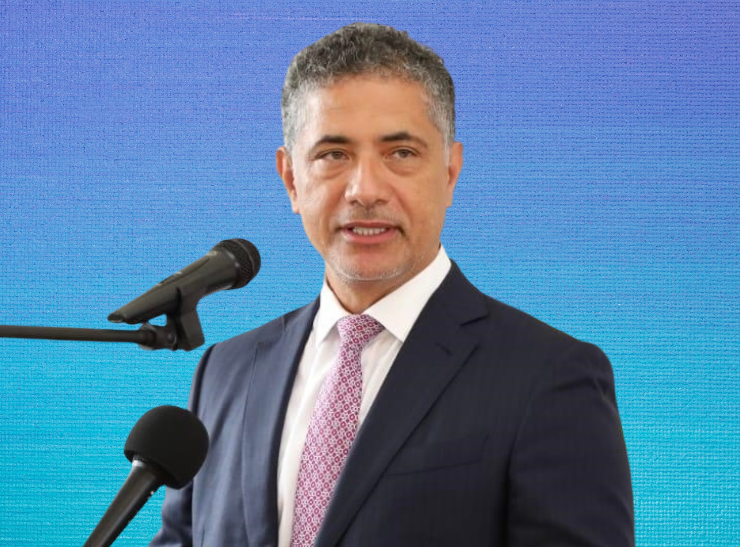
The announcement came Thursday in Luanda from Secretary of State for Energy Arlindo Carlos, speaking on the sidelines of the 2nd International Conference on Energy and Water in the Angolan capital. He described the projection as a reflection of the government’s commitment to match energy supply with the country’s growing population, which expands by more than 1.5 million people every year.
At the center of the plan is the Caculo Cabaça Hydroelectric Plant. When complete, it will have an installed capacity of 2,172 megawatts, positioning it as one of the largest hydroelectric facilities in sub-Saharan Africa, behind only the Grand Ethiopian Renaissance Dam.
A dam that defines the 2027 target
The 2027 timeline is tied directly to the Caculo Cabaça completion schedule. The plant sits on the Kwanza River and has been under development as a cornerstone of Angola’s national electrification strategy. Its completion would add more than a third of the additional capacity Angola needs to hit the 9,000 megawatt target from its current baseline.
Angola’s energy mix is already predominantly clean. Hydroelectric power accounts for approximately 59 percent of the country’s generation capacity, with thermal energy making up around 36 percent and solar a growing but still modest share. The government has set a parallel target of reaching 71 percent clean energy production by 2027, with Caculo Cabaça and an expanding solar portfolio providing the bulk of the new renewable capacity needed to get there.
Population pressure and the electrification gap
Angola’s push to expand generation capacity is driven as much by demographics as by policy. With more than 1.5 million new residents added annually, electricity demand is rising faster than the grid has historically grown. Electrification rates remain uneven across the country, with urban areas significantly better connected than rural communities where grid extension remains limited.
The 2nd International Conference on Energy and Water, where Carlos made the announcement, brought together government officials, energy sector representatives and international partners to discuss Angola’s energy transition and infrastructure investment priorities.