KEY POINTS
- Libya’s National Oil Corporation (NOC) has awarded an offshore exploration licence to a consortium comprising MOL Group, Repsol, and TPAO.
- The project will involve seismic surveys and the drilling of an exploration well in a deepwater Mediterranean block off Libya’s coast.
- The development is expected to support Libya’s plans to increase oil production and attract foreign investment into its energy sector.
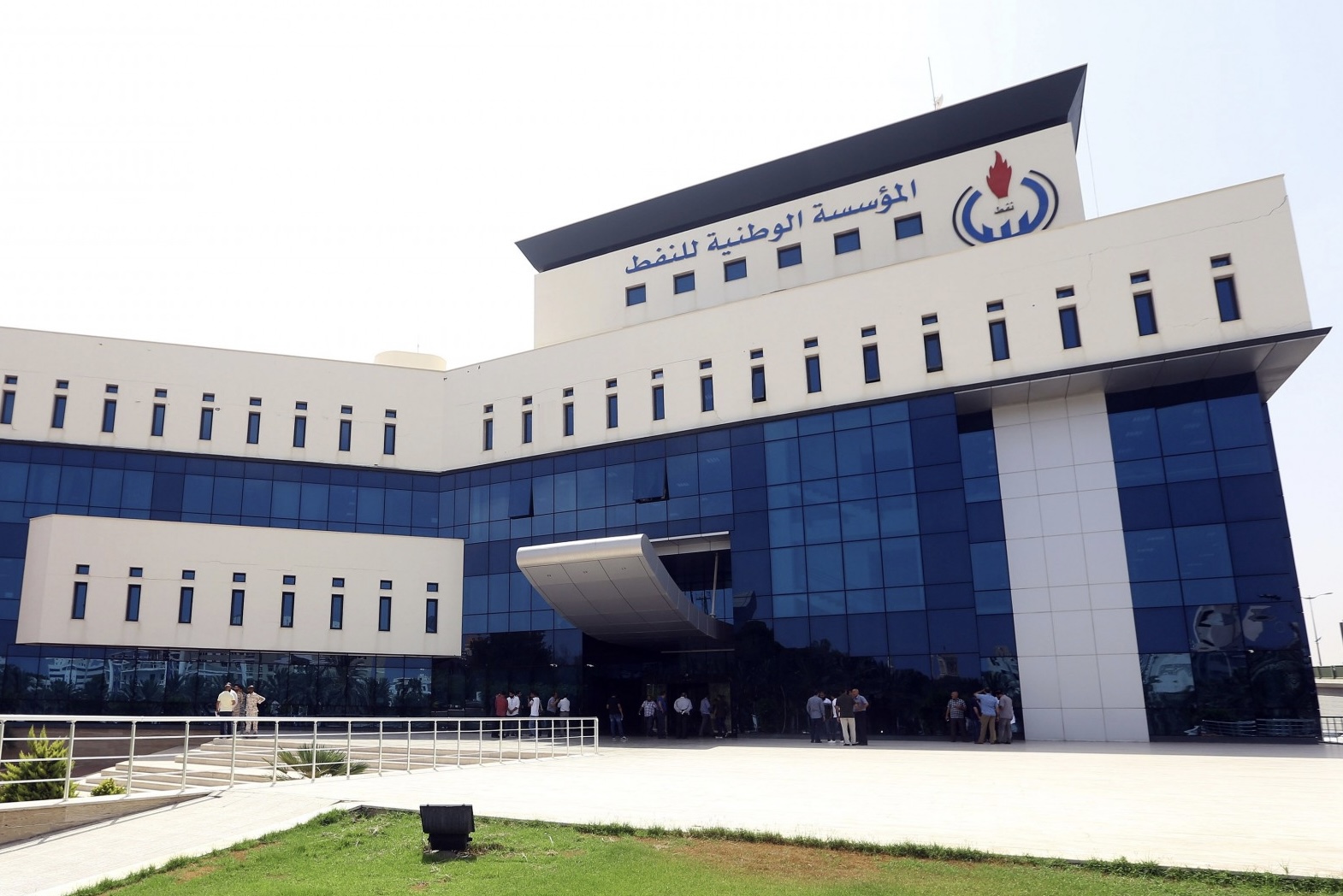
Libya’s National Oil Corporation (NOC) has granted an offshore oil exploration licence to a consortium of international energy companies, marking a significant step in the country’s efforts to revive and expand its oil and gas industry.
The licence was awarded to a joint venture comprising MOL Group, Spain’s Repsol, and Türkiye Petrolleri Anonim Ortaklığı (TPAO), following a successful bid in Libya’s first oil and gas licensing round in 18 years.
The companies have now signed a production sharing agreement that will allow them to begin exploration activities in the Mediterranean Sea.
The agreement follows Libya’s recent efforts to attract international investment into its largely untapped hydrocarbon resources.
The licensing round drew more than 40 bids from energy companies worldwide, highlighting growing investor interest in Libya’s oil and gas sector.
Five exploration blocks were awarded during the exercise, with the consortium securing the offshore O7 Block.
Under the agreement, Repsol will serve as the project operator with a 40 per cent stake, while TPAO also holds 40 per cent and MOL Group owns the remaining 20 per cent.
Exploration Activities Planned Offshore Benghazi
The O7 Block covers more than 10,300 square kilometres in the Mediterranean Sea and is located approximately 140 kilometres northwest of Benghazi.
The area lies in deep waters exceeding 1,500 metres, making it one of Libya’s significant offshore exploration prospects.
As part of the project, the consortium plans to acquire 1,500 kilometres of two-dimensional seismic data and 2,300 square kilometres of three-dimensional seismic surveys.
The partners will also drill an exploration well to determine the commercial viability of hydrocarbon resources in the block.
Industry observers say the project could unlock substantial new oil and gas reserves if exploration activities prove successful.
MOL Group described the project as an important milestone in the revitalisation of Libya’s oil and gas sector.
The company said the development would contribute to economic growth in Libya while strengthening energy security across parts of Europe.
Speaking on the agreement, MOL Group Executive Vice President for Exploration and Production, Zsombor Marton, said the project represents a major opportunity for both Libya and the consortium.
He noted that Libya remains strategically important to Europe and offers significant offshore exploration potential in North Africa.
Marton added that the consortium intends to utilise its technical expertise to support Libya’s energy ambitions while helping diversify energy supply sources for Central and Eastern Europe.