KEY POINTS
- Cooking gas prices have fallen by 31.8%, dropping from about N2,200/kg to N1,500/kg due to improved supply and industry interventions.
- Marketers expect prices to decline further if favourable market conditions, stable exchange rates and lower logistics costs continue.
- The Federal Government has intensified enforcement against hoarding, diversion and illegal storage of LPG to ensure steady supply and price stability.
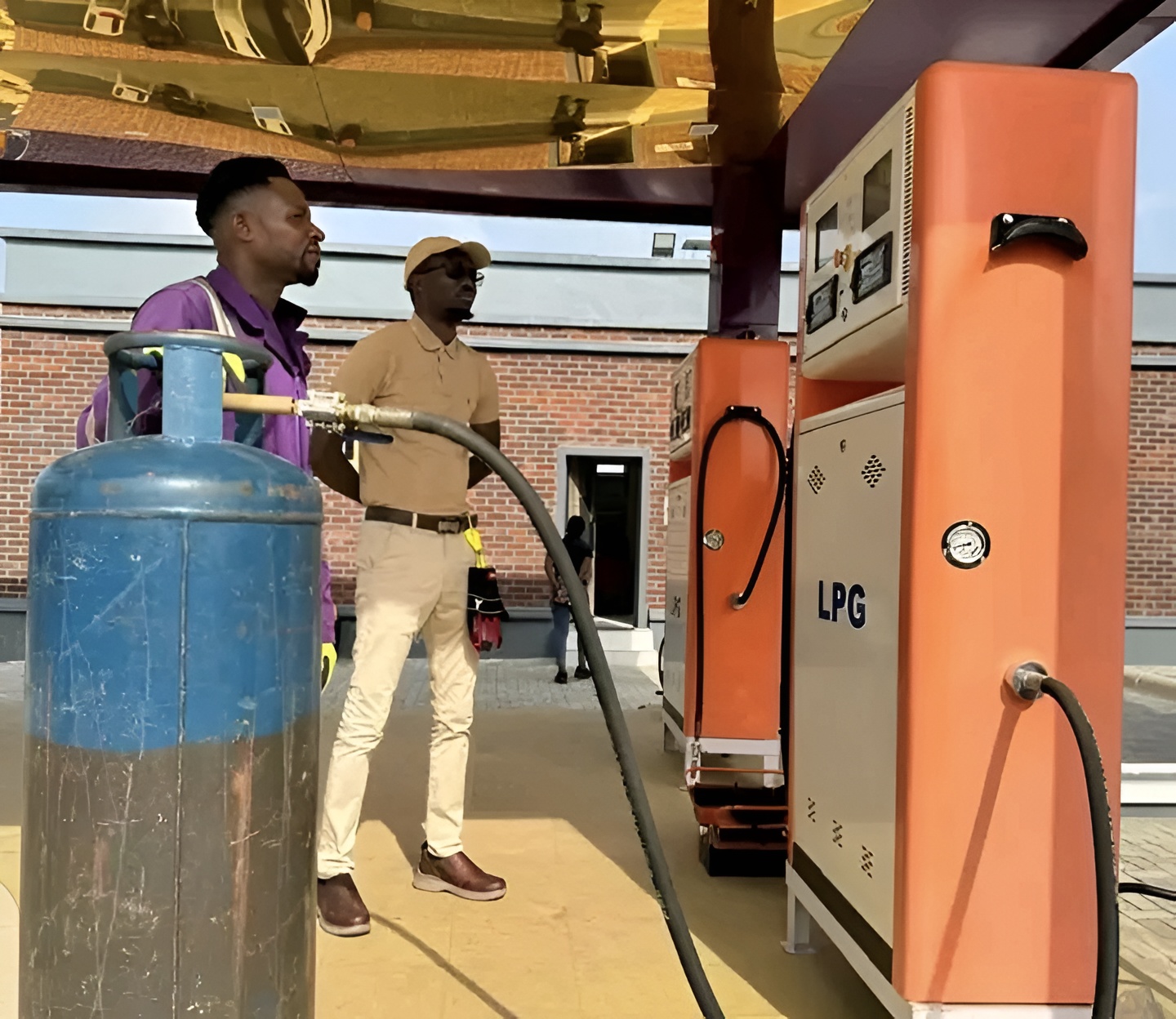
Nigerians are beginning to experience relief from the high cost of cooking gas as the price of Liquefied Petroleum Gas, LPG, commonly known as cooking gas, has fallen significantly from around N2,200 per kilogramme to N1,500 per kilogramme, representing a 31.8 per cent reduction.
The decline follows months of soaring prices that forced many households to reduce their gas usage or return to alternative cooking fuels such as firewood and kerosene.
Industry stakeholders say the price reduction is the result of improved product availability, stronger collaboration among government agencies, regulators and marketers, as well as efforts to remove supply bottlenecks.
President of the Nigerian Association of Liquefied Petroleum Gas Marketers (NALPGAM), Edu Inyang, attributed the price drop to sustained consultations involving key players in the LPG industry.
According to him, the engagements have restored confidence in the market, improved product availability and contributed to the current decline in prices.
“The consultations have yielded positive results. Product availability has improved and confidence has returned to the market, which has helped bring down prices,” he said.
The current market price represents a reduction of N700 per kilogramme from the previous peak of N2,200/kg.
Inyang expressed optimism that cooking gas prices could fall even further if current market conditions remain favourable.
He explained that LPG prices are influenced by several factors, including international market trends, foreign exchange rates and transportation costs. According to him, consumers are likely to continue enjoying lower prices if these factors remain stable.
He also noted that ongoing efforts by regulators and private operators to improve supply and eliminate bottlenecks across the LPG value chain are beginning to produce positive results.
The NALPGAM president also welcomed the liberalisation of the LPG market, saying marketers with sufficient capacity are ready to import more products to increase supply.
He explained that greater participation by private operators in LPG importation would encourage healthy competition, improve market efficiency and help keep prices affordable over the long term.
The recent reduction in cooking gas prices is expected to ease financial pressure on millions of Nigerians already grappling with rising living costs and energy expenses.