KEY POINTS
- Nigeria can save $121bn in fuel costs by adopting 90 per cent renewable energy.
- The Energy Transition Plan targets 277 gigawatts of installed power capacity by 2060.
- Power reforms drew over $2bn in private investment as sector revenues nearly doubled recently.
Nigeria can save $121bn in fuel costs if it shifts the bulk of its electricity supply to renewable energy, the Federal Government has said.
The Minister of Power, Joseph Tegbe, made the projection on Wednesday at the Lagos Chamber of Commerce and Industry’s 2026 Renewable Energy Outlook Conference in Lagos. He said the savings would flow to businesses, households and the state.
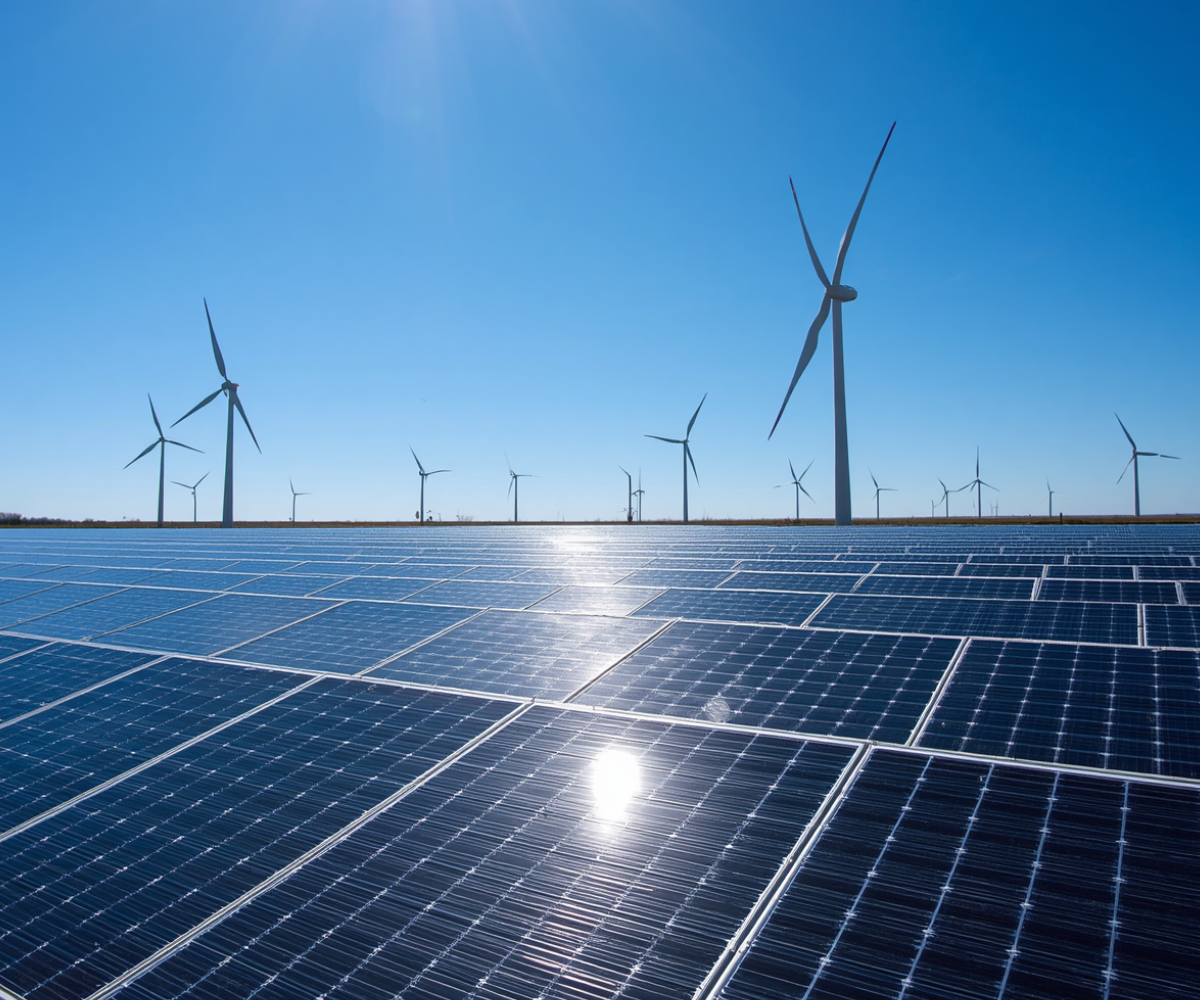
Tegbe framed the country’s Energy Transition Plan as an economic strategy, not just a climate pledge. The plan targets a generation mix made up of 90 per cent renewables.
“These are savings that will accrue to Nigerian businesses, Nigerian consumers, and the Nigerian state,” he said. He described the roughly $10bn in extra annual capital spending the plan needs as an investment to be mobilised, not a burden to mourn.
The minister said the plan aims for 277GW of installed generation capacity by 2060. Solar, he added, would dominate that future supply.
Tegbe noted that Nigeria and South Africa led Africa in solar growth in 2025. He credited Nigeria’s solar resources, rising private investment and supportive policy for the position.
Nigeria’s 202 trillion cubic feet of gas stays in play\
The minister was clear that the country would not drop gas overnight. He called it a critical transition fuel as renewable capacity scales.
Nigeria holds proven gas reserves of about 202 trillion cubic feet. Tegbe said that endowment could anchor reliable baseload while cleaner sources are built out.
“Gas is not our destination. But it is an indispensable companion on the journey,” he said.
He urged manufacturers, processors, logistics firms and technology companies to move off diesel generators. The Electricity Act 2023, he said, now enables embedded generation, industrial mini grids and direct deals with renewable independent power producers.
Tegbe said reforms under President Bola Tinubu had drawn more than $2bn in fresh private investment. Sector revenues nearly doubled between 2023 and 2025, climbing from about N850bn to over N1.5tn.
Nigeria’s 202 trillion cubic feet of gas stays in play
The Managing Director of the Rural Electrification Agency, Abba Aliyu, said renewables must drive industry, not just light up villages. He said the global economy was turning electricity hungry as artificial intelligence, data centres and electric transport spread.
“The future economy will be electricity intensive, and countries that cannot provide reliable, affordable and clean power will struggle to compete,” he said.
Aliyu said mini grids and solar storage systems should now count as industrial infrastructure. He said they could power rice mills, cold rooms, clinics and markets at once.
The conference closed with calls for tighter government and private sector cooperation. Both sides pledged to unlock investment and lift the reliability of Nigeria’s power supply.