

KEY POINTS
- Taraba State signed $268 million in loans from the ECOWAS development bank EBID.
- The funds cover a 50-megawatt solar plant, an industrial park and rice production.
- Officials call it the largest single foreign investment a Nigerian state secured in 2025.
Taraba State has signed $268 million in loans from the ECOWAS Bank for Investment and Development to fund energy, farming and industry. The deal is one of the largest single financing packages the state has ever secured.
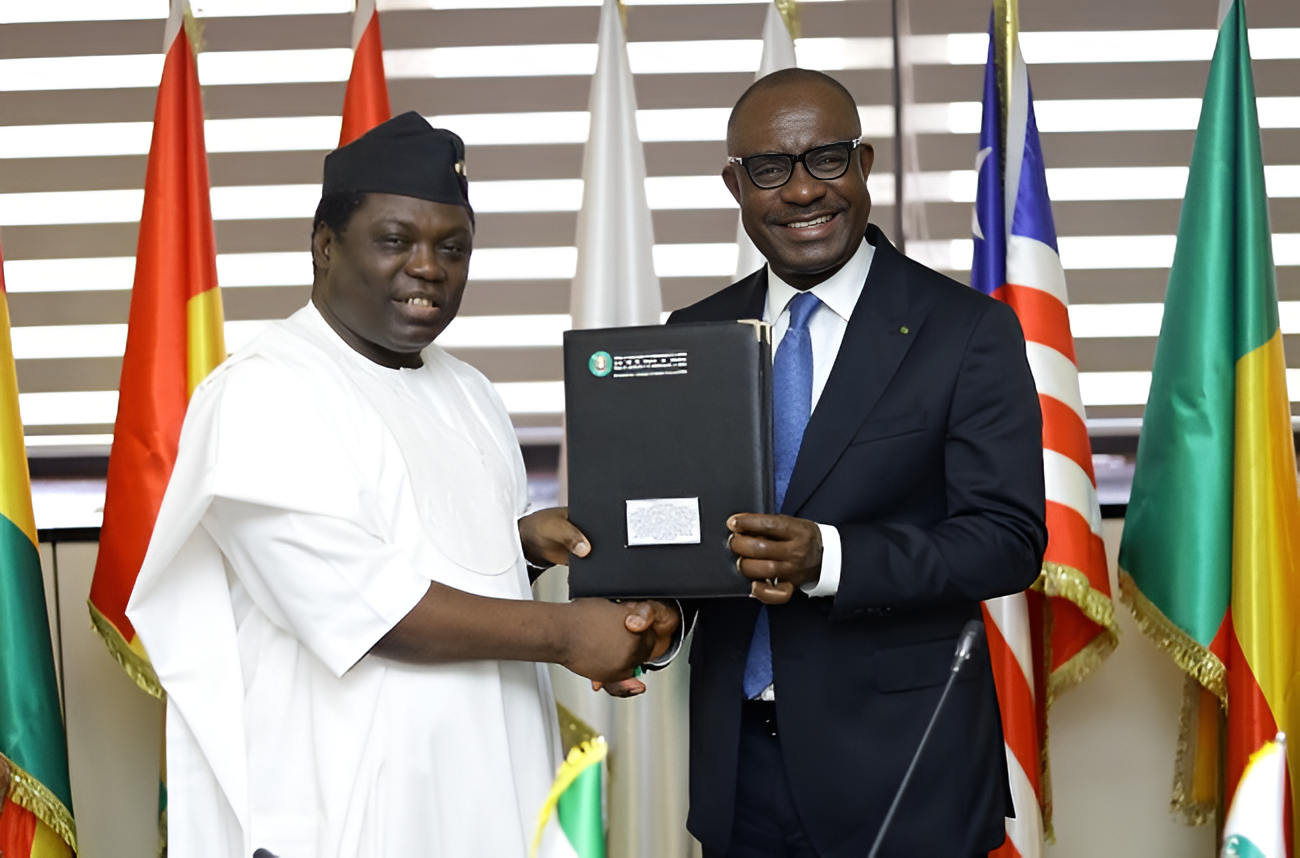
Governor Agbu Kefas signed the three agreements at the bank’s headquarters in Lomé, Togo, on June 26. He led a delegation of state officials, technical advisers and development partners.
EBID President George Agyekum Donkor signed for the bank. He cast the package as a single, joined-up bet on Taraba’s economy rather than three separate loans.
The money splits across three projects. The largest slice, about $98 million, will build a 50-megawatt solar power plant in Jalingo, the state capital. The plant is meant to widen access to electricity and cut reliance on conventional power.
A second tranche of $91.23 million funds the first phase of an integrated industrial park. The hub is designed as a cluster for manufacturing and logistics, built to pull in private investors and create jobs.
A bet on rice and food security
The third project targets the farm. EBID will lend $79.21 million to develop 10,000 hectares of irrigated rice paddies, paired with a modern mill and processing plant.
Kefas said the scheme should lift farm output and raise incomes for growers across the state. The goal is also national in scope. Nigeria still imports large volumes of rice, and the plant is built to cut that dependence.
Taraba sits in Nigeria’s northeast, a region rich in farmland but short on large-scale industry. A working rice value chain, from paddy to packaged grain, would keep more money and more jobs inside the state.
Part of a wider regional push
The loans sit within EBID’s Growth, Resilience and Optimisation strategy. The framework steers the bank toward projects it judges to carry measurable economic, social and environmental returns across West Africa.
Donkor said backing industry, farming and clean energy at the same time delivers lasting regional impact. He framed the partnership as part of building stronger, more competitive economies in the bloc.
Kefas called the agreements a transformational milestone for Taraba. He said the financing would strengthen industry, improve food security and expand access to reliable, sustainable power.
The state government traces the deal back to its TARAVEST investment summit, held in 2025. Officials have described the package as the largest single foreign investment any Nigerian state secured that year.
The harder test now is delivery. Loans must become plants, paddies and payrolls, and Kefas has pledged transparency in spending the money. Whether Taraba can turn the financing into working assets will decide if the milestone holds.