KEY POINTS
- A report names lithium, copper and bauxite as keys to Nigeria’s clean energy transition.
- The Council for Critical Minerals presented the report to Minister Dele Alake on Monday.
- It urges Nigeria to process its minerals locally rather than export raw ore abroad.
Nigeria could turn its mineral wealth into a clean energy advantage, a new report says. It names lithium, copper and bauxite as the country’s strategic assets.
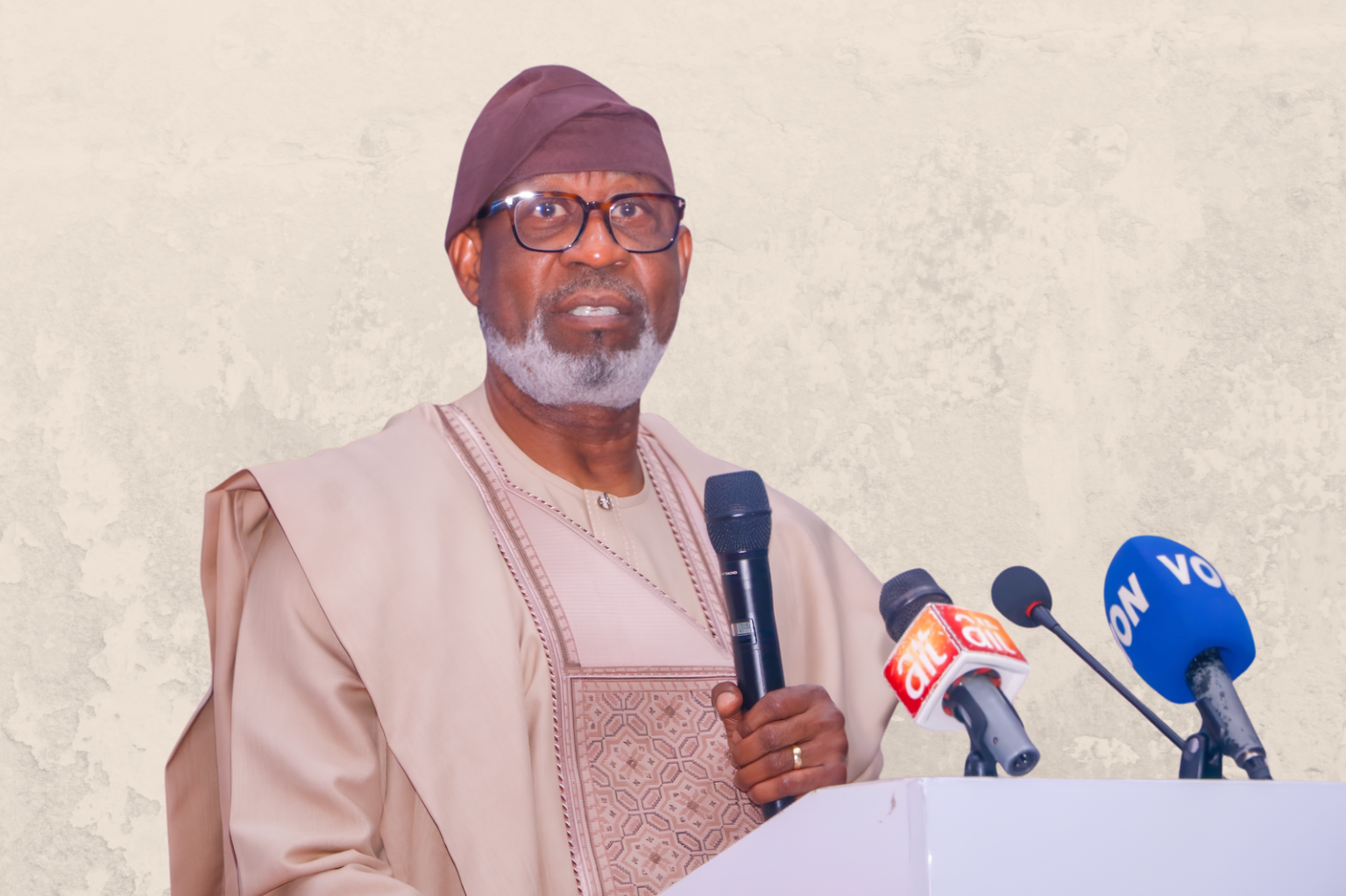
The Council for Critical Minerals Development in the Global South presented the report on Monday in Abuja. The group handed it to Solid Minerals Minister Dele Alake at the State House.
The report shows how Nigeria can meet rising demand for renewable energy technology. It also urges the country to keep more value at home. The push fits Nigeria’s wider drive to diversify beyond oil.
The timing is striking. The handover came days after the government announced a world-class mineral find in Kaduna State. That deposit holds platinum group metals, gold, nickel, copper, lithium and rare earth elements.
Matching minerals to the energy shift
The report studies Nigeria’s future need for solar panels, batteries and electric vehicles. It weighs that demand against current output and trade. Its conclusion is blunt. Nigeria’s lithium, copper and bauxite closely match the minerals a clean energy economy needs.
The analysis does not stop at the good news. It maps the gaps in Nigeria’s mineral value chain. It then offers policy steps to plug them. The aim is simple: capture more economic benefit from local resources.
Global demand for these minerals is climbing fast. Batteries, solar systems and electric cars all depend on them. Manufacturers worldwide are scrambling to secure steady supply.
Beyond exporting raw rock
Alake welcomed the findings at the handover. He called the report practical guidance for green industrial growth.”This report provides mineral-specific policy pathways to leverage Nigeria’s resources,” he said. He said the report maps domestic demand, supply and trade for the first time.
The minister wants Nigeria to move past shipping out raw ore. He wants local industries that create jobs and add value. The ministry plans to build a mineral-to-manufacturing roadmap. It will work with the Council to raise domestic processing.
The partnership will also court investment from across the Global South. It will engage local players on green industrial projects. It also seeks partners keen on building clean energy plants locally.
Reforms have already lifted the sector’s earnings. Mining revenue climbed from about 6 billion naira to more than 70 billion by late 2025.
The Council brings together two global partners. Sustainable Energy for All and a University of California, Davis research centre anchor the group. It pairs global energy expertise with transport research.
The real test now lies in execution. Nigeria must turn buried potential into factories, jobs and lasting income.