KEY POINTS
- Johann Rupert’s Remgro-backed EXSA is positioning itself for South Africa’s transition from Eskom’s 103-year electricity monopoly to a competitive power market.
- EXSA trades electricity from private renewable generators to major corporate customers
- The emerging market could boost renewable-energy investment, battery storage and consumer choice while creating a major new opportunity for Remgro in South Africa’s energy sector.
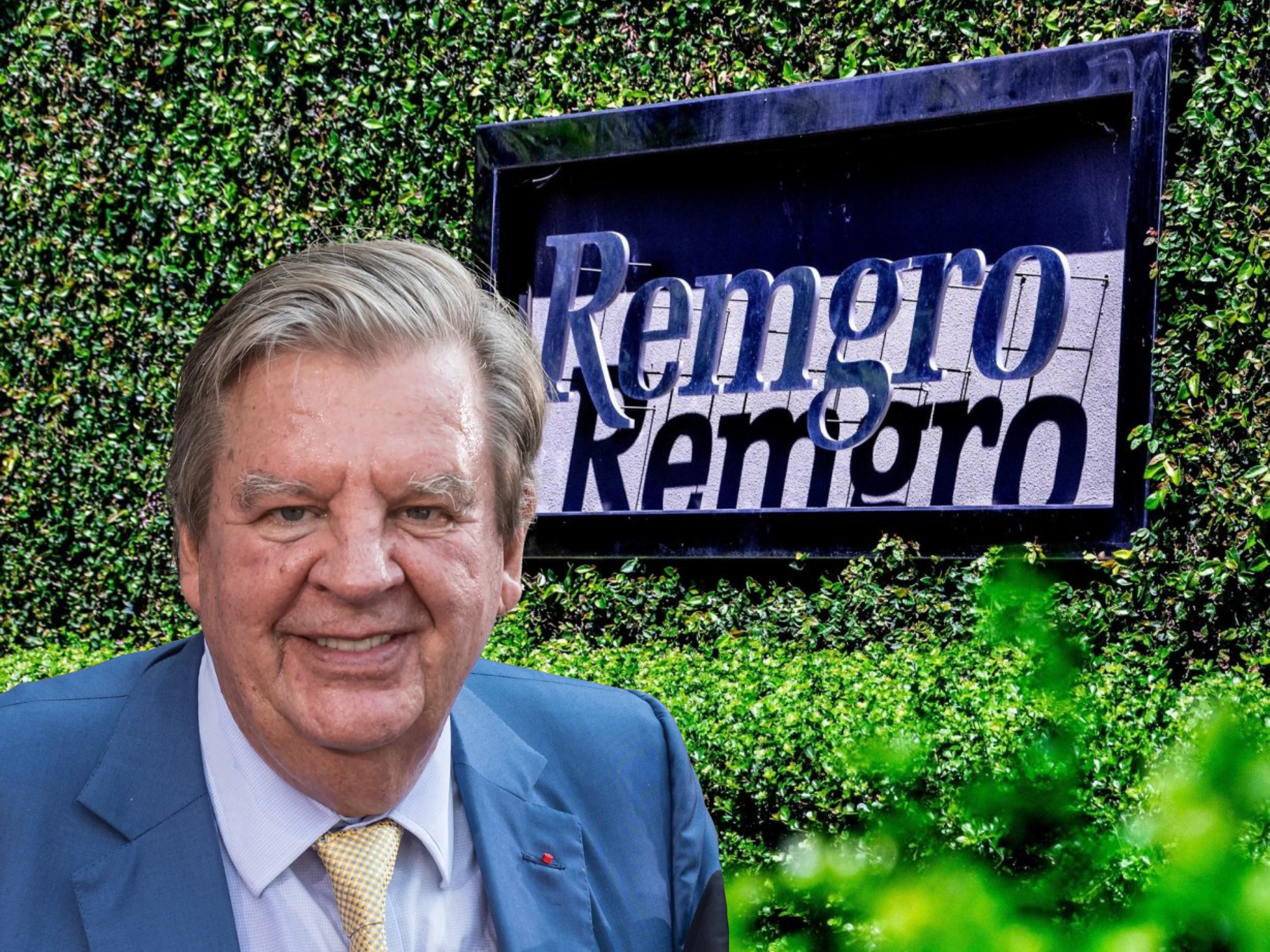
Investment Group belonging to Johann Rupert, Remgro, is positioning itself to play a significant role in South Africa’s emerging competitive electricity market through the Energy Exchange of Southern Africa (EXSA), a power-trading platform designed to connect private electricity producers directly with consumers.
The development comes as South Africa dismantles the structure that has allowed state-owned Eskom to dominate electricity generation and supply for more than a century.
EXSA, which holds an electricity trading licence issued by the National Energy Regulator of South Africa (NERSA) in 2022, is building a platform that could fundamentally change how electricity is bought, sold and priced in the country.
The company’s emergence reflects the broader transformation of South Africa’s electricity industry, where private renewable-energy producers, independent traders and large corporate consumers are increasingly taking on roles previously dominated by Eskom.
EXSA says South Africa is moving towards a fully liberalised electricity market in which power will increasingly be traded according to real-time supply and demand rather than being controlled by a single dominant utility.
Under the model envisioned by the company, the National Transmission Company South Africa would operate the national transmission network as an independent grid, while the South African Wholesale Electricity Market would serve as the platform through which electricity is traded.
Businesses and households would have greater freedom to select their electricity suppliers, while independent generators, licensed traders and consumers could participate directly in the market.
EXSA described the transformation as more than simply breaking up a monopoly, arguing that it would create a market where electricity prices are discovered transparently and power can be traded in real time.
How Remgro entered the power market
Remgro’s entry into electricity trading was partly built on experience gained outside South Africa.
Through its subsidiary, Ubiquity Energy, Remgro acquired a 51 per cent stake in Enerweb, a company involved in operating the platform supporting the Southern African Power Pool.
The Southern African Power Pool facilitates electricity trading among countries in the Southern African Development Community, giving Remgro exposure to the practical workings of a regional electricity exchange.
That experience became significant as South Africa began opening its own electricity market to greater private-sector participation.
EXSA was initially established to source privately generated renewable electricity for companies in which Remgro had investments. As demand for the service increased, the platform expanded its operations to external customers.
The company has subsequently secured multi-billion-rand agreements with major organisations including Mediclinic, Woolworths, Old Mutual, Siqalo Foods and Seriti Green.
A significant proportion of the electricity traded through EXSA comes from renewable energy projects.
The platform sources power from facilities including Earth and Wire’s solar plant at Malmesbury and Seriti Green’s Ummbila Emoyeni wind farm in Mpumalanga.
The latter project was opened by President Cyril Ramaphosa this week, highlighting the growing importance of private renewable generation in South Africa’s electricity supply.
The expansion of renewable generation is particularly important as companies seek more reliable and potentially cheaper alternatives to traditional electricity supplies.
The rise of private electricity trading has also attracted other major financial and corporate players. Investec and Discovery have established electricity trading platforms, while specialist companies such as Empower Trading and Envusa Energy are also participating in the growing market.
The transformation of South Africa’s electricity industry has been driven in part by the difficulties experienced by Eskom over the past decade.
Electricity prices increased significantly while the country endured prolonged periods of unreliable supply and rolling blackouts.
The combination of rising costs and supply uncertainty encouraged large industrial and commercial users to seek alternative sources of electricity.
Private renewable-energy producers increasingly emerged as an attractive option, particularly as advances in solar and wind technology helped improve the economics of independent power generation.
The result has been a gradual shift away from a system dominated by Eskom towards one in which private generators and electricity traders can compete for customers.
The electricity market has already begun changing through a system known as wheeling.
Under traditional one-to-one wheeling arrangements, a particular generator supplies electricity to a specific customer using the national transmission network.
EXSA is advocating for a more advanced system in which multiple generators can sell electricity to multiple customers.
Such a model would effectively transform the electricity grid into a marketplace where supply can be aggregated and matched with demand.
EXSA believes this could eventually allow a company operating multiple locations around South Africa to receive one consolidated energy bill, regardless of where the electricity supplying its facilities was generated.
One of the most significant changes envisioned by EXSA is the introduction of day-ahead and intraday electricity trading.
Such markets would allow electricity prices to respond more directly to fluctuations in supply and demand, similar to systems already operating in countries such as the United Kingdom and in Nordic electricity markets.
Businesses could potentially adjust their consumption based on price movements, while traders could aggregate electricity from multiple smaller generators and match their output with customers seeking power.
The company argues that competition could also encourage investment in battery storage.
Energy storage would allow renewable generators to store electricity when production is high and release it during periods of peak demand, potentially creating new commercial opportunities for investors and power traders.