

KEY POINTS
- ExxonMobil has awarded new engineering contracts for the Rovuma LNG project in Mozambique as it moves towards a 2026 final investment decision.
- The $20 billion project is designed to produce 18.6 million tonnes of LNG annually from 12 modular trains, with start-up targeted for 2031.
- Rovuma LNG could strengthen Mozambique’s position as a major global LNG exporter and boost foreign investment, government revenue and industrial development.
ExxonMobil is advancing preparations for the $20 billion Rovuma LNG project in Mozambique, awarding new engineering contracts as the massive gas development moves closer to a final investment decision (FID) expected in 2026.
The development represents a significant step for Mozambique’s ambition to turn its large offshore gas reserves into a major source of export revenue, industrial growth and energy investment.
ExxonMobil has awarded engineering contracts for the first phase of Rovuma LNG, allowing detailed project planning to move forward ahead of the expected 2026 FID.
McDermott has received a letter of intent from ExxonMobil, acting on behalf of the Area 4 partners, for limited engineering and procurement services.
McDermott will work alongside the SMDC joint venture, made up of Italy’s Saipem, South Korea’s Daewoo Engineering and Construction and China Petroleum Engineering and Construction Corporation.
The companies will work on advancing the project’s engineering definition and planning for the midstream development.
McDermott previously carried out front-end engineering design work for Rovuma LNG. Its latest involvement will allow engineering activities for the liquefaction facilities to progress as ExxonMobil and its partners prepare for a potential final investment decision.
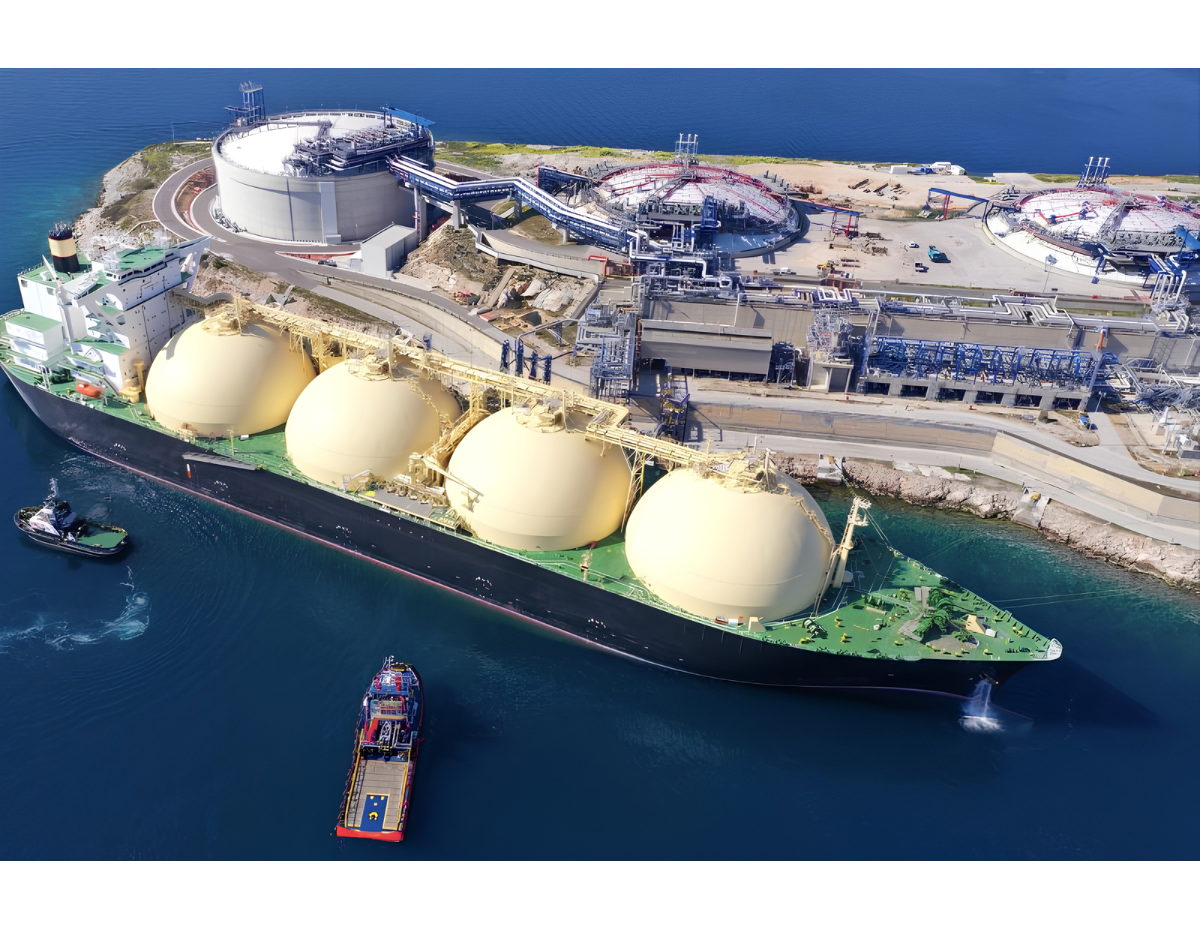
Rovuma LNG is planned as a major onshore liquefaction project with an annual production capacity of 18.6 million tonnes of liquefied natural gas.
The facility will comprise 12 modular LNG trains supplied with natural gas from Mozambique’s offshore Area 4 reserves.
If approved and developed as planned, the project is expected to begin production in 2031.
However, construction and the start-up schedule remain dependent on ExxonMobil and its partners reaching the expected FID in 2026.
The scale of the project makes it one of Mozambique’s most significant planned energy developments and a major potential contributor to the country’s future LNG exports.
Mozambique builds its LNG ambitions
Rovuma LNG would become Mozambique’s third major LNG development and the largest in terms of planned production capacity.
The country has already established an LNG presence through Eni’s Coral South floating LNG project, also located in Area 4, which is currently producing gas.
Meanwhile, TotalEnergies’ Mozambique LNG project in Area 1 remains under development after security concerns in Cabo Delgado forced the project to suspend operations in 2021.
The three projects are central to Mozambique’s strategy of monetising its offshore natural gas resources.
By developing its LNG industry, the country hopes to generate significant export earnings, attract foreign investment and use the gas sector to support broader economic and industrial development.
Despite the progress on Rovuma LNG, Mozambique’s LNG industry continues to operate against the backdrop of security challenges, particularly in Cabo Delgado.
The security situation previously disrupted TotalEnergies’ major LNG project and has remained an important consideration for companies and investors evaluating Mozambique’s energy sector.
The continued advancement of Rovuma LNG therefore signals that ExxonMobil and its partners remain committed to developing the project despite the complex operating environment.
The movement into further engineering work is an indication that preparations are continuing ahead of the crucial FID. If Rovuma LNG receives final approval and reaches production, it could significantly strengthen Mozambique’s position in the global LNG market.
An annual output of 18.6 million tonnes would place the project among the major LNG developments globally and could substantially increase Mozambique’s export capacity.
The project could also generate demand for construction, engineering, logistics, marine services and other supporting industries.
For Mozambique, increased LNG exports could provide foreign exchange earnings and government revenue while attracting additional international investment into the country’s energy infrastructure. The development of Rovuma LNG also has wider implications for Africa’s energy sector.
Mozambique possesses substantial offshore gas reserves, and successful development of those resources could position the country as an important LNG supplier to international markets.
The project could also demonstrate that large-scale energy investments remain possible in countries facing complex political, security and infrastructure challenges.
For international energy companies and infrastructure investors, the progress of Rovuma LNG provides another major opportunity to participate in Africa’s expanding gas and LNG industry.