KEY POINTS
- TCN raises Apapa capacity from 60 MVA to 180 MVA.
- Ijora substation capacity rises to 230 MVA.
- Projects aim to improve power supply across Lagos’ Apapa corridor.
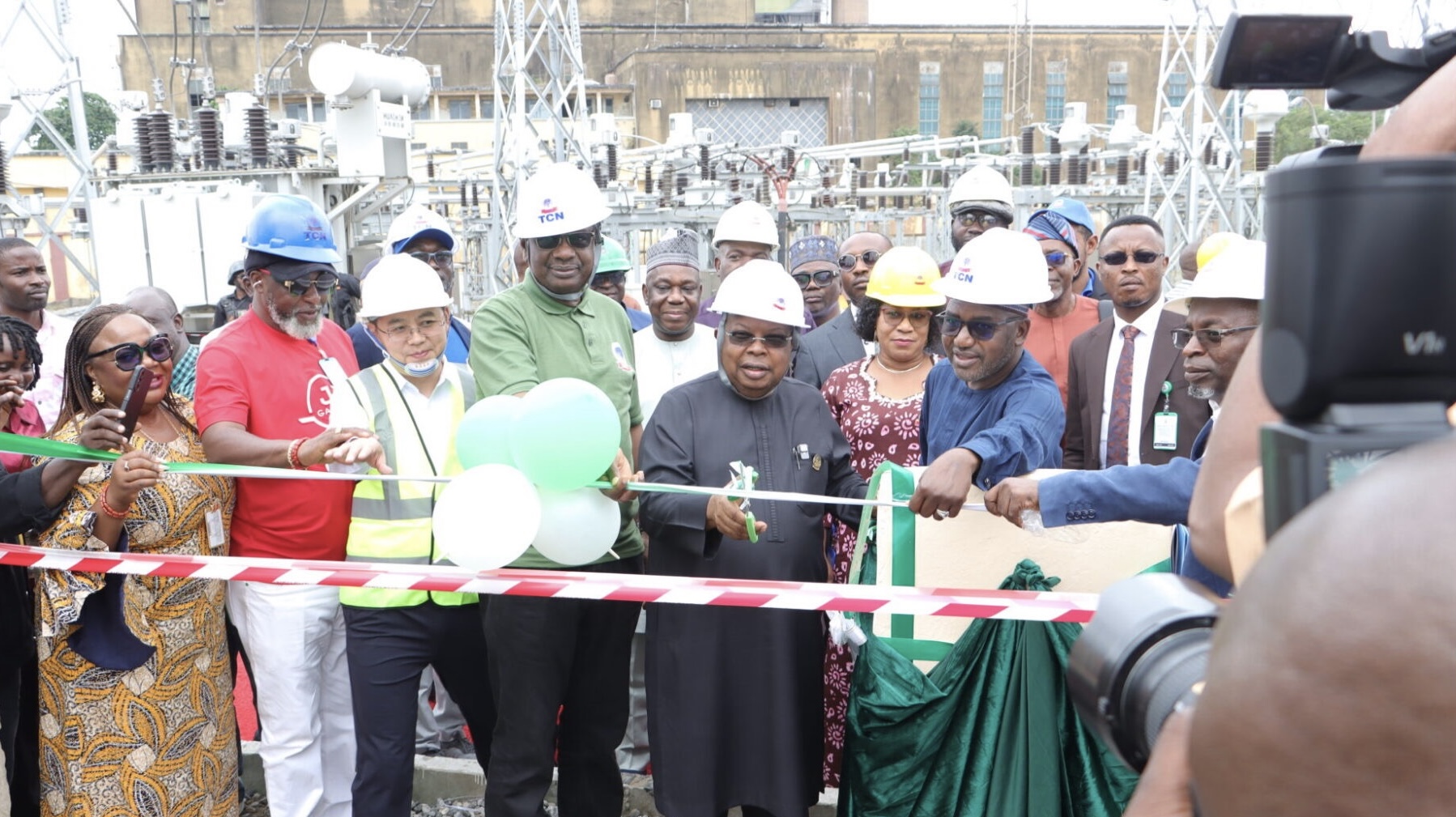
The Transmission Company of Nigeria,TCN, has commissioned two major transmission projects in Lagos, increasing bulk electricity capacity around the Apapa corridor and strengthening the network serving industrial, commercial and residential areas.
The projects involve the upgraded Apapa Road Transmission Substation and the Ijora Transmission Substation, with the combined upgrades expected to improve the volume and reliability of electricity available to the Eko Electricity Distribution Company (EKEDC).
TCN has commissioned two 60 MVA, 132/33kV gas-insulated substations at the upgraded Apapa Road Transmission Substation.
The development has increased the substation’s bulk transmission capacity from 60 MVA to 180 MVA, effectively tripling its capacity and allowing more electricity to be transmitted for distribution to customers within the Apapa corridor.
TCN said the additional capacity will support electricity supply to important locations including Apapa Causeway, Ijora, Amukoko, Ajegunle, Apapa Wharf and Tin Can Island.
These areas contain major industrial, commercial and port-related activities, making reliable electricity transmission particularly important to businesses operating within the corridor.
The upgraded facility is expected to give EKEDC greater capacity to take electricity from the transmission network and distribute it to customers across its franchise area.
Ijora substation receives two new transformers
TCN also commissioned two new 100 MVA, 132/33kV power transformers at the Ijora Transmission Substation. The installation has increased the substation’s total capacity to 230 MVA, equivalent to 184 MW.
The additional transformer capacity is expected to strengthen the transmission network around Ijora and improve the ability of the system to handle growing electricity demand in Lagos.
Together with the Apapa Road upgrade, the project provides additional infrastructure for moving bulk electricity from generating stations to distribution load centres.
TCN said the projects are designed to improve bulk power availability to EKEDC and, ultimately, enhance electricity supply to industrial, commercial and residential customers.
The Apapa corridor is particularly significant because it includes major business districts, industrial facilities, port operations and densely populated communities.
More available transmission capacity could help reduce constraints on electricity delivery and provide EKEDC with greater flexibility in supplying customers when sufficient generation is available.
However, the new infrastructure does not automatically guarantee uninterrupted electricity supply, as actual supply to consumers also depends on power generation, distribution infrastructure and other operational factors across the electricity value chain.
Speaking during the commissioning, TCN Managing Director and Chief Executive Officer, Engr. Sule Ahmed Abdulaziz, said the projects demonstrate continued investment in critical electricity infrastructure.
According to him, the upgrades are part of efforts to develop a transmission network capable of supporting Nigeria’s increasing electricity demand.
Abdulaziz stressed the importance of electricity to economic development, noting that reliable power is essential for industrial clusters, commercial centres, healthcare facilities, educational institutions and households.
He said TCN would continue to rehabilitate and expand substations and transmission lines to improve its ability to wheel bulk electricity from power generation plants to areas where it is required. The Apapa Road transmission project was sponsored and executed by the Japan International Cooperation Agency (JICA) in partnership with TCN.
The project includes two 60 MVA, 132/33kV gas-insulated substations that have already been connected to the transmission network.
The use of modern Gas Insulated Switchgear (GIS) is also expected to improve the efficiency, reliability and operational performance of the substation.
TCN has described the development as an important addition to Lagos’ electricity infrastructure, particularly given the strategic importance of the Apapa area.