KEY POINTS
- Dead sardines blocked part of Koeberg’s seawater cooling intake.
- Eskom halved output from one unit while the other remains under maintenance.
- South African authorities suspect pilchard herpesvirus may be behind the fish deaths.
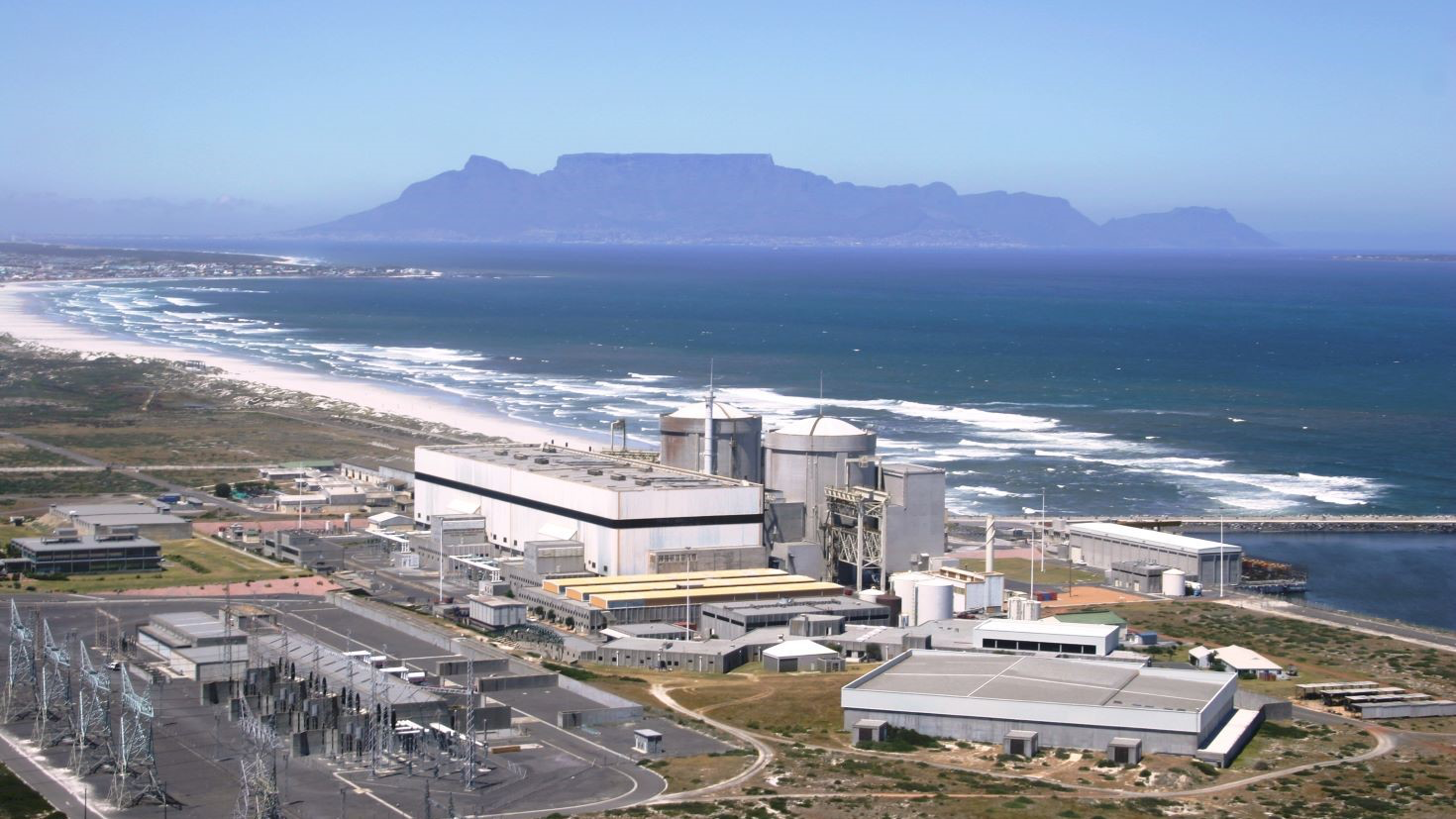
South Africa’s only nuclear power station, Koeberg Nuclear Power Station near Cape Town, has been forced to reduce electricity generation after a large buildup of dead sardines blocked part of its seawater cooling system.
The incident has affected one of the plant’s two generating units at a time when Eskom continues to rely on Koeberg as an important source of stable electricity for the national grid.
State-owned power utility Eskom said it reduced the output of one of Koeberg’s two units by half after a cooling pump automatically shut down.
The shutdown was triggered by a buildup of marine material, believed to be largely made up of dead sardines, around the seawater intake area used by the plant’s cooling system.
Koeberg has a total generation capacity of about 1,800 megawatts, with each of its two units capable of producing roughly 900MW.
The reduction means the plant is temporarily operating at significantly reduced capacity. The situation is particularly notable because the second reactor unit is already offline for scheduled maintenance.
Eskom said the reduction in generation was a controlled measure designed to protect the plant’s equipment and maintain safe operations.
The utility explained that the cooling pump automatically switched off after marine material accumulated in the seawater intake area.
Because nuclear power stations require large quantities of seawater for cooling, obstructions in the intake system can interfere with normal plant operations.
Eskom said it is working to remove the material from the intake area so that normal electricity generation can resume.