KEY POINTS
- Sinopec chairman Hou Qijun has restructured the refiner into four profit centres to counter falling fuel demand and petrochemicals overcapacity.
- First-half net profit rose 19 percent, but gasoline and diesel sales near 3.6 million barrels per day are now a liability as EVs spread.
- Sinopec plans to spend over 30 billion yuan a year on new energy and new materials through 2030, plus shale and 30-plus projects.
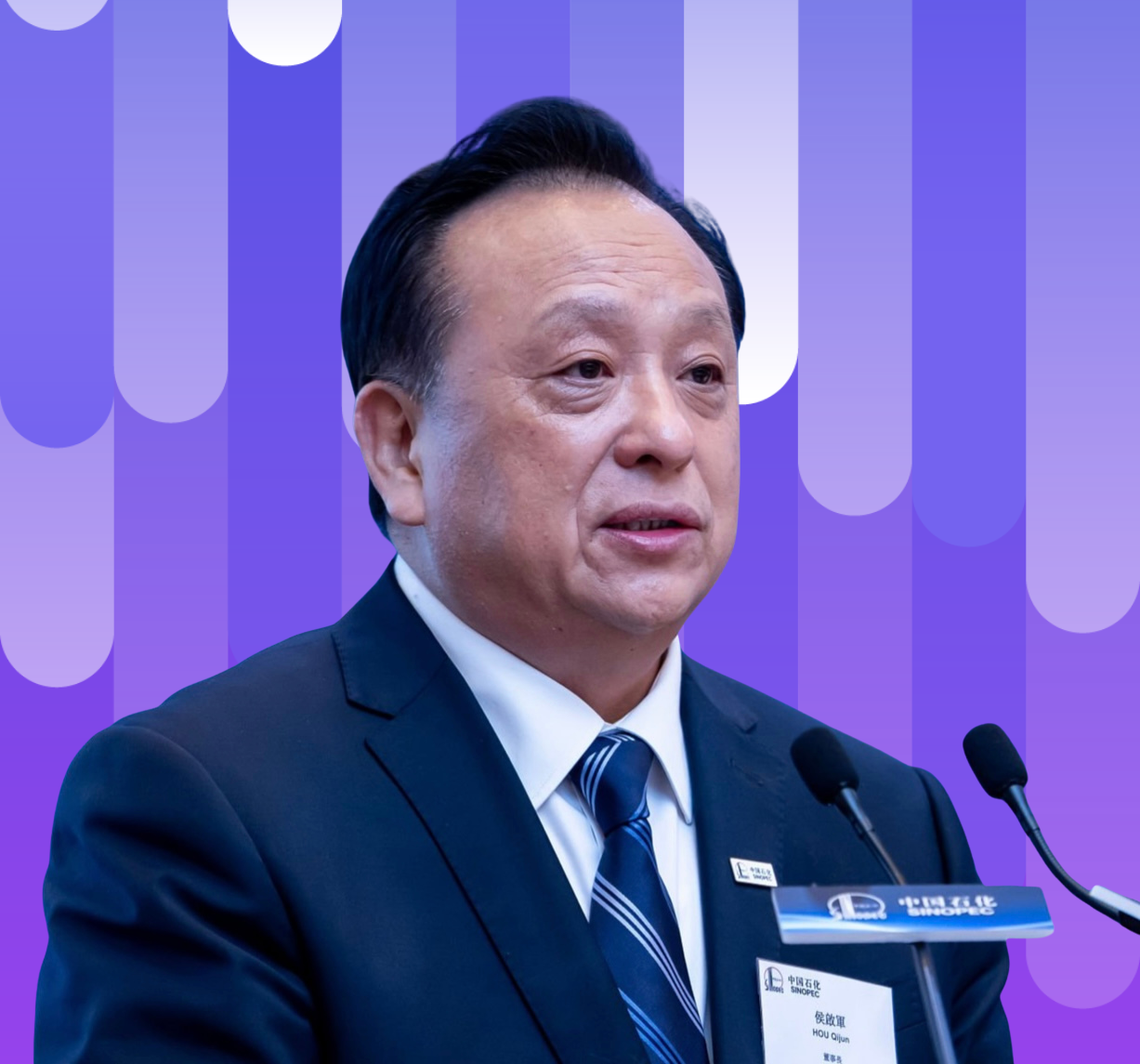
Sinopec chairman Hou Qijun has set out to transform the world’s largest oil refiner, moving decisively when he could instead coast toward retirement like many other Chinese state executives.
Appointed a year ago, Hou launched a broad overhaul that hands greater authority to four new profit centres: oil, gas and new energy, refining and chemicals, finance and strategic new business, and a trading and marketing arm. Moreover, he framed the shake-up bluntly, warning in a July government magazine that inertia, not technology or markets, poses the biggest hurdle.
Big company syndrome under fire
“As the company grows in scale, its ability to respond to market changes becomes inadequate, and the big company syndrome remains to be overcome,” Hou said in the publication by China’s state assets regulator. Consequently, he cast the reset as a survival mission rather than routine housekeeping.
The pressures are real. According to the regulator’s magazine, Sinopec’s fuel sales have slid to 2017 levels, and the company faces an uphill battle to hold domestic market share. Furthermore, one institutional investor said Hou, at 60, wants to salvage a firm fighting for survival in a tight spot, even though most state executives retire at 63.
Betting on chemicals and new energy
Therefore, Hou is steering capital away from transport fuels. On Sunday, Sinopec reported a 19 percent rise in first-half net profit despite the Iran war and government curbs on passing higher oil prices to consumers. Still, gasoline and diesel sales of about 3.6 million barrels per day have become a liability as electric vehicles spread.
“Half of new cars no longer need fuel,” Hou said at a Hong Kong briefing on Monday, arguing the company must produce more chemical materials instead. Additionally, he pledged to spend more than 30 billion yuan, about 4.46 billion dollars, a year on new energy and new materials through 2030.
However, the pivot invites fierce competition. Rivals such as Wanhua Chemical and Satellite Chemical already crowd the petrochemicals market, while ethylene overcapacity squeezes margins. Meanwhile, Hou is pushing shale development at the Shengli oilfield and targeting more than 30 projects by 2030, from sustainable aviation fuel to lower refining costs. Ultimately, analysts say the harder question is how Sinopec will compete with nimble non-state players in new energy.