

KEY POINTS
- FG introduces a 30-day petrol discount through NNPC.
- Public transport operators will receive priority.
- Government proposes a ₦1,350-per-litre cost ceiling.
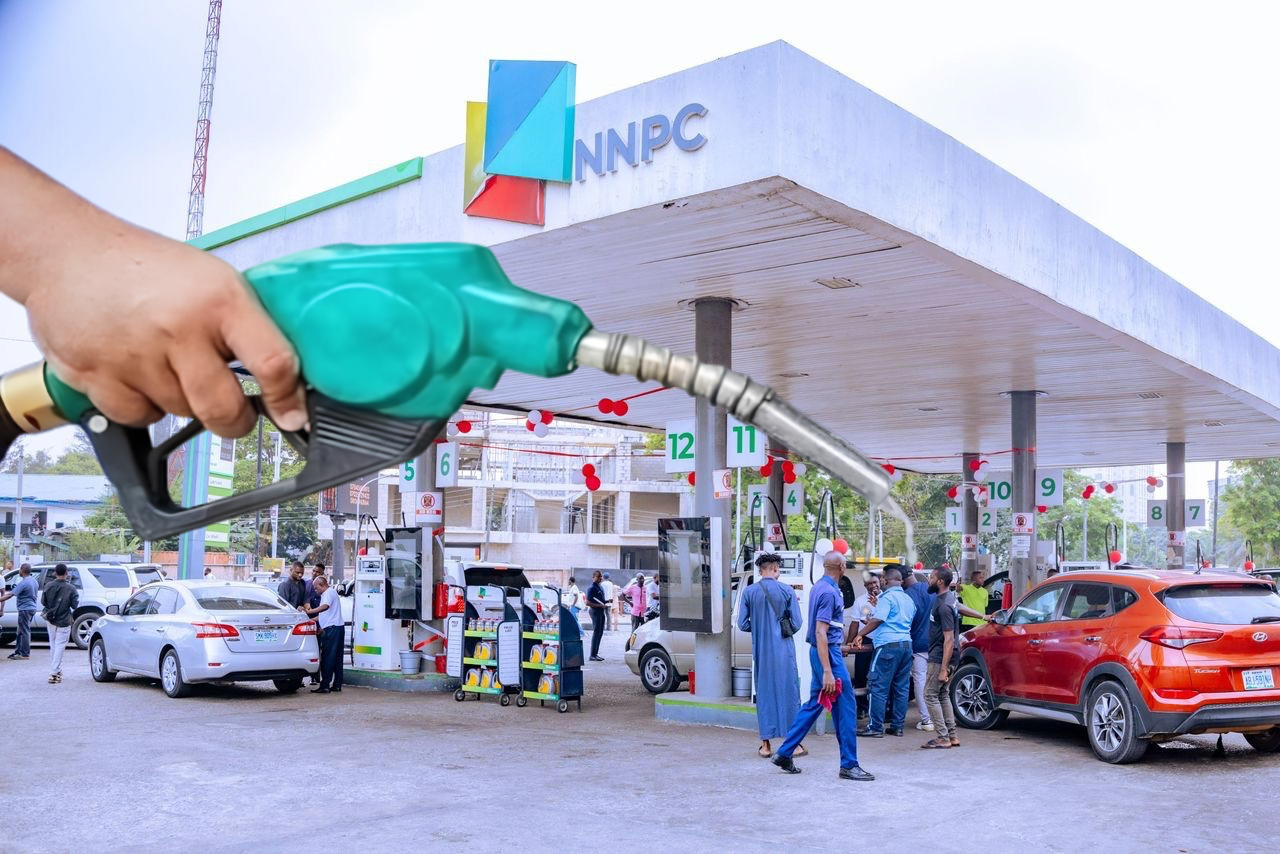
The Federal Government has introduced a 30-day petrol discount through the Nigerian National Petroleum Company Limited, NNPC, with public transport operators set to receive priority as authorities seek to reduce the impact of rising fuel prices on Nigerians.
The Minister of Finance and Coordinating Minister of the Economy, Taiwo Oyedele, announced the measure on Thursday during a press briefing in Abuja on petrol prices and government interventions.
The initiative is intended to provide temporary relief to commuters and other Nigerians affected by high transportation costs without bringing back the former blanket petrol subsidy regime. Oyedele said the government would introduce the discount on petrol sold at NNPC retail stations for an initial period of 30 days. Public transport operators across the country would receive priority under the arrangement.
According to the minister, the initiative would operate as a margin discount rather than a government-funded subsidy that covers the difference between the cost of petrol and the price paid by consumers.
He explained that the government was effectively asking NNPC to sell petrol at cost during the intervention period to ease the pressure on consumers.
The arrangement is expected to help transport operators manage fuel expenses, potentially reducing the pressure to increase fares. However, the extent to which passengers will benefit will depend on how the discount is implemented and whether operators pass on the savings to commuters.
The government has not indicated that the intervention will permanently reduce petrol prices across the country, as the discount is initially limited to 30 days.
The petrol discount forms part of a broader government effort to manage rising fuel prices and limit sharp increases in the cost of petrol.
Oyedele said the Federal Government was negotiating a ceiling of ₦1,350 per litre on the ex-gantry or landing cost of petrol. The measure is intended to reduce the impact of fluctuations in international crude oil prices and foreign exchange rates on the domestic market.
Under the proposed arrangement, refiners and importers would absorb the difference when their costs rise above the agreed ceiling. They would then recover the shortfall when crude oil prices or exchange rates become more favourable.
The government intends to review the ceiling monthly and publish the figures to improve transparency.
If implemented as planned, the arrangement could help reduce sudden increases in the cost of petrol supplied to the market. However, its effectiveness will depend on the final terms agreed with refiners and importers and how changes in their operating costs are managed.
Government expands measures to ease fuel costs
Beyond the temporary petrol discount, the Federal Government is pursuing other interventions aimed at protecting households and businesses from the effects of higher fuel prices.
These include increased cash transfers to vulnerable households, subsidised credit for small businesses and consumers, and an accelerated rollout of compressed natural gas vehicles.
The measures are intended to provide assistance to Nigerians facing rising living costs while encouraging alternatives that could reduce dependence on petrol.
The government has also granted a full waiver of taxes and duties on petrol. Oyedele said the value of the waiver exceeded ₦3.3 trillion for the period up to September 30, 2026.
The tax relief is another attempt to reduce costs within the fuel supply chain, although its direct impact on retail prices will depend on how much of the savings is passed on to consumers.
Oyedele stressed that the latest interventions should not be interpreted as a return to the nationwide petrol subsidy that the government discontinued.
He said the administration was seeking targeted ways to cushion the effects of high fuel prices without creating additional long-term pressure on public finances and the wider economy.
According to the minister, the government wants its interventions to reach people who need assistance while avoiding the financial risks associated with a blanket subsidy.
The distinction is significant because a general fuel subsidy would require the government to cover a portion of the cost of petrol for consumers, potentially creating substantial spending obligations.
Under the current approach, the government is pursuing temporary discounts, cost-management measures and targeted financial support instead.
Despite the planned intervention, petrol prices at NNPC stations continue to vary across the country.
The latest prices reported by PUNCH put petrol at ₦1,355 per litre in Lagos and Rivers states, while the price in Abuja stood at ₦1,370 per litre.
These differences mean the actual relief available to motorists and transport operators could vary by location.
The key questions will be how the 30-day discount affects pump prices, how quickly the arrangement takes effect and whether transport operators reduce fares in response to lower fuel costs.
For commuters and households already struggling with high transportation expenses, the impact of the initiative will ultimately depend on how much of the savings reaches them.