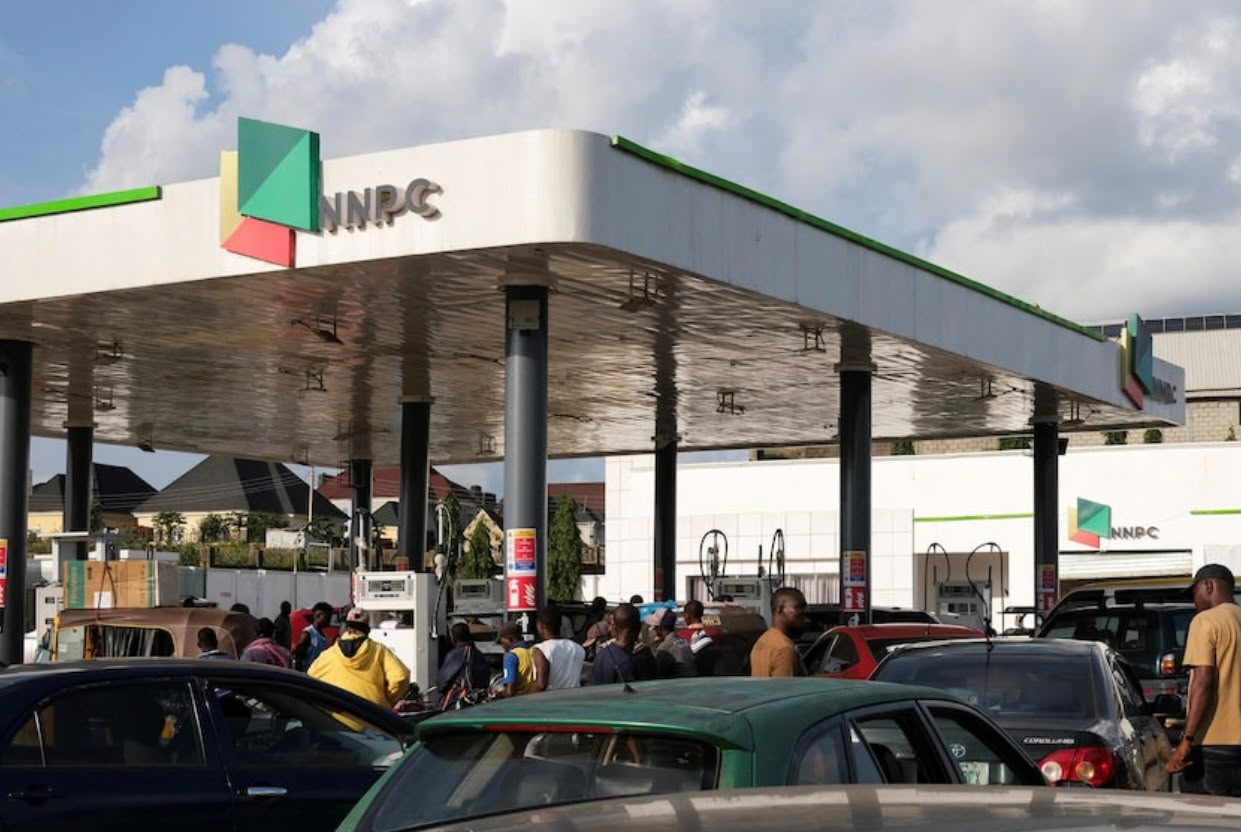
The Natural Resource Governance Institute is urging Nigeria’s state oil company to reassess its oil investment strategy, warning that billions of dollars in planned spending could fail to earn a return if the global shift away from fossil fuels speeds up.
The warning lands as NNPC Ltd. pushes an ambitious expansion. The company has said it wants to attract up to $60 billion in investment by 2030 and raise crude output to 2 million barrels a day by 2027 and 3 million by 2030. It has said production recently reached about 1.7 million barrels a day.
Risks facing the NNPC oil investment strategy
NRGI’s analysis suggests that much of that spending is exposed. In a moderate energy transition scenario, about 38% of NNPC’s investment pipeline would fail to break even, and roughly 80% of Nigeria’s current oil and gas revenue would be at risk. In a fast transition, only one project, the Amenam Kpono field in the Niger Delta, is projected to break even.
The institute raised similar concerns in 2021, when its Risky Bet report estimated that about half of NNPC’s planned investments could turn into losses if the energy transition moved rapidly. It also found NNPC’s production costs were high even compared with international oil companies.
NRGI’s company profile notes a long decline in NNPC’s own production since 2005, and says Rystad Energy expects it to continue even at high prices.
What the institute wants
The institute has argued that national oil companies should publicly acknowledge energy transition risk, assess it and act on it with mitigation plans. In an earlier review, only 9 of 21 national oil companies acknowledged the risk, and none had published plans to protect workers and communities.
Its newer report, National Oil Company Transformation: Strategic Choices for an Uncertain Energy Future, offers a five step framework that governments and company leaders can use to manage risk while seizing opportunities. NRGI treats the issue mainly as a public finance question, because investment choices shape national cash flows, debt sustainability and long term fiscal space.
It has also suggested that money tied up in the costliest oil projects might do more good in health, education or efforts to diversify the economy.
NNPC’s case for pressing on
NNPC and the government see the matter differently. Oil still provides most of Nigeria’s government revenue, and years of persistent weak investment have left discoveries undeveloped. The company says new money is needed to reverse that, and it plans to reduce its equity in select fields by at least 25% to raise capital.
Gas is part of that case. NNPC’s 2030 outlook includes a target of 12 billion standard cubic feet a day of gas output, a goal tied to industrial growth.
The disagreement is less about whether Nigeria should produce oil than about which barrels deserve public money. NRGI’s message is that projects should be tested against a faster energy transition before cash is committed. A country that still depends on oil for most of its revenue cannot afford to get that wrong.