

KEY POINTS
- Power and cooling suppliers like HD Hyundai Electric, Jinpan and Delta are booming as data centre demand outstrips grid and transformer supply.
- McKinsey forecasts nearly 7 trillion dollars in global data-centre investment by 2030, while liquid cooling is set to reach 70 percent of new AI installations.
- Supplier stock gains have cooled on valuation, competition and component-shortage worries, with executives warning of flat margins and possible delays.
Power and cooling equipment suppliers are cashing in on a global data centre building spree, a quieter set of winners riding the same AI boom that made Nvidia a household name.
Energy-hungry data centres have triggered surging demand for gear from transformers to advanced cooling, creating winners across Asia’s supply chain, even as earlier stock gains cool. Moreover, the stakes are vast, since McKinsey forecasts nearly 7 trillion dollars in global data-centre investment by 2030, and Nvidia expects AI spending to stay strong for years.
Transformers become the bottleneck
However, building fast enough is getting harder. According to consultancy Pivotale AI, hyperscalers often want facilities within six months, yet grid-connection delays can stretch to 24 months in some emerging markets and beyond eight years in major developed ones. Consequently, lead times for generators and transformers now dominate industry conversations.
Leading suppliers are reaping the demand. Specifically, South Korea’s HD Hyundai Electric and China’s Hainan Jinpan reported surging first-half orders tied to AI projects, especially in North America. Furthermore, HD Hyundai Electric’s backlog rose 23 percent to 8.5 billion dollars by the end of June, and it said it has secured capacity into 2030.
The cooling race heats up
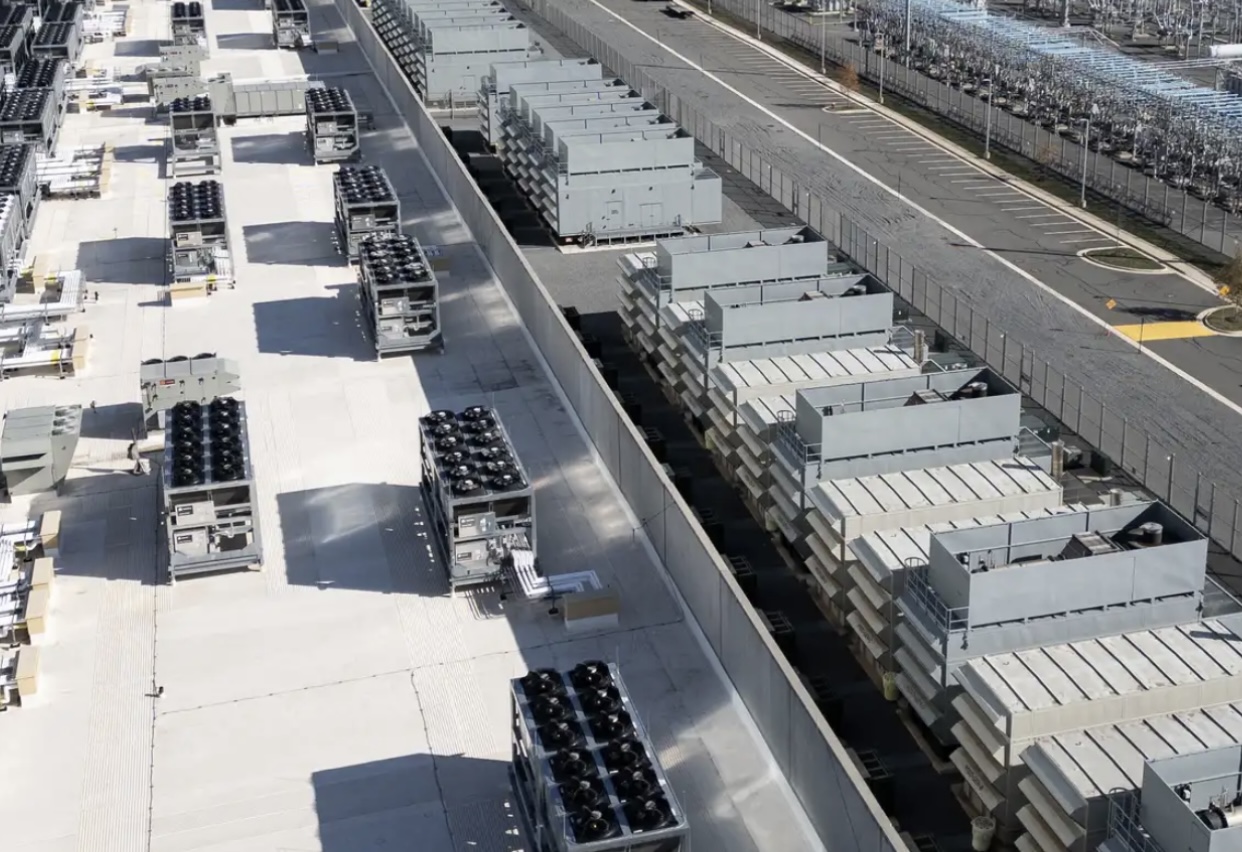
Meanwhile, cooling is emerging as the next battleground as AI chips run hotter. According to Bank of America, liquid cooling should reach 70 percent of new AI installations by 2030, up from about 30 percent today, and McKinsey says it can cut energy use by more than 27 percent. Additionally, developers are testing floating, underwater and cave-based facilities, widening the field of suppliers.
Still, investors have grown cautious. Delta Electronics has climbed more than 90 percent this year, yet Jinpan and Envicool have fallen despite huge 2025 gains, as competition and component shortages threaten margins. Nevertheless, executives stayed measured. Delta chairman Ping Cheng warned that gross margins may hold flat and that deployment delays could worsen late this year. Ultimately, as Bank of America’s Matty Zhao put it, not everyone can win, so investors must back the leaders who actually land the customers.