KEY POINTS
- Senegal and Eni will assess five offshore blocks.
- Eni will fund the initial technical studies.
- Dakar plans to offer 109 oil and gas blocks.
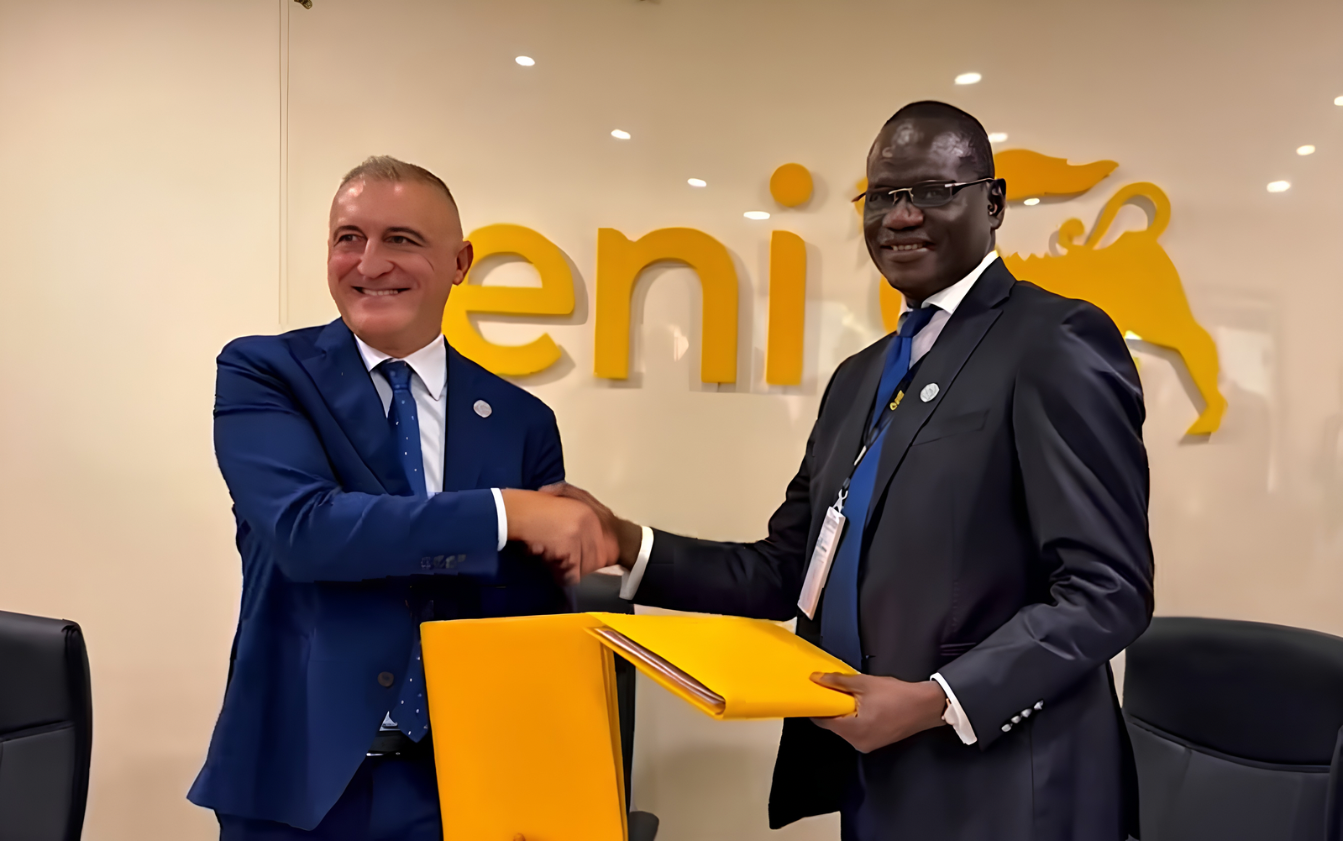
Senegal has signed a memorandum of understanding with Italian energy company Eni to assess the potential of five offshore oil and gas blocks as the country seeks to attract fresh investment into its petroleum sector.
The agreement, announced by Senegal’s energy minister El Hadji Abdourahmane Diouf on September 15, is part of the government’s broader plan to restart exploration activity and promote the country’s sedimentary basin to international investors.
The preliminary assessment will focus on blocks SN01M, SN02M, SN03M, SN07M and SN40M. The work is expected to provide more information about the geological and geophysical characteristics of the areas before any potential development decisions are made.
Under the agreement, Eni will carry out the initial technical studies and analyses at its own expense.
The studies are expected to improve understanding of the five offshore areas and help determine their potential for future oil and gas exploration. Such assessments typically examine geological structures, seismic data and other technical information that can help companies evaluate the possibility of commercially viable hydrocarbon resources.
The agreement does not itself represent a final investment decision or confirm the discovery of oil or gas in the five blocks. Instead, it establishes a framework for further technical evaluation.
The involvement of a major international energy company could nevertheless provide additional technical expertise and potentially support Senegal’s efforts to deepen exploration of its offshore resources.
Petrosen to play key role
Senegal’s national oil company, Petrosen, will have a central role in the development of the country’s sedimentary basin under the government’s plans.
The partnership with Eni comes as Dakar seeks to increase activity across its upstream oil and gas sector and make more of its offshore acreage available to investors.
The government has been working to position Senegal as an increasingly important destination for energy investment in West Africa, particularly following the emergence of major offshore oil and gas projects in recent years.
The agreement with Eni is also part of a much broader effort to open Senegal’s petroleum sector to local and international investors.
Diouf said last week that the government was preparing to offer 109 oil and gas blocks to investors. The planned offering would significantly expand the amount of acreage available for exploration and could attract additional international energy companies and independent explorers.
The government’s strategy is aimed at increasing exploration, strengthening knowledge of Senegal’s sedimentary basin and creating opportunities for future oil and gas development.
For Eni, the latest agreement provides an opportunity to examine additional offshore acreage in a country that has become increasingly significant on the West African energy map.
The outcome of the technical studies on the five blocks will determine whether they contain prospects that could justify further exploration and possible development.