KEY POINTS
- The US Department of Energy selected 21 projects for up to $99 million to advance geothermal energy, split between five EGS field tests and 16 exploration-drilling efforts.
- Recipients include Fervo Energy, picked for two projects in Idaho and Nevada, alongside Quaise Energy, Zanskar Geothermal, XGS Energy and Invenergy.
- Geothermal is among the fastest-growing US power sources, with developers adapting oil-and-gas drilling to tap underground heat for around-the-clock electricity.
The US Department of Energy said on Monday it has selected 21 projects for up to $99 million in funding to accelerate geothermal energy, an around-the-clock power source that is drawing growing interest from investors and energy companies.
The money will back field-scale tests of next-generation geothermal technologies and exploration drilling aimed at pinpointing promising resources across the country. Specifically, five projects will test enhanced geothermal systems, known as EGS, while 16 will focus on exploration drilling. Moreover, the department plans to publish the resulting data through its Geothermal Data Repository to guide future development.
Who gets the funding
The award spreads across a mix of specialist developers. Notably, Fervo Energy secured two projects, including an EGS demonstration in Idaho and exploration drilling in Nevada. Additionally, Quaise Energy, Zanskar Geothermal, XGS Energy and Invenergy all made the list.
The department framed the effort as part of a broader push on domestic energy. According to Under Secretary of Energy Kyle Haustveit, the projects will “empower American innovators to unlock the tremendous geothermal resources beneath our feet.” Furthermore, he said the work advances technologies that “can lower costs, strengthen American energy dominance, and turn more of our vast domestic geothermal resources into reliable and affordable power.”
A fast-growing power source
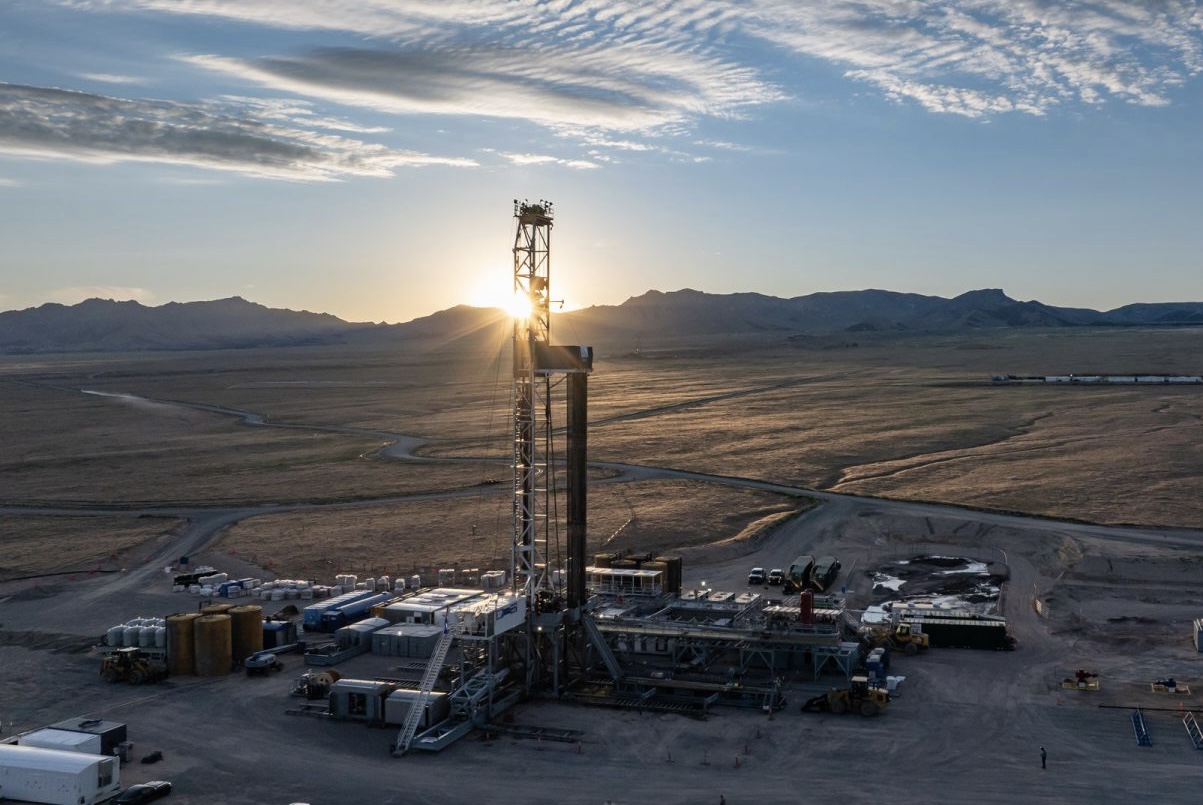
Geothermal has become one of the fastest-growing corners of the US power sector. Increasingly, developers are adapting drilling techniques honed in oil and gas to tap underground heat and convert it into electricity. Consequently, a technology once confined to a handful of naturally active sites now looks far more widely deployable.
The timing matters for a grid straining under rising demand. Meanwhile, power-hungry data centers and electrification are pushing utilities to seek steady, low-carbon supply. Ultimately, geothermal offers baseload output that wind and solar cannot match on their own, and Monday’s funding signals Washington wants to speed that potential toward commercial scale.